










Sail Through Time: Discover the Timeless Wonders of Upper Egypt Aboard Kenzy Dahabeya
Experience the magic of the Nile aboard Kenzy Dahabeya, a luxury boutique sailing cruise that offers an unforgettable journey between...
Read moreDetails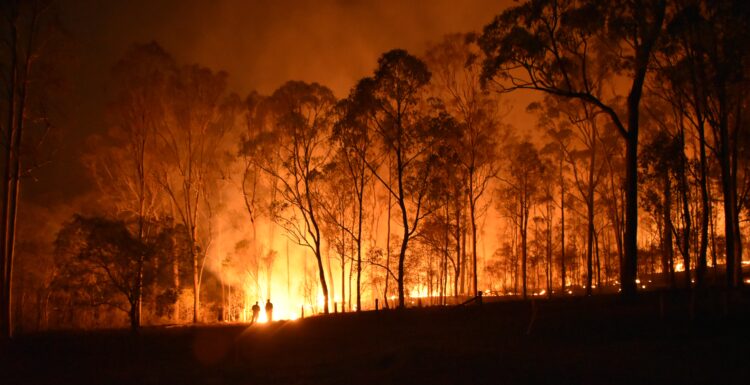
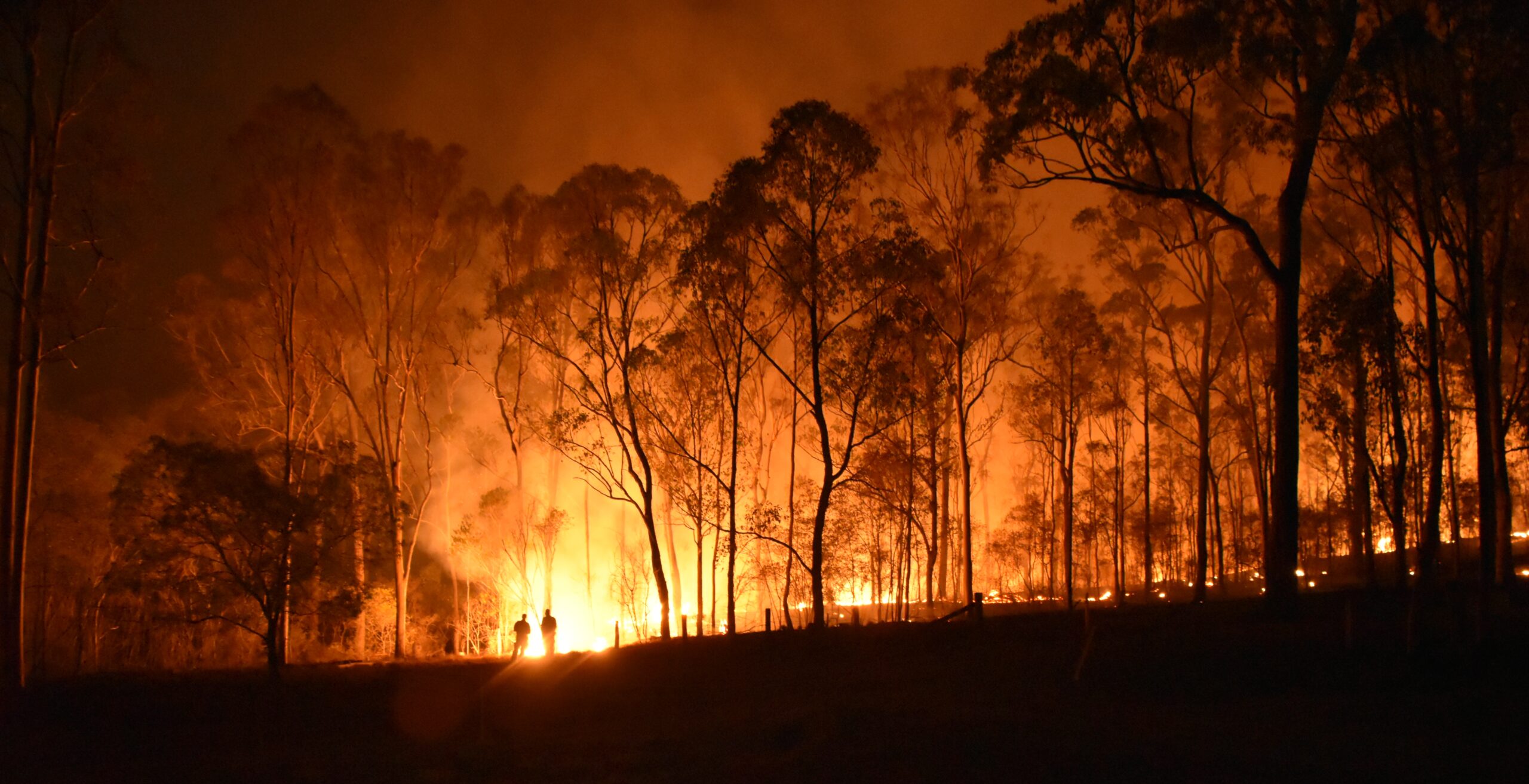
IAG Renews Aboriginal Partnership to Boost Fire Resilience
Comprehensive Summarization:
The article discusses the importance of understanding Aboriginal land management practices to enhance community safety, unity, prosperity, and wellbeing for First Nations peoples. It highlights the growing threat to both natural and built environments due to severe weather changes, which are accelerating beyond the predictions of current climate models. The Severe Weather in a Changing Climate Report by IAG underscores the urgent need for adaptive strategies to mitigate these risks. The article also touches on the broader travel industry trends and insights, emphasizing the role of technology, startups, and fintech in shaping the future of travel.
Key Points:
Actionable Takeaways:
Invest in Climate Resilient Infrastructure: Given the accelerated pace of severe weather events, travel companies should prioritize investments in climate-resilient infrastructure to protect both natural and built environments. This is crucial for ensuring community safety and minimizing disruptions to travel operations.
Leverage Technology and Innovation: The travel industry must embrace technological advancements and innovations, particularly in fintech and startup solutions, to enhance operational efficiency, improve customer experiences, and develop adaptive strategies for climate-related challenges. Startups offering solutions in sustainable travel and climate risk management are likely to gain significant traction.
Foster Community Unity and Prosperity: By deepening the understanding of Aboriginal land management practices, travel companies can contribute to creating safer communities and fostering unity and prosperity among First Nations peoples. This not only aligns with ethical business practices but also opens up new market opportunities and enhances brand reputation.
Contextual Insights:
The article’s focus on Aboriginal land management practices and the growing threat of severe weather events highlights the intersection of cultural heritage, climate change, and travel industry resilience. As climate models predict more frequent and severe weather events, the travel industry must adapt by investing in resilient infrastructure and leveraging technology to mitigate risks. The insights from IAG’s report underscore the importance of proactive measures to safeguard both the environment and the communities that rely on travel for their livelihoods. Furthermore, the emphasis on community unity and prosperity reflects a growing trend towards socially responsible business practices within the travel sector, where companies are increasingly recognizing the value of supporting local cultures and economies.
Handling Different Article Types:
The article can be categorized as a Feature Article, as it provides an in-depth exploration of the intersection between Aboriginal land management practices, climate change, and the travel industry. The content is rich in factual information, offering a comprehensive view of the challenges and opportunities facing the industry in the face of environmental changes. The analysis of key points and actionable takeaways aligns with the structure typically found in feature articles, which aim to inform and inspire action based on current industry trends and expert insights.
Read the Complete Article.
Experience the magic of the Nile aboard Kenzy Dahabeya, a luxury boutique sailing cruise that offers an unforgettable journey between...
Read moreDetails



