





Sail Through Time: Discover the Timeless Wonders of Upper Egypt Aboard Kenzy Dahabeya
Experience the magic of the Nile aboard Kenzy Dahabeya, a luxury boutique sailing cruise that offers an unforgettable journey between...
Read moreDetails
Comprehensive Summarization:
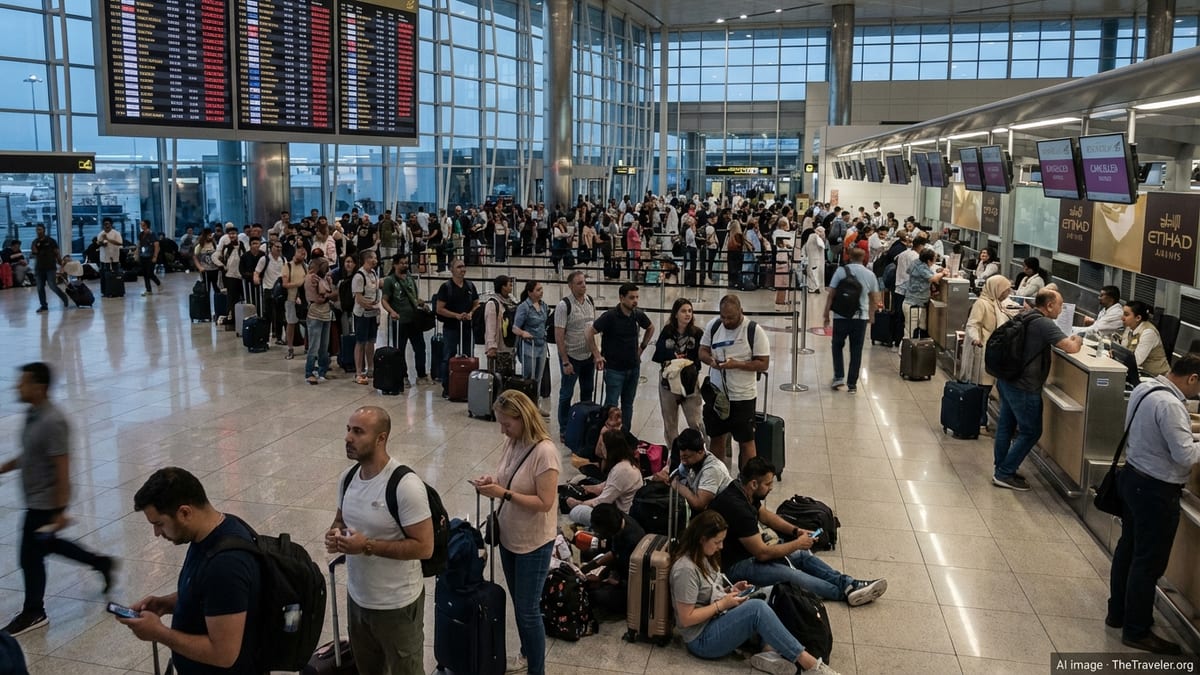
International Airlines Group (IAG) has issued a warning to travelers regarding potential increases in ticket prices due to the ongoing conflict in Iran, which is driving up oil costs. The Strait of Hormuz, a critical shipping route, has been disrupted, leading to higher jet fuel prices. While IAG’s parent company, International Airlines Group (IAG), attempts to stabilize costs through hedging strategies, it acknowledges the limitations of these measures in the face of prolonged geopolitical tensions. This article provides a snapshot of the current travel industry challenges, highlighting the impact of geopolitical events on operational costs and pricing strategies.
Key Points:
Actionable Takeaways:
Cost Management Strategies: Airlines must continue to innovate in cost management, exploring alternative hedging strategies or cost-saving measures to mitigate the impact of rising oil prices on ticket pricing. This is crucial for maintaining competitive pricing and ensuring profitability in a volatile market.
Diversification of Supply Chains: Airlines should consider diversifying their supply chains and sourcing options to reduce dependency on volatile regions like the Strait of Hormuz. This could involve investing in alternative routes or partnering with airlines that have more stable operational environments.
Transparent Communication with Customers: Airlines should communicate openly with customers about the factors influencing ticket prices, such as geopolitical tensions and fuel costs. Transparency can help manage customer expectations and potentially mitigate dissatisfaction arising from price increases.
Contextual Insights:
The article reflects the current state of the travel industry, where geopolitical events can have immediate and significant financial implications. The ongoing conflict in Iran serves as a stark reminder of the interconnectedness of global markets and the travel sector. As geopolitical tensions persist, airlines are likely to face ongoing challenges in maintaining stable pricing structures. This situation also highlights the importance of technological advancements in travel tech, such as dynamic pricing algorithms and predictive analytics, which can help airlines better forecast and respond to market fluctuations. Furthermore, the article underscores the need for startups and fintech innovations in the travel sector to develop more resilient financial models that can withstand external shocks. By leveraging these technologies, the travel industry can enhance its agility and adaptability in the face of uncertainty.
Read the Complete Article.
Experience the magic of the Nile aboard Kenzy Dahabeya, a luxury boutique sailing cruise that offers an unforgettable journey between...
Read moreDetails



