













Comprehensive Summarization:
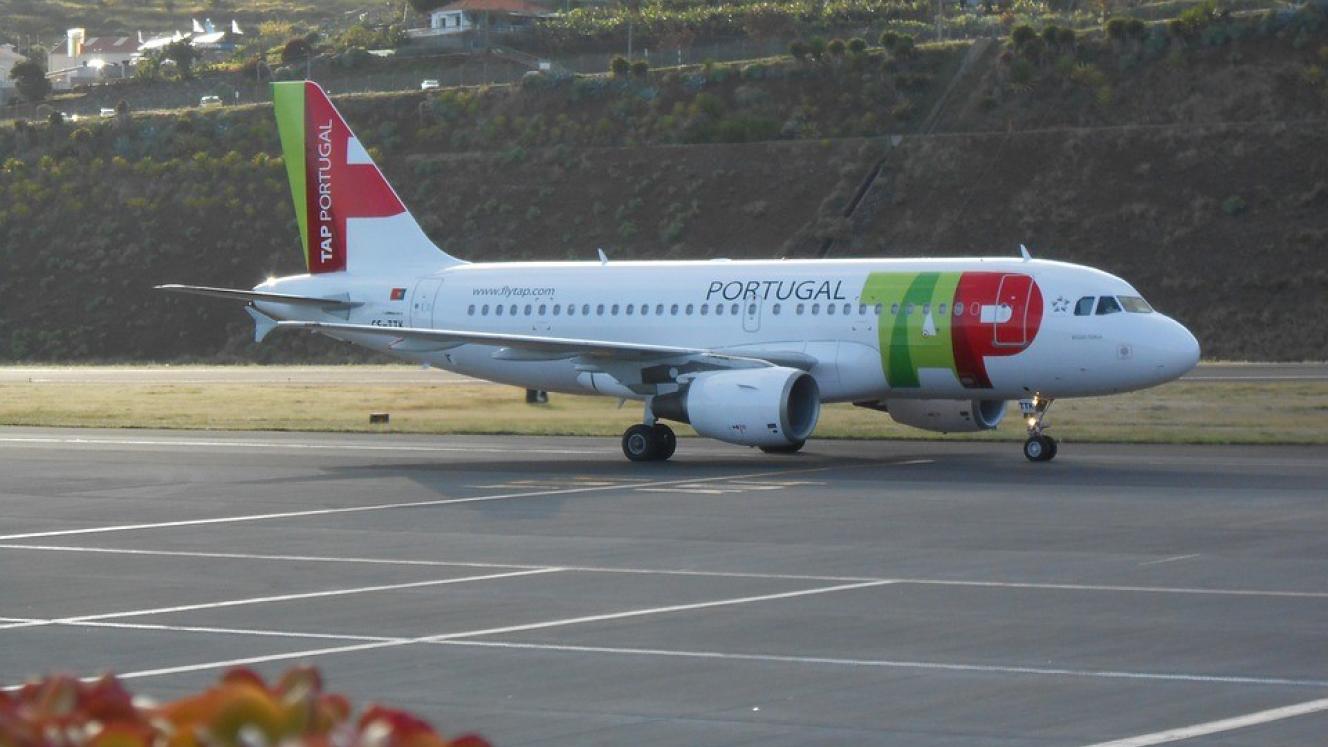
International Airlines Group (IAG), the parent company of British Airways and Iberia, is pursuing full ownership of TAP Air Portugal. The company argues that acquiring a minority stake could be problematic. Last year, Portugal’s government initiated the privatization process of TAP Air Portugal, opening 44.9% of the company’s capital to potential investors and 5% to employees. Several entities, including Lufthansa Group, IAG, and Air France-KLM, have shown interest in bidding for the stake. This development is situated within the broader context of travel industry trends and innovations, as highlighted by recent insights from thought leaders in travel tech, startups, and fintech.
Key Points:
- IAG is seeking full ownership of TAP Air Portugal, citing potential issues with a minority stake.
- Portugal’s government has relaunched the privatization process of TAP Air Portugal, allowing 44.9% of the company’s capital to be sold to investors and 5% to employees.
- Multiple entities, including Lufthansa Group, IAG, and Air France-KLM, have expressed interest in bidding for the stake.
- The article is situated within the context of current travel industry trends and innovations, as discussed by travel industry thought leaders.
Actionable Takeaways:
-
Potential for Increased Market Consolidation: The pursuit of full ownership by IAG of TAP Air Portugal could lead to increased market consolidation in the European airline sector. This consolidation may result in more efficient operations, economies of scale, and potentially lower fares for consumers. However, it could also reduce competition and potentially lead to higher prices or reduced service quality if not managed carefully.
-
Opportunities for Strategic Partnerships: The interest shown by entities like Lufthansa Group and Air France-KLM in bidding for TAP Air Portugal presents opportunities for strategic partnerships. These partnerships could facilitate knowledge sharing, technology transfer, and joint ventures that benefit all parties involved. For startups and fintech companies, this could mean new avenues for collaboration, such as integrating innovative payment solutions or leveraging data analytics for improved customer service.
-
Influence on Travel Tech and Innovation: The privatization process and subsequent bidding process highlight the importance of technology and innovation in the travel industry. As airlines seek to enhance their competitive edge, investments in travel tech, such as AI-driven customer service, advanced booking systems, and sustainable aviation solutions, are likely to gain momentum. Startups and established companies in the fintech sector may find opportunities to develop solutions that address the evolving needs of airlines and their customers, such as digital payment systems or carbon offsetting technologies.
Contextual Insights:
The article reflects the ongoing evolution of the travel industry, marked by significant privatization efforts and strategic corporate maneuvers. The relaunch of TAP Air Portugal’s privatization process underscores the importance of government policies in shaping the airline sector’s future. The interest from major players like Lufthansa Group and Air France-KLM indicates a competitive landscape where strategic acquisitions and partnerships are key to maintaining a strong market position. From a travel tech perspective, the emphasis on privatization and potential market consolidation signals a push towards integrating advanced technologies to enhance operational efficiency and customer experience. This context is crucial for understanding the broader implications of the article’s content, particularly for professionals in the travel industry who are keen on staying ahead of emerging trends and innovations.
Read the Complete Article.



