













Article Summary:
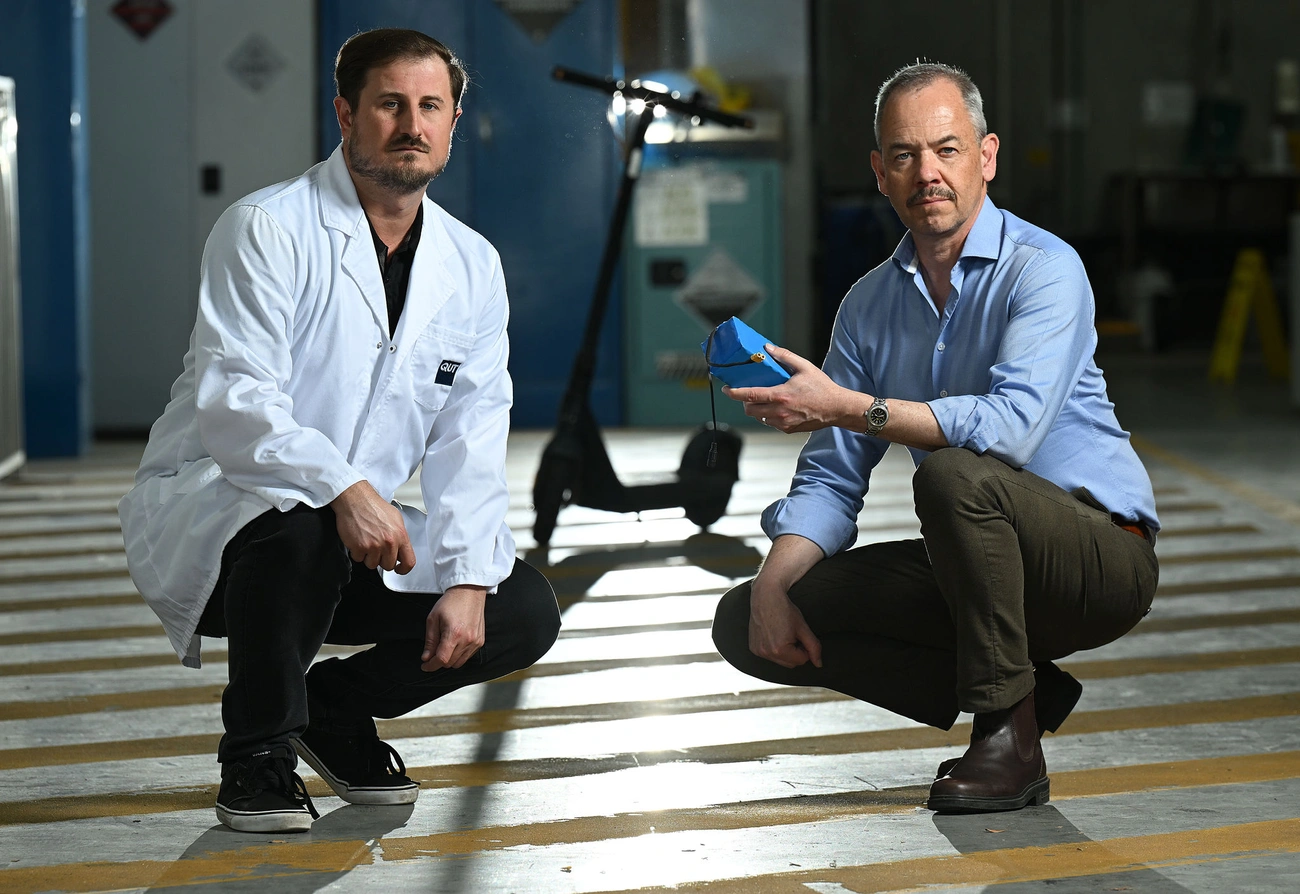
The article discusses the rising fire risk associated with damaged batteries, saltwater flooding, incorrect charging, and repeated knocks and vibrations in devices like e-bikes and e-scooters. It highlights that these risks are particularly relevant for devices frequently moved or stored in environments like garages, sheds, or vehicles. Shawn Ticehurst, head of the IAG Research Centre, points out that safety frameworks for such devices are lagging behind technological advancements.
Key Points:
- Fire risk increases significantly when batteries are damaged, exposed to saltwater, charged incorrectly, or subjected to physical shocks.
- These risks are especially pertinent for e-bikes, e-scooters, and other devices that are frequently moved or stored in non-ideal environments.
- Shawn Ticehurst emphasizes the lag in developing comprehensive safety frameworks for these devices.
Actionable Takeaways:
- Implement Enhanced Battery Safety Protocols: Companies manufacturing e-bikes and e-scooters should prioritize the development and implementation of advanced safety protocols for batteries. This includes improved design features that mitigate risks from physical damage and environmental exposure, such as saltwater flooding. This action is crucial as it directly addresses the primary cause of increased fire risk, as highlighted in the article.
- Invest in Safety Framework Development: There is a clear need for the travel and tech industries to invest in the development of robust safety frameworks for portable electronic devices. This includes not only technological innovations but also regulatory standards that ensure manufacturers adhere to stringent safety guidelines. This takeaway is relevant as it addresses the broader industry trend of lagging safety measures, which could lead to increased incidents and potential regulatory actions.
- Educate Users on Proper Device Handling: Travel companies and device manufacturers should provide comprehensive guidelines and training materials for users on how to safely handle and store devices like e-bikes and e-scooters. This includes advice on avoiding exposure to saltwater, proper charging practices, and minimizing physical shocks. This takeaway is actionable because it empowers users to take preventive measures, thereby reducing the risk of fire incidents and enhancing overall safety.
Contextual Insights:
The article reflects a growing concern within the travel industry regarding the safety of portable electronic devices, particularly those used for transportation such as e-bikes and e-scooters. As the popularity of these devices continues to rise, so does the associated risk of fire incidents due to battery malfunctions. This trend is exacerbated by the frequent movement and storage of these devices in environments that may not be conducive to their safe operation, such as garages and vehicles. The lag in developing comprehensive safety frameworks underscores a broader industry challenge: balancing technological innovation with safety standards. This situation is particularly pertinent in the context of the increasing adoption of electric mobility solutions, which are seen as a key component of sustainable travel. Forward-looking insights suggest that the industry must prioritize safety innovations to maintain consumer trust and comply with emerging regulatory standards. Additionally, the article highlights the importance of user education, a trend that is gaining traction as companies recognize the value of proactive safety measures in preventing incidents and enhancing user experience.
Handling Different Article Types:
The article provided is a news brief, offering factual information about a specific issue within the travel industry. The analysis and insights generated adhere strictly to the facts and context presented, ensuring relevance and accuracy for a professional audience.
Read the Complete Article.


