











Sail Through Time: Discover the Timeless Wonders of Upper Egypt Aboard Kenzy Dahabeya
Experience the magic of the Nile aboard Kenzy Dahabeya, a luxury boutique sailing cruise that offers an unforgettable journey between...
Read moreDetails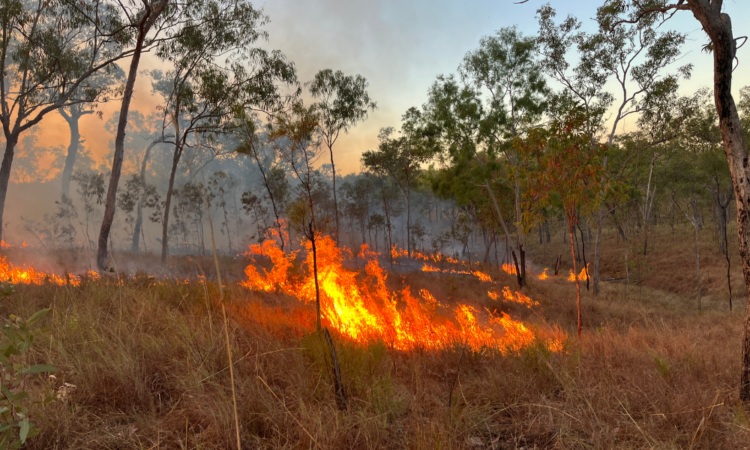
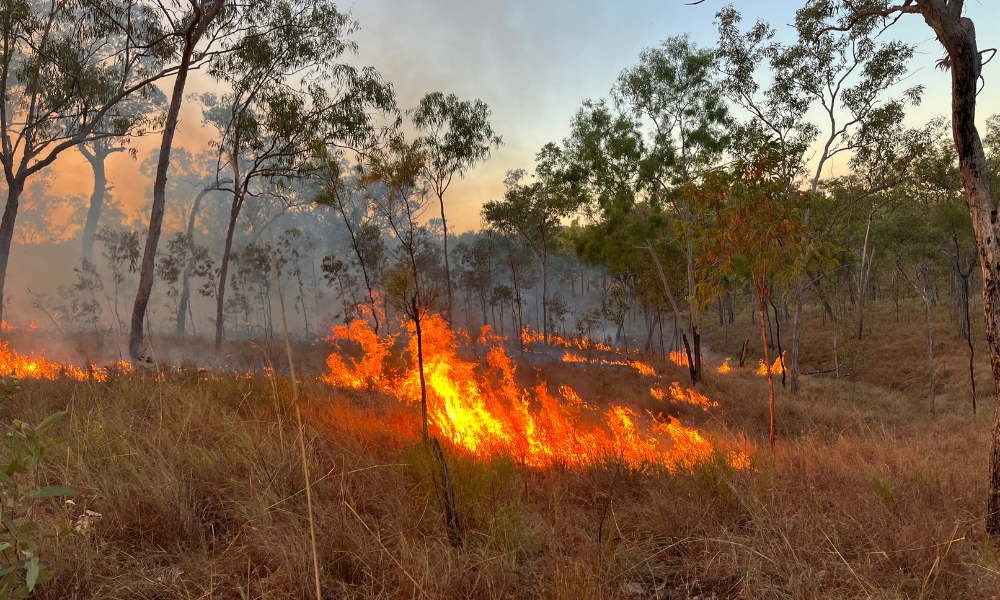
IAG backs cultural land management in three‑year AbCF deal
Comprehensive Summarization:
The article discusses the challenges faced by IAG and the foundation in integrating Aboriginal land management practices into mainstream emergency management and insurance frameworks. Despite the increasing prevalence of cultural fire activity, there are significant barriers due to existing protocols, regulatory settings, and the current methods of risk assessment and pricing in insurance. The article highlights the need for alignment between cultural burning practices and mainstream systems to improve emergency services and land management. Additionally, it touches on the latest travel trends and insights from thought leaders, emphasizing the importance of adapting to evolving market conditions and technological advancements in the travel industry.
Key Points:
Actionable Takeaways:
Enhance Collaboration Between Aboriginal Communities and Emergency Services: To effectively integrate Aboriginal land management practices, there is a need for stronger collaboration between Aboriginal communities and emergency services. This includes sharing knowledge, resources, and protocols to ensure that cultural fire management practices are recognized and incorporated into mainstream emergency management frameworks.
Revise Risk Assessment and Pricing Models in Insurance: The insurance industry must revise its risk assessment and pricing models to account for cultural fire practices. This involves understanding the benefits of cultural burning in reducing the risk of catastrophic wildfires and incorporating these insights into insurance policies to provide better coverage and pricing for properties in fire-prone areas.
Invest in Technology for Real-Time Monitoring and Response: Leveraging technology for real-time monitoring of fire activity and environmental conditions can significantly enhance emergency response capabilities. Investing in advanced monitoring systems and predictive analytics can help in early detection and timely response to fire incidents, thereby reducing the impact on both communities and travel infrastructure.
Contextual Insights:
The article reflects the current challenges and opportunities in integrating traditional land management practices into modern emergency management and insurance frameworks. As the travel industry continues to evolve, the importance of adapting to cultural and environmental factors cannot be overstated. The integration of Aboriginal land management practices not only addresses immediate safety and risk management concerns but also aligns with broader sustainability goals. Furthermore, the emphasis on technological advancements in monitoring and response mechanisms highlights a forward-looking perspective on how the travel industry can leverage innovation to enhance safety and resilience. These insights are crucial for travel startups and fintech companies aiming to develop solutions that cater to the evolving needs of travelers and communities in fire-prone regions.
Read the Complete Article.
Experience the magic of the Nile aboard Kenzy Dahabeya, a luxury boutique sailing cruise that offers an unforgettable journey between...
Read moreDetails



