












Sail Through Time: Discover the Timeless Wonders of Upper Egypt Aboard Kenzy Dahabeya
Experience the magic of the Nile aboard Kenzy Dahabeya, a luxury boutique sailing cruise that offers an unforgettable journey between...
Read moreDetails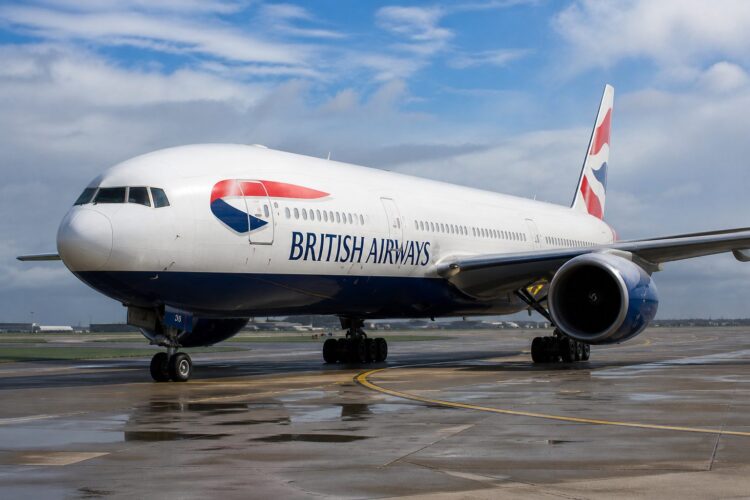
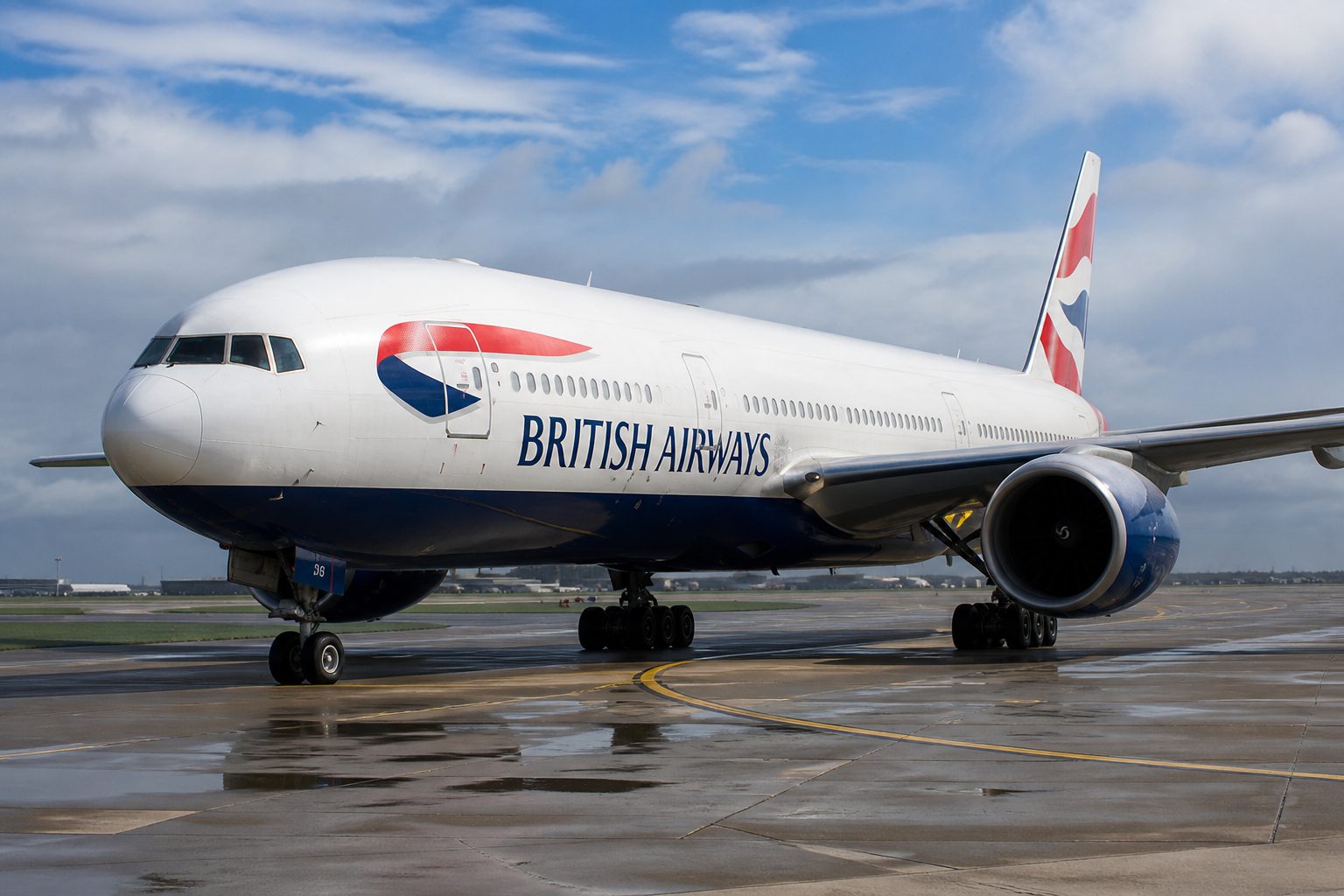
IAG’s British Airways Pay Setback Puts Summer Travel and May 8 Results in Focus
Comprehensive Summarization:
The article reports that British Airways pilots have narrowly rejected a proposed pay overhaul, adding to labor challenges for IAG (International Consolidated Airlines Group SA) just before the summer season, which is expected to be affected by rising fuel costs. The proposed pay increase offered up to a 4% raise, but pilots objected to cuts in pension contributions and a significant reduction in the Flying Pay Supplement—a bonus based on hours worked. This vote is particularly significant for IAG as it navigates rising operational costs. The article also mentions the need to incorporate the latest travel trends and insights from thought leaders to provide a forward-looking perspective on the travel industry.
Key Points:
Actionable Takeaways:
Negotiation Strategies in Labor Relations: The rejection of the pay overhaul highlights the importance of balancing pilot welfare with operational costs. Companies in the travel industry should consider innovative negotiation strategies that address pilot concerns while managing budget constraints. This could involve exploring alternative compensation models or phased pay increases that align with financial forecasts.
Impact of Rising Fuel Costs on Travel Industry: The article underscores the vulnerability of airlines to fuel price fluctuations. Travel companies should develop contingency plans for fuel cost volatility, such as hedging strategies or diversifying fuel suppliers. This proactive approach can help mitigate financial risks and ensure operational stability during periods of high fuel prices.
Importance of Staying Informed on Travel Trends: To remain competitive, travel companies must keep abreast of the latest industry trends and insights. This includes monitoring technological advancements, consumer preferences, and regulatory changes. By leveraging thought leader insights, companies can adapt their strategies to meet evolving market demands and capitalize on emerging opportunities.
Contextual Insights:
The rejection of the pay overhaul by British Airways pilots reflects broader challenges faced by airlines in maintaining workforce morale and operational efficiency amid rising costs. This situation is compounded by the increasing burden of fuel expenses, which directly impact airlines’ profitability. As the travel industry moves forward, companies must prioritize strategic workforce management and financial planning to navigate these challenges successfully.
The article also highlights the critical role of staying informed on travel trends and insights from industry experts. As the sector evolves, with advancements in technology and shifting consumer behaviors, companies must remain agile and responsive. By integrating expert analyses and forward-looking perspectives, travel firms can better anticipate market shifts and position themselves for sustained growth. This forward-looking approach is essential for maintaining a competitive edge and ensuring long-term success in an increasingly dynamic industry.
Read the Complete Article.
Experience the magic of the Nile aboard Kenzy Dahabeya, a luxury boutique sailing cruise that offers an unforgettable journey between...
Read moreDetails



