












Comprehensive Summarization:
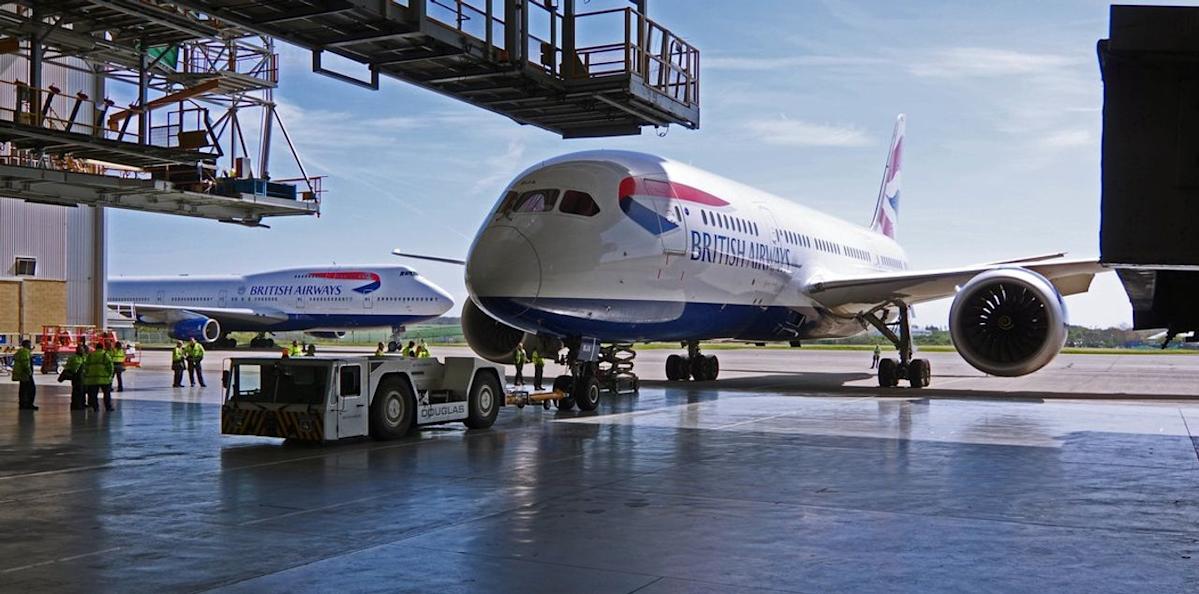
The article discusses the potential impact of the ongoing conflict in the Middle East on International Consolidated Airlines Group SA (IAG), the parent company of British Airways. JPMorgan’s recent analysis suggests that while the conflict presents a short-term revenue opportunity for IAG and other major European airlines, it could also become a longer-term challenge if the fighting remains unresolved. This paradox highlights the dual-edged nature of geopolitical events on the airline industry, presenting both immediate financial gains and potential future risks.
Key Points:
- The conflict in the Middle East creates a dual scenario for airlines like IAG, offering short-term revenue opportunities but posing long-term risks if the conflict persists.
- JPMorgan’s analysis indicates that while airlines may benefit from increased travel demand during conflicts, sustained instability could lead to operational challenges and revenue volatility.
- The article underscores the importance of monitoring geopolitical developments for their potential impact on the travel industry, particularly for major European airlines.
Actionable Takeaways:
-
Diversify Revenue Streams: Airlines should explore diversifying their revenue streams to mitigate risks associated with geopolitical uncertainties. This could include expanding into new markets, enhancing ancillary services, or investing in digital platforms to capture online travel demand.
- Relevance: In the context of geopolitical tensions, diversification can help airlines maintain revenue stability and adapt to changing market conditions more effectively.
-
Enhance Operational Resilience: Companies should invest in operational resilience strategies, such as flexible scheduling, robust supply chain management, and contingency planning for travel disruptions.
- Relevance: By enhancing operational resilience, airlines can better withstand the challenges posed by geopolitical conflicts, ensuring smoother operations and minimizing revenue losses.
-
Monitor Geopolitical Developments: Stakeholders in the travel industry should closely monitor geopolitical developments and their potential impact on travel demand and operational costs. Proactive risk management and scenario planning can help airlines navigate uncertainties more effectively.
- Relevance: Staying informed about geopolitical trends enables airlines to anticipate challenges and adjust their strategies accordingly, ensuring long-term sustainability in a volatile environment.
Contextual Insights:
The article’s focus on the potential dual impact of the Middle East conflict on IAG and other European airlines is particularly relevant in the current travel industry landscape. Recent trends indicate a heightened sensitivity to geopolitical risks, with travelers increasingly considering safety and stability when planning their journeys. This context underscores the importance of proactive risk management and strategic adaptation in the face of global uncertainties.
Moreover, the article aligns with broader industry insights on the importance of technological innovation and operational agility. As the travel sector continues to evolve, embracing digital transformation and investing in resilient infrastructure will be crucial for airlines to thrive amidst geopolitical challenges. Thought leaders emphasize the need for continuous monitoring of global events and agile responses to maintain competitive advantage and ensure sustained growth in the face of evolving market dynamics.
Read the Complete Article.



