












Comprehensive Summarization:
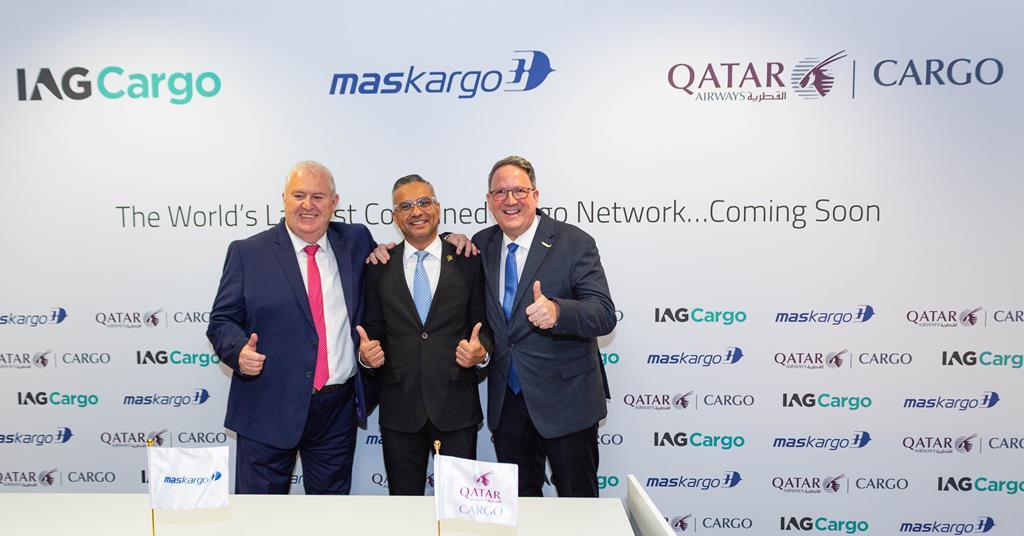
The article discusses Singapore’s public consultation on a proposed cargo partnership between Qatar Airways, IAG Cargo, and MAB Kargo. This collaboration aims to achieve metal neutrality through cooperation on scheduling, pricing, sales, and marketing. The Competition and Consumer Commission of Singapore (CCS) has received an application from the airlines on January 16th, seeking a decision on whether their proposed joint business agreement infringes section 34 of the competition act. This section prohibits agreements that could potentially harm competition within the sector. The article also touches on the latest travel trends and insights from industry thought leaders, highlighting the evolving landscape of travel technology, startups, and fintech innovations.
Key Points:
- Qatar Airways, IAG Cargo, and MAB Kargo have proposed a cargo partnership in Singapore, focusing on shared scheduling, pricing, sales, and marketing strategies.
- The aim of this collaboration is to achieve metal neutrality, a term used in the aviation industry to describe a balance between aircraft capacity and demand.
- The Competition and Consumer Commission of Singapore (CCS) is reviewing the proposed agreement to ensure it complies with section 34 of the competition act, which prevents agreements that could harm competition.
- The article also references the latest travel trends and insights from industry thought leaders, emphasizing the importance of technological advancements and innovation in the travel sector.
Actionable Takeaways:
-
Collaborative Strategy for Metal Neutrality: The proposed partnership between Qatar Airways, IAG Cargo, and MAB Kargo could set a precedent for collaborative strategies in the aviation industry aimed at achieving metal neutrality. This approach could lead to more efficient resource allocation and potentially lower costs for airlines, benefiting both the industry and consumers.
-
Importance of Regulatory Compliance: The involvement of the CCS in reviewing the partnership agreement underscores the importance of regulatory compliance in the aviation sector. Companies must navigate complex legal frameworks to ensure their business strategies do not inadvertently harm market competition. This highlights the need for ongoing engagement with regulatory bodies and legal experts to maintain compliance.
-
Integration of Travel Technology and Fintech Innovations: The article references the evolving landscape of travel technology and fintech innovations. Companies in the travel industry should stay abreast of these developments to leverage new technologies for operational efficiencies, improved customer experiences, and innovative financial solutions. This could include adopting advanced booking systems, implementing blockchain for secure transactions, or utilizing AI for predictive analytics in demand forecasting.
Contextual Insights:
The proposed cargo partnership between Qatar Airways, IAG Cargo, and MAB Kargo reflects a broader trend in the aviation industry towards strategic collaborations aimed at optimizing operations and achieving sustainability goals such as metal neutrality. Metal neutrality is increasingly becoming a focal point for airlines as they seek to reduce their environmental impact by balancing aircraft capacity with demand more effectively.
In the context of current industry trends, the emphasis on collaborative strategies and technological innovation is crucial. The travel sector is witnessing rapid advancements in areas such as digital transformation, sustainability initiatives, and customer experience enhancements. Thought leaders in the industry are advocating for a more integrated approach that combines technological solutions with sustainable practices to meet the evolving demands of travelers and regulatory requirements.
Moreover, the scrutiny from regulatory bodies like the CCS highlights the growing importance of ethical business practices and compliance in the aviation industry. As companies explore new partnerships and business models, they must ensure that their strategies align with legal standards and contribute positively to market competition. This balance between innovation and compliance will be key to the sustained growth and success of airlines and related businesses in the coming years.
Read the Complete Article.



