










Article Summary:
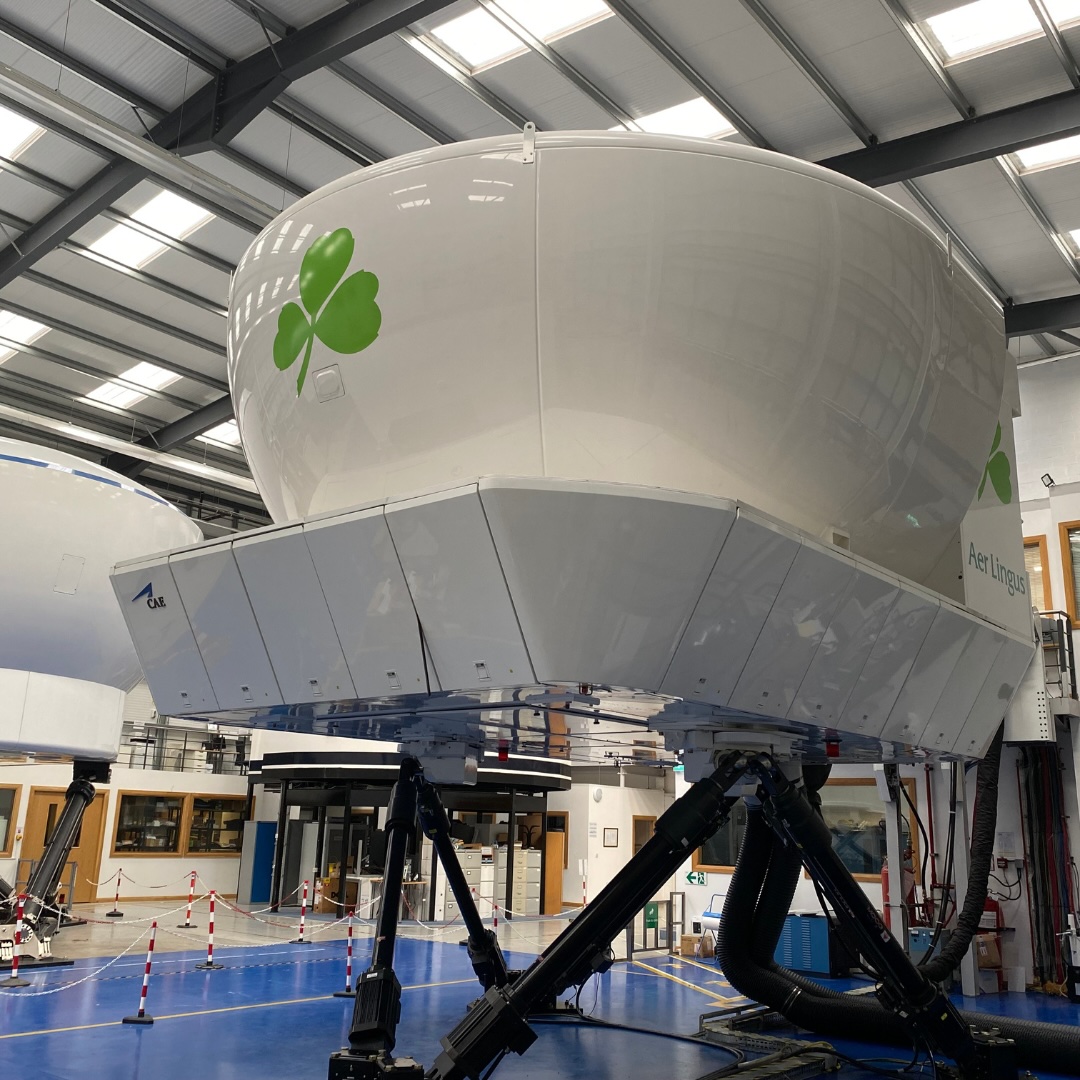
Simtech Aviation has announced a strategic expansion of its pilot training facilities in Dublin through a long-term partnership with Aer Lingus, a subsidiary of International Airlines Group (IAG). This collaboration will introduce new CAE full-flight simulators for Airbus A320, A330, and A321XLR aircraft, enhancing the delivery of advanced training for these aircraft types. The initiative underscores the growing importance of state-of-the-art simulator technology in pilot training, particularly for Airbus aircraft, which are pivotal in the global aviation sector.
Key Points:
- Simtech Aviation is partnering with Aer Lingus to expand its pilot training facilities in Dublin.
- The partnership will introduce new CAE full-flight simulators for Airbus A320, A330, and A321XLR aircraft.
- This expansion aims to enhance the delivery of advanced training for Airbus aircraft, which are significant in the global aviation industry.
- The initiative reflects the increasing reliance on advanced simulator technology in pilot training.
Actionable Takeaways:
- Investment in Advanced Simulator Technology: The introduction of CAE full-flight simulators for Airbus aircraft signifies a significant investment in cutting-edge training technology. This is crucial for maintaining high safety and efficiency standards in pilot training, especially for complex aircraft like the Airbus A320, A330, and A321XLR. For travel industry stakeholders, this highlights the importance of adopting advanced technologies to enhance training programs and ensure high-quality pilot performance.
- Strategic Partnerships in Aviation: The collaboration between Simtech Aviation and Aer Lingus demonstrates the value of strategic partnerships in the aviation sector. Such partnerships can drive innovation and improve training capabilities, which are essential for maintaining competitive advantage in the aviation industry. Companies in the travel industry should consider forming similar partnerships to enhance their service offerings and operational efficiency.
- Focus on Airbus Aircraft: The emphasis on Airbus aircraft in this expansion reflects the Airbus brand’s dominance in the global aviation market. As Airbus aircraft are widely used across international airlines, training for these aircraft is critical for pilots worldwide. This focus indicates a trend towards standardizing training programs for major aircraft manufacturers, which could influence the development of industry-wide training standards and practices.
Contextual Insights:
The partnership between Simtech Aviation and Aer Lingus is a testament to the ongoing advancements in aviation training technology and the strategic importance of Airbus aircraft in the global aviation landscape. The integration of CAE full-flight simulators for Airbus A320, A330, and A321XLR aircraft highlights a broader industry trend towards leveraging technology to enhance pilot training. This trend is supported by the increasing demand for efficient and effective training solutions to meet the rigorous standards required for operating complex aircraft.
In the context of current industry trends, the focus on Airbus aircraft underscores the significance of standardizing training programs for major aircraft manufacturers. As the aviation industry continues to evolve, with a growing emphasis on safety, efficiency, and technological innovation, such partnerships and investments in advanced training technologies will likely become more prevalent. For the travel industry, this suggests a future where technological advancements in pilot training will play a crucial role in maintaining high safety standards and operational excellence.
Moreover, the strategic partnership between Simtech Aviation and Aer Lingus exemplifies the growing importance of collaborations between aviation training providers and airlines. As the industry moves towards more standardized and technology-driven training solutions, such collaborations will be essential for driving innovation and ensuring that pilots are well-prepared to handle the complexities of modern aircraft. This forward-looking perspective aligns with the broader industry trend of embracing digital transformation to enhance training methodologies and operational efficiency.
Read the Complete Article.




