






Sail Through Time: Discover the Timeless Wonders of Upper Egypt Aboard Kenzy Dahabeya
Experience the magic of the Nile aboard Kenzy Dahabeya, a luxury boutique sailing cruise that offers an unforgettable journey between...
Read moreDetails
Comprehensive Summarization:
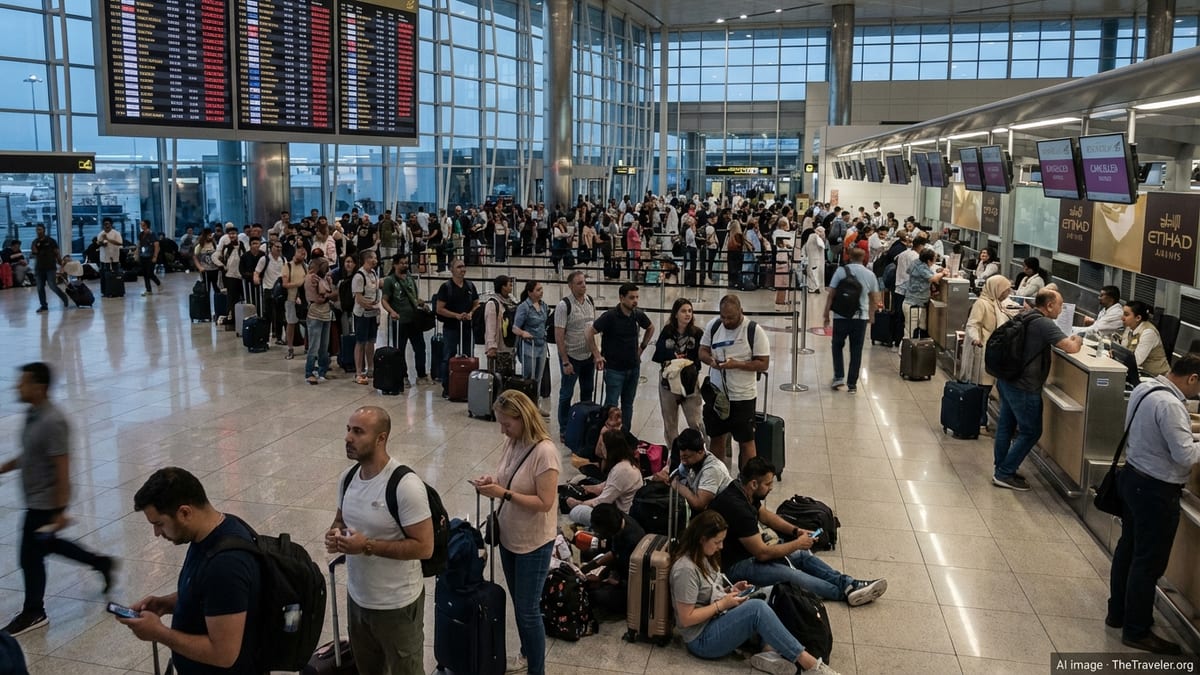
The article discusses the travel industry’s response to rising oil prices due to the Iran war. Tui, easyJet, and Jet2 have ruled out fuel surcharges on holiday bookings to reassure customers. However, British Airways owner IAG admitted that “pricing adjustments” are being made in response to these price hikes. Additionally, the government announced flexibility on airport slot rules as a potential contingency measure if fuel shortages prevent airlines from flying. The article also touches on Tui UK & Ireland’s involvement in these developments.
Key Points:
Actionable Takeaways:
Fuel Surcharge Suspension: Airlines like Tui, easyJet, and Jet2 have suspended fuel surcharges to maintain customer confidence amidst rising oil prices. This move highlights the industry’s proactive approach to managing customer expectations during economic uncertainties. It may encourage other airlines to follow suit, potentially stabilizing prices in the short term.
Government Flexibility on Airport Slots: The government’s announcement of flexibility on airport slot rules indicates a willingness to adapt to supply chain disruptions caused by fuel shortages. This flexibility could help airlines maintain operations and potentially reduce delays, benefiting both airlines and passengers. It underscores the importance of government support in navigating industry-wide challenges.
Market Adaptation: The willingness of major airlines to adjust pricing and adapt to external factors like oil price fluctuations demonstrates the industry’s resilience and adaptability. This trend may encourage other stakeholders, including travel agencies and fintech companies, to innovate and offer flexible booking options or alternative revenue models to mitigate the impact of rising fuel costs.
Contextual Insights:
The article reflects the current state of the travel industry, where external factors such as geopolitical tensions and oil price volatility significantly impact operations and customer perceptions. The suspension of fuel surcharges by major airlines like Tui, easyJet, and Jet2 showcases a collective effort to reassure customers and maintain market stability. This action is likely to be closely watched by other industry players, potentially setting a precedent for similar responses in the future.
The government’s flexibility on airport slot rules is a strategic move to address supply chain disruptions, highlighting the interconnectedness of government policies and industry operations. This flexibility could serve as a model for other sectors facing similar challenges, emphasizing the need for adaptable regulatory frameworks.
Looking ahead, the travel industry may see increased collaboration between airlines, governments, and fintech companies to develop innovative solutions for managing fuel costs and supply chain disruptions. This collaborative approach could lead to the emergence of new technologies and services aimed at enhancing operational efficiency and customer satisfaction in the face of global uncertainties.
Read the Complete Article.
Experience the magic of the Nile aboard Kenzy Dahabeya, a luxury boutique sailing cruise that offers an unforgettable journey between...
Read moreDetails



