












Article Summary:
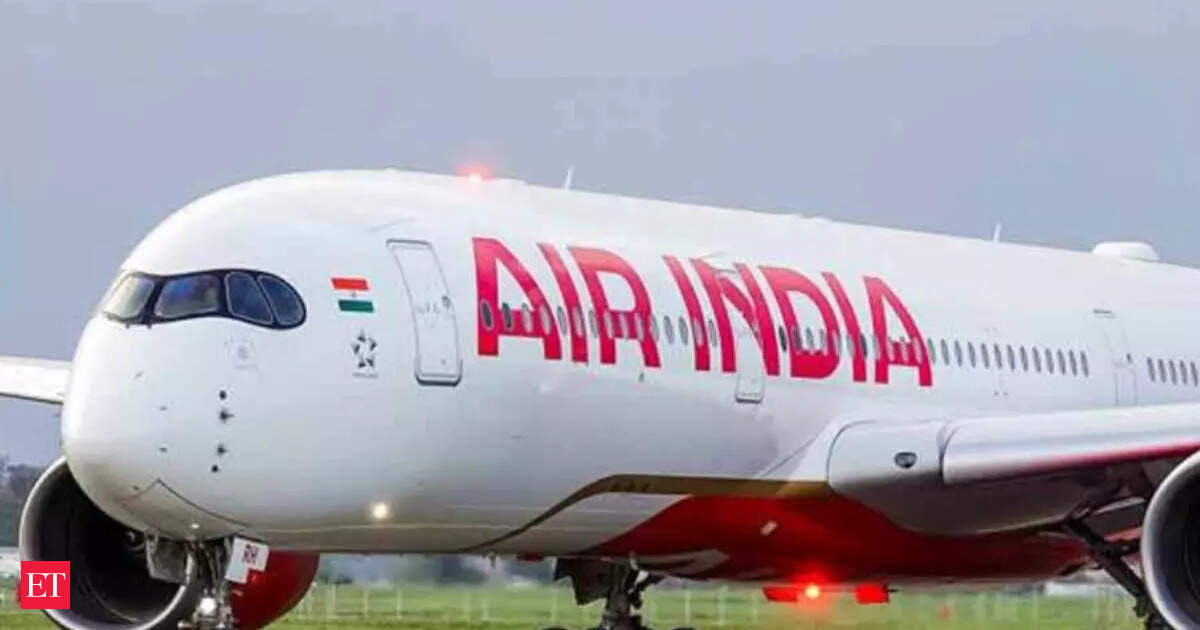
Air India has announced its intention to operate up to 275 additional flights this month, following a government-imposed 10% capacity cut for IndiGo. This move comes as part of the aviation ministry’s strategy to rebalance routes during the peak travel season. The Tata Group airline has also requested clarity from the ministry regarding the duration of the curbs on IndiGo, in order to effectively plan its capacity. The article also references IndiGo’s 10% capacity cut, which is not expected to spike fares but will impact its expansion plans.
Key Points:
- Air India plans to increase its flight operations by up to 275 flights this month.
- The increase is in response to a government-ordered 10% capacity cut for IndiGo.
- The aviation ministry is seeking to rebalance routes during the peak travel season.
- Air India has sought clarity from the ministry on the duration of the curbs on IndiGo.
- IndiGo’s 10% capacity cut is not expected to lead to an increase in fares.
- The capacity cut is expected to impact IndiGo’s expansion plans.
Actionable Takeaways:
- Strategic Capacity Adjustment: Air India’s decision to increase its flight operations by 275 flights demonstrates a strategic response to the government-imposed capacity cuts for IndiGo. This move could potentially lead to increased competition in the market, prompting other airlines to review their own capacity strategies. For industry stakeholders, this could mean a need to adapt to a more competitive environment, possibly by enhancing service quality or exploring new market segments.
- Government Policy Impact: The government’s intervention in rebalancing routes and managing capacity highlights the significant role of policy in shaping the aviation industry. For airlines and industry analysts, this underscores the importance of staying informed about regulatory changes and their potential impact on operational planning and market positioning.
- Market Competition and Pricing Strategy: IndiGo’s 10% capacity cut, while not expected to spike fares, will likely affect its expansion plans. This situation presents an opportunity for competitors like Air India to leverage the increased capacity to potentially lower fares or enhance service offerings, thereby intensifying market competition. For airlines and market observers, this scenario emphasizes the need for agile pricing strategies and innovative service models to maintain competitiveness.
Contextual Insights:
The article reflects the ongoing challenges and strategic adjustments within the aviation industry, particularly in response to government interventions aimed at rebalancing routes and managing airline capacities. This context is crucial for understanding the broader implications for the travel sector, including the potential for increased competition and the need for airlines to adapt their strategies in real-time. The focus on route rebalancing during peak travel seasons also highlights the dynamic nature of the industry, where external factors such as government policies and market conditions can significantly influence operational decisions and market dynamics. For thought leaders and industry professionals, this underscores the importance of being agile and responsive to regulatory changes and market trends to navigate the evolving landscape effectively.
Read the Complete Article.



