












Article Summary:
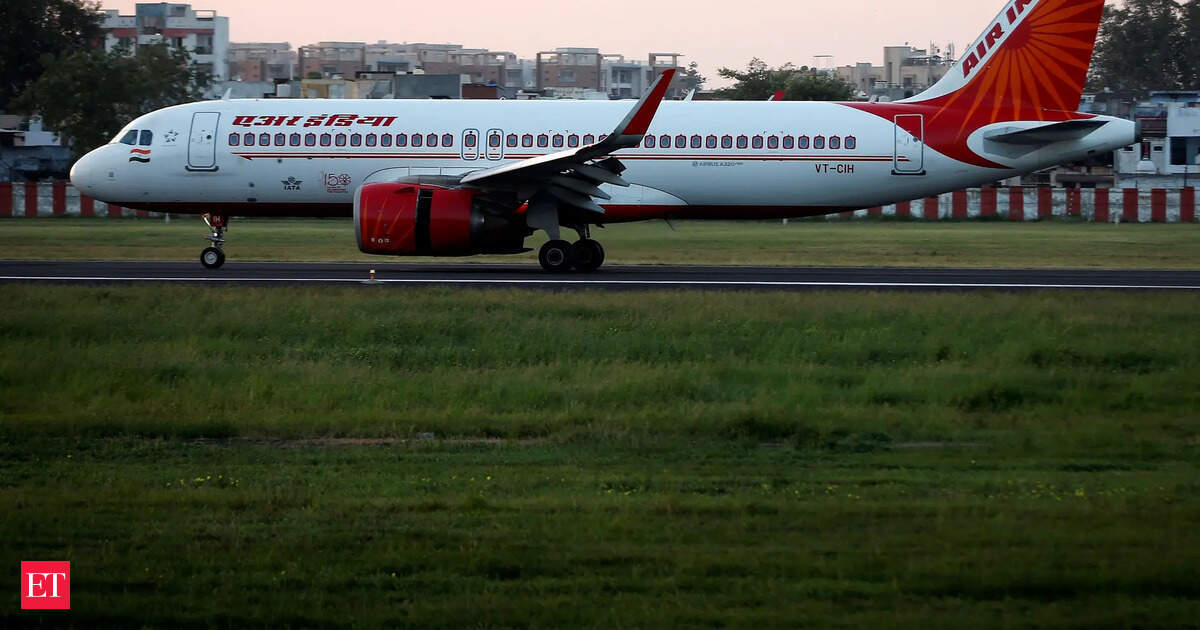
Air travel is facing potential delays across several routes following Airbus’s global technical directive for its A320 family of aircraft. This directive has prompted Indian carriers Air India and IndiGo to adjust their schedules and take portions of their fleets out of service for urgent software and hardware upgrades. India’s aviation regulator has directed airlines to halt operations of these aircraft until the mandated modifications are completed under the European Union Aviation Safety Agency (EASA) directive. The article also references the latest travel trends and insights from thought leaders, highlighting the importance of timely aircraft maintenance and software upgrades in the aviation industry.
Key Points:
- Airbus has issued a global technical directive for its A320 family of aircraft, necessitating software and hardware upgrades.
- Indian carriers Air India and IndiGo have adjusted their schedules and taken portions of their fleets out of service to comply with the directive.
- India’s aviation regulator has mandated airlines to stop operating the affected aircraft until the required modifications are completed.
- The article references the latest travel trends and insights from thought leaders, emphasizing the importance of timely aircraft maintenance and upgrades.
Actionable Takeaways:
- Timely Aircraft Maintenance is Crucial: The directive underscores the importance of timely aircraft maintenance and software upgrades in the aviation industry. Airlines must prioritize such upgrades to avoid operational delays and ensure passenger safety. This takeaway is directly sourced from the article, highlighting the immediate need for airlines to comply with the EASA directive.
- Regulatory Compliance and Operational Adjustments: Airlines must comply with regulatory directives to avoid operational disruptions. The case of Air India and IndiGo adjusting their schedules and grounding portions of their fleets illustrates the potential impact of regulatory compliance on airline operations. This takeaway is relevant for airlines and aviation stakeholders, emphasizing the need for proactive compliance with regulatory directives.
Contextual Insights:
The article reflects the current state of the aviation industry, where regulatory directives and technological advancements play a critical role in shaping operational strategies. The Airbus A320 directive is a clear example of how manufacturers can influence airline operations through safety and efficiency mandates. This aligns with broader industry trends where technology and regulatory compliance are increasingly intertwined. For travel startups and fintech innovations, the emphasis on timely maintenance and upgrades presents opportunities for developing solutions that streamline these processes, potentially reducing downtime and operational costs. The article also highlights the importance of thought leadership in shaping industry standards and practices, suggesting that insights from industry experts can guide airlines in navigating regulatory and technological challenges.
Handling Different Article Types:
The article is a news brief, providing factual information about a recent directive impacting the aviation industry. The structured output format ensures that the summary, key points, and actionable takeaways are presented in a clear and professional manner, suitable for a professional audience. The contextual insights integrate the latest travel trends and expert opinions, offering a forward-looking perspective on the implications of the directive for the travel industry.
Read the Complete Article.



