












Comprehensive Summarization:
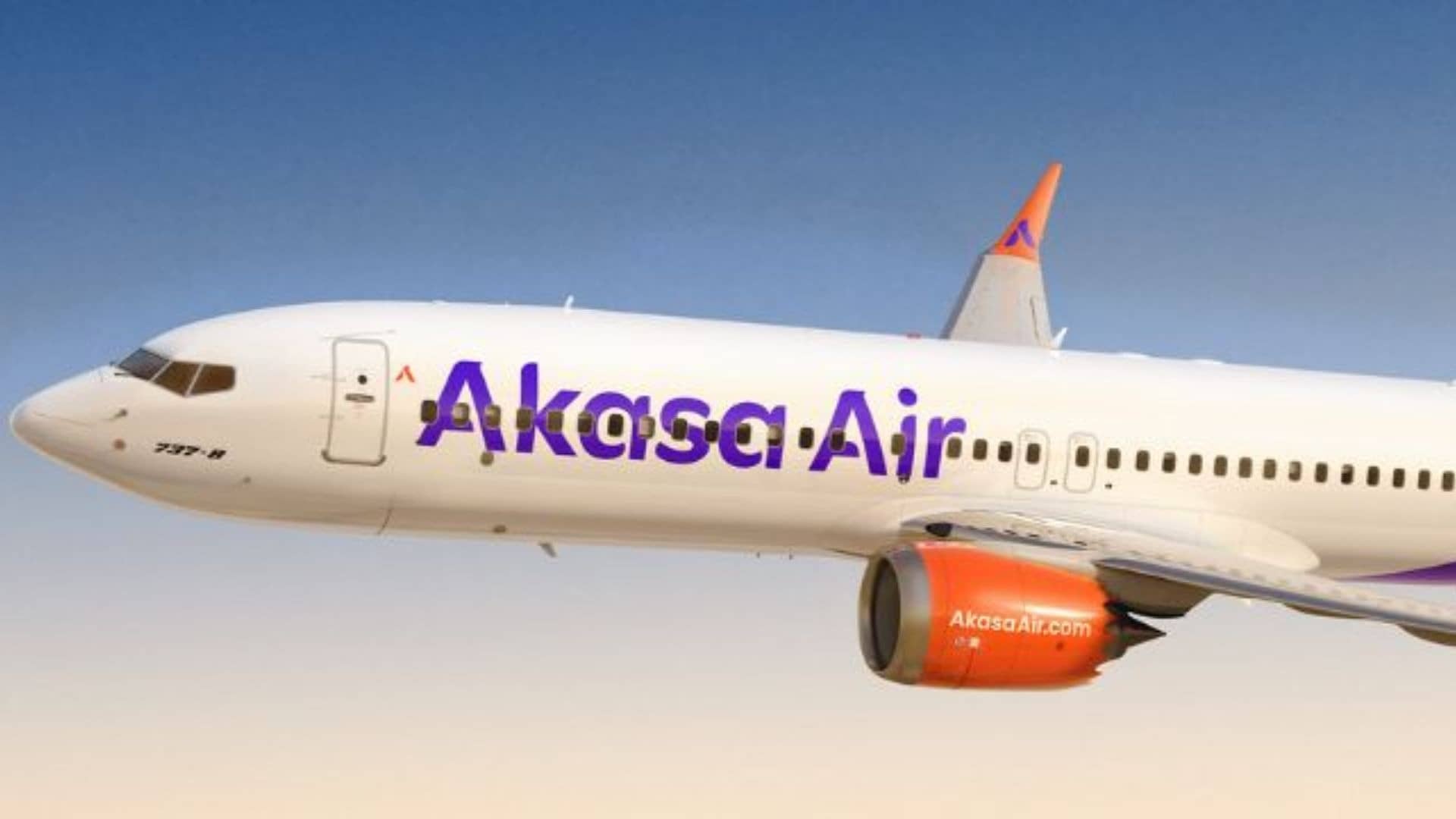
Akasa Air, following the lead of Air India and IndiGo, has announced a new fuel surcharge on both domestic and international tickets starting March 15. This decision comes as a response to rising oil prices driven by the ongoing conflict in West Asia. The airline has stated that passengers will see additional fees ranging from Rs 199 to Rs 1,300 on all routes. This move is part of the broader trend in the travel industry where airlines are adjusting to the increased operational costs due to fluctuating fuel prices.
Key Points:
- Akasa Air has introduced a fuel surcharge on both domestic and international tickets starting March 15.
- The surcharge is a direct response to rising oil prices due to the conflict in West Asia.
- The additional fees range from Rs 199 to Rs 1,300, applicable to all routes.
- This action is part of a larger industry trend where airlines are adjusting to increased operational costs.
Actionable Takeaways:
-
Passenger Cost Implications: Travelers should be aware of the additional fees when booking flights with Akasa Air starting March 15. This could impact travel budgets, especially for those planning trips during this period.
-
Industry Cost Adjustment: The introduction of fuel surcharges reflects the broader industry trend of adjusting to rising operational costs. Airlines are increasingly passing on fuel price increases to passengers, which may set a precedent for other carriers to follow suit.
-
Market Response: Other airlines, including Air India and IndiGo, have also announced similar measures. This could lead to a competitive landscape where airlines continuously adjust their pricing strategies in response to fuel price fluctuations, impacting consumer choices and travel planning.
Contextual Insights:
The introduction of fuel surcharges by Akasa Air is a direct response to the current surge in oil prices, primarily driven by geopolitical tensions in West Asia. This move underscores the vulnerability of the travel industry to external economic factors, particularly fuel costs. As oil prices continue to fluctuate, airlines are likely to face ongoing pressure to adjust their pricing structures, which could lead to more frequent surcharges and potentially higher fares for consumers.
In the broader context of the travel industry, this development highlights the need for airlines to innovate and adapt to changing economic conditions. The surge in fuel prices is a stark reminder of the delicate balance airlines must maintain between operational costs and competitive pricing. For startups and fintech companies operating within the travel sector, this presents an opportunity to explore new revenue models and cost-saving technologies that can help mitigate the impact of rising fuel prices on both airlines and passengers. For instance, investing in fuel-efficient aircraft or developing alternative energy sources could provide a competitive edge in an increasingly volatile market.
Read the Complete Article.


