












Comprehensive Summarization:
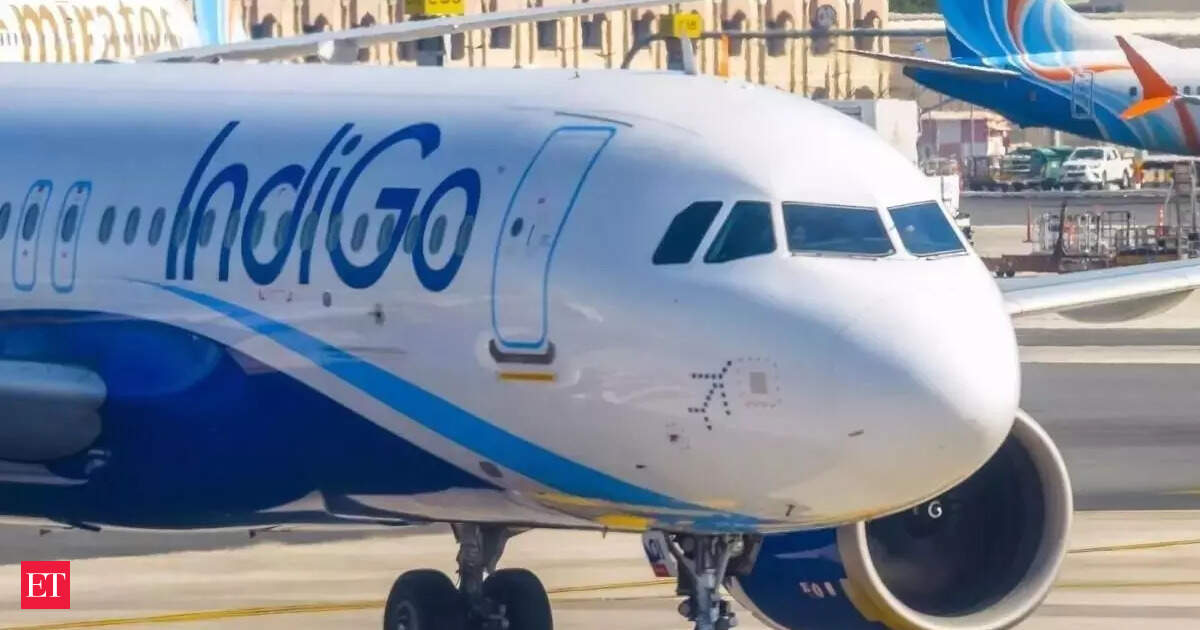
The Competition Commission has ordered a detailed probe against IndiGo, India’s largest airline, for alleged unfair business practices following its cancellation of thousands of flights due to operational issues. This comes just two months after the incident. Currently, IndiGo holds over 65% market share in India’s domestic airline market. In December, Air India Group and Akasa Air saw their market shares rise to 29.6% and 5.2%, respectively, indicating a shift in market dynamics. The article also touches on the latest travel trends and insights from industry thought leaders, highlighting the evolving landscape of the travel sector.
Key Points:
- The Competition Commission has initiated a probe into IndiGo for unfair business practices.
- IndiGo currently commands over 65% of India’s domestic airline market.
- In December, Air India Group’s market share increased to 29.6%, and Akasa Air’s to 5.2%.
- The probe follows IndiGo’s cancellation of thousands of flights due to operational issues.
- The article discusses the latest travel trends and insights from industry thought leaders.
Actionable Takeaways:
-
Market Share Dynamics: The shift in market share among major airlines like IndiGo, Air India Group, and Akasa Air suggests a competitive landscape that could influence pricing strategies, service offerings, and customer loyalty programs. Airlines may need to innovate to retain market share, focusing on areas such as customer experience, route expansion, and technological integration.
-
Regulatory Scrutiny: The Competition Commission’s probe into IndiGo highlights the increasing regulatory focus on airline practices. Airlines must ensure compliance with antitrust laws to avoid legal repercussions and maintain consumer trust. This could lead to more transparent pricing and service policies, benefiting both airlines and consumers.
-
Innovation in Travel Tech: The evolving market dynamics underscore the importance of technological innovation in the travel sector. Startups and established airlines alike must invest in advanced technologies such as AI for customer service, blockchain for secure transactions, and data analytics for personalized marketing. These innovations can enhance operational efficiency, improve customer satisfaction, and create competitive advantages.
Contextual Insights:
The recent probe against IndiGo against the backdrop of shifting market shares among major airlines reflects broader trends in the travel industry. The increasing regulatory scrutiny is a response to growing concerns over monopolistic practices and their impact on consumer welfare. This context is crucial for understanding the strategic implications for airlines and the broader travel ecosystem. As the industry moves towards greater digitalization and personalization, startups and established players must collaborate to leverage technology effectively. Thought leaders emphasize the need for a balanced approach, where innovation drives growth without compromising ethical standards or regulatory compliance. This forward-looking perspective is essential for navigating the complexities of the modern travel industry, ensuring sustainable growth and resilience in the face of regulatory challenges.
Read the Complete Article.


