












Article Summary:
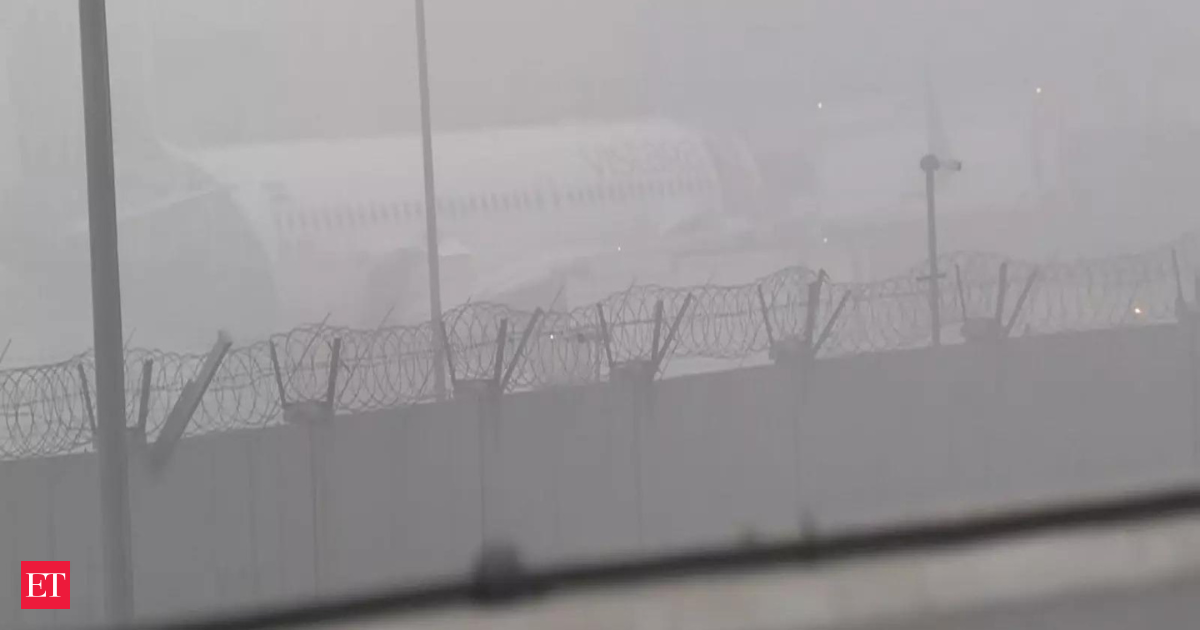
On Wednesday, severe fog and extremely low visibility at Delhi’s Indira Gandhi International Airport (IGIA) led to widespread disruption, with at least 148 flights cancelled and over 150 delayed. According to airport authorities, 78 incoming flights and 70 departures were cancelled, while two flights were diverted due to unsafe landing conditions. The airport is operated by the Delhi International Airport Ltd (DIAL).
Key Points:
- Severe fog and low visibility caused widespread flight cancellations and delays at IGIA.
- A total of 148 flights were cancelled, and more than 150 were delayed.
- Two flights were diverted due to unsafe landing conditions.
- The airport is managed by Delhi International Airport Ltd (DIAL).
Actionable Takeaways:
- Impact on Travel Planning: The significant disruption at IGIA highlights the vulnerability of air travel to weather conditions. Travel agencies and airlines should develop contingency plans for severe weather scenarios to minimize passenger inconvenience and financial losses.
- Investment in Weather Monitoring Technology: The incident underscores the need for advanced weather monitoring and predictive technologies in the aviation sector. Investing in such technologies can help airlines and airports better anticipate and mitigate the effects of severe weather, improving operational efficiency and passenger safety.
- Regulatory and Safety Enhancements: The occurrence of unsafe landing conditions due to poor visibility calls for stricter regulatory standards and safety protocols. Airlines and airports should collaborate with regulatory bodies to implement enhanced safety measures, potentially leading to innovations in aviation safety technology.
Contextual Insights:
The article reflects the ongoing challenges faced by the aviation industry in managing severe weather conditions, particularly in major hubs like Delhi. Recent trends indicate a growing reliance on technology to enhance safety and operational efficiency. For instance, the integration of AI and machine learning in weather forecasting and real-time flight tracking systems is becoming increasingly prevalent. These technologies not only improve the accuracy of weather predictions but also enable airlines to make informed decisions swiftly, reducing the likelihood of disruptions. Furthermore, the incident highlights the importance of regulatory frameworks in ensuring aviation safety, suggesting a potential shift towards more stringent safety standards in response to such events. As the travel industry continues to evolve, the emphasis on technological innovation and regulatory compliance will be crucial in addressing future challenges and enhancing the overall travel experience.
Read the Complete Article.


