












Article Summary:
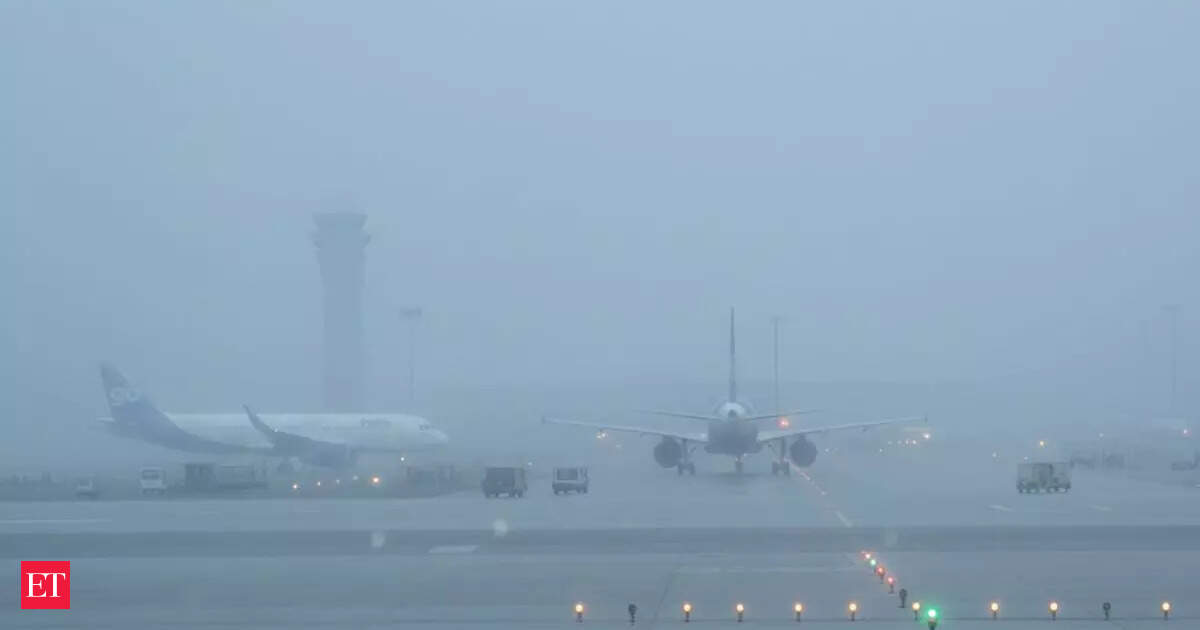
IndiGo, Air India, and SpiceJet have issued warnings to passengers about potential flight delays at Delhi airport due to the season’s first spell of winter fog, which has significantly reduced visibility. This fog has also affected other airports in Northern India, leading to the cancellation of 40 flights and diversion of 4 flights at Delhi Airport. The Aviation Ministry stated that its teams and Air Traffic Control (ATC) are working diligently to minimize disruptions.
Key Points:
- Winter fog at Delhi airport has led to reduced visibility, causing flight delays and cancellations.
- 40 flights have been cancelled, and 4 have been diverted at Delhi Airport due to the fog.
- Other airports in Northern India are also experiencing dense fog, impacting visibility and flight operations.
- The Aviation Ministry is actively working with ATC to mitigate the disruptions caused by the fog.
Actionable Takeaways:
- Proactive Communication with Passengers: Airlines should enhance their communication strategies with passengers regarding potential delays and cancellations due to adverse weather conditions. This proactive approach can help manage passenger expectations and reduce anxiety, thereby improving customer satisfaction.
- Invest in Advanced Weather Monitoring Technologies: The recurring issue of fog at airports underscores the need for airlines to invest in advanced weather monitoring and forecasting technologies. These technologies can provide more accurate and timely weather updates, enabling airlines to make informed decisions about flight operations and improve safety.
- Collaboration with Aviation Authorities: Strengthening collaboration between airlines and aviation authorities, such as the Aviation Ministry and ATC, is crucial. This partnership can facilitate better coordination and response to weather-related disruptions, ensuring smoother operations and minimizing the impact on passengers.
Contextual Insights:
The article highlights the challenges faced by the aviation industry during adverse weather conditions, specifically winter fog, which significantly impacts flight operations and passenger experience. This situation is reflective of broader trends in the travel industry, where weather-related disruptions are becoming more frequent due to climate change. The proactive measures taken by airlines, such as clear communication with passengers and investment in advanced technologies, are indicative of the industry’s response to these challenges. Furthermore, the collaboration between airlines and aviation authorities is essential for effective crisis management and ensuring the safety and efficiency of flight operations. As the travel industry continues to evolve, these insights underscore the importance of adaptability, innovation, and collaboration in navigating unforeseen challenges.
Read the Complete Article.



