












Article Summary:
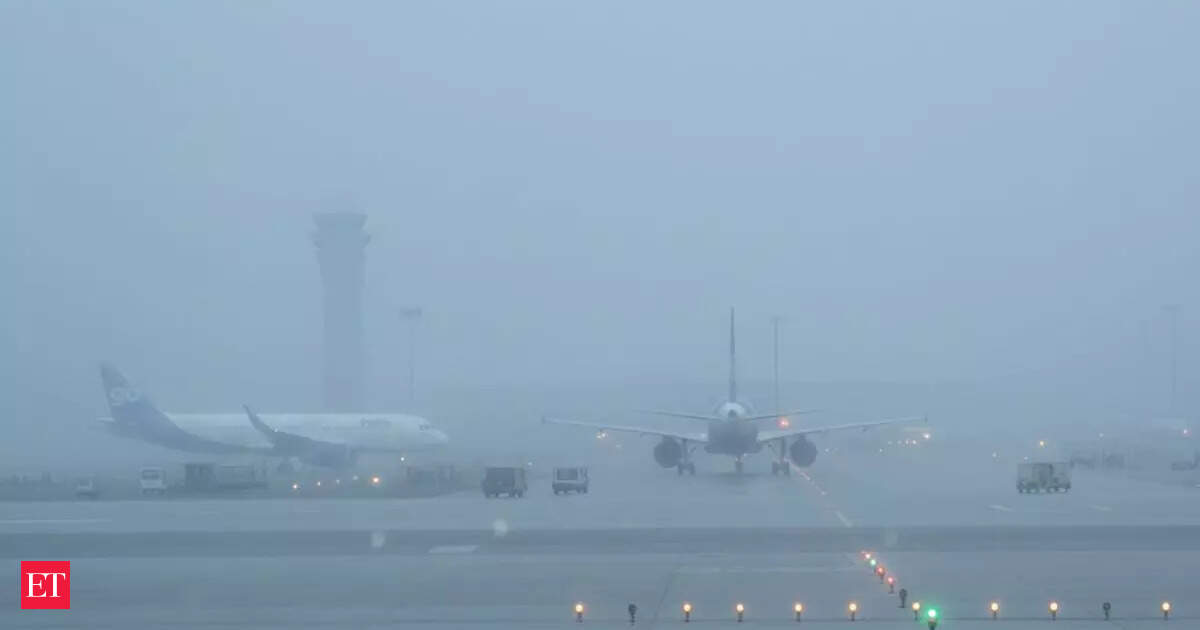
IndiGo, Air India, and SpiceJet have issued warnings to passengers about potential flight delays at Delhi airport due to the season’s first spell of winter fog, which has significantly reduced visibility. This fog has also affected other airports in Northern India, leading to the cancellation of 40 flights and diversion of 4 flights at Delhi Airport. The Aviation Ministry stated that its teams and Air Traffic Control (ATC) are working diligently to minimize disruptions.
Key Points:
- Winter fog at Delhi airport has led to reduced visibility, impacting flight operations.
- 40 flights have been cancelled, and 4 have been diverted at Delhi Airport due to the fog.
- Other Northern Indian airports are also experiencing dense fog, exacerbating the situation.
- The Aviation Ministry is actively working to mitigate the disruptions caused by the fog.
Actionable Takeaways:
- Proactive Communication with Passengers: Airlines should enhance their communication strategies with passengers regarding potential delays and diversions, especially during adverse weather conditions like winter fog. This can help manage passenger expectations and reduce anxiety.
- Invest in Advanced Weather Monitoring Technologies: Airlines and airports can benefit from investing in advanced weather monitoring and forecasting technologies to better predict and prepare for adverse weather conditions, thereby minimizing disruptions.
- Collaborative Efforts with Aviation Authorities: Strengthening collaboration between airlines, airports, and aviation authorities can lead to more efficient handling of weather-related disruptions. This includes sharing real-time data and coordinating response strategies to minimize delays and diversions.
Contextual Insights:
The article highlights the significant impact of winter fog on air travel, particularly at major hubs like Delhi airport. This situation underscores the importance of robust weather monitoring systems and effective communication strategies in the travel industry. As climate patterns continue to change, leading to more unpredictable weather conditions, the travel industry must adapt by investing in technology and fostering collaborative efforts with regulatory bodies. These measures are crucial for maintaining operational efficiency and ensuring passenger safety and satisfaction. The insights from this article align with the growing trend of integrating advanced technologies in travel tech and the increasing importance of customer communication in managing travel disruptions.
Read the Complete Article.



