












Article Summary:
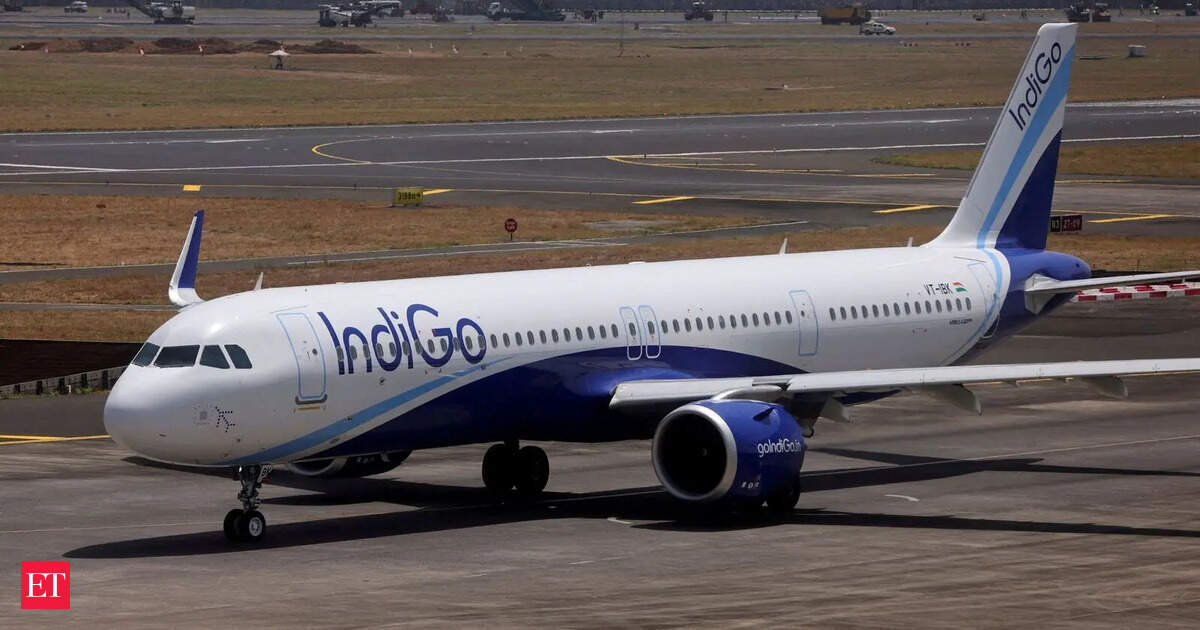
The Ministry of Civil Aviation in India has imposed temporary fare caps on airlines in response to rising complaints about soaring domestic airfares. This intervention comes amid ongoing service disruptions, particularly affecting IndiGo, the country’s largest domestic airline, which has been canceling hundreds of flights daily. The move aims to address concerns over unusually high airfares and ensure more stable pricing during the turbulence in the aviation sector.
Key Points:
- The Ministry of Civil Aviation has introduced temporary fare caps on airlines to curb the rise in domestic airfares, following complaints and service disruptions.
- IndiGo, the largest domestic airline, has been forced to cancel numerous flights, contributing to the turbulence in the aviation sector.
- The intervention warns airlines of strict action for violations during the ongoing disruption, signaling a firm stance against fare hikes.
- The article highlights the broader context of rising airfares and their impact on consumer confidence and travel plans.
Actionable Takeaways:
- Implement Fare Caps Strategically: Airlines should consider implementing fare caps as a short-term measure to stabilize prices and restore consumer confidence. This action is directly relevant given the current fare inflation concerns highlighted in the article.
- Enhance Communication with Passengers: Airlines should improve communication with passengers regarding fare changes and service disruptions. This transparency can help manage expectations and mitigate dissatisfaction, as seen with IndiGo’s cancellation of hundreds of flights.
- Invest in Resilient IT Systems: The article underscores the importance of robust IT systems to manage disruptions effectively. Airlines should invest in technology that ensures real-time updates and flexible rebooking options to handle unexpected cancellations and overbooking issues.
Contextual Insights:
The imposition of fare caps reflects a broader trend of regulatory intervention in response to market pressures, particularly in sectors where consumer welfare is a priority. This move aligns with current industry trends emphasizing consumer protection and fair pricing. Looking forward, the travel industry may see increased regulatory scrutiny on pricing strategies, potentially leading to more transparent fare structures and innovative pricing models that balance profitability with consumer affordability. Startups in travel tech could capitalize on this trend by developing platforms that offer real-time fare tracking and predictive analytics to help airlines and consumers navigate fare volatility more effectively.
Read the Complete Article.



