












Article Summary:
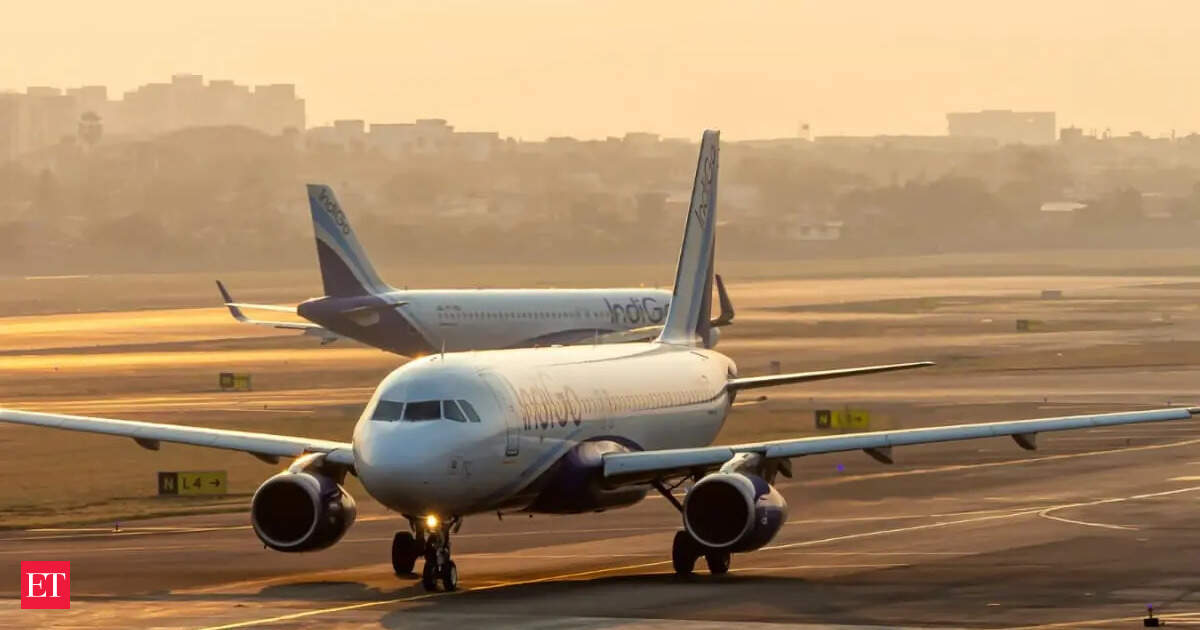
The DGCA (Directorate General of Civil Aviation) confirmed on Sunday that all domestic airlines have completed the installation of critical software updates on 323 Airbus A320-family aircraft. This action was prompted by a safety directive from Airbus, which had flagged a potential glitch in the flight-control systems of these aircraft due to unusually strong solar radiation. The update addresses the risk of data corruption in components linked to flight controls, ensuring the safety and reliability of these widely used aircraft in domestic operations.
Key Points:
- DGCA has verified that all domestic airlines have finished installing software updates on 323 Airbus A320-family aircraft, concluding an urgent safety initiative.
- The updates were initiated following Airbus’s alert about the risk of data corruption in flight-control systems due to strong solar radiation, which could affect a significant number of A320-series planes.
- The safety directive underscores the importance of addressing potential technical vulnerabilities in aircraft systems, particularly in light of environmental factors like solar radiation.
Actionable Takeaways:
-
Software Update Compliance: Airlines must ensure compliance with the DGCA’s mandate for software updates on Airbus A320-family aircraft. This compliance is crucial for maintaining safety standards and avoiding potential flight disruptions caused by system glitches.
- Relevance: Ensuring software updates are completed in a timely manner is essential for aviation safety, directly impacting operational reliability and passenger safety.
-
Investment in Flight Control System Security: The incident highlights the need for continuous investment in cybersecurity measures for aircraft systems, especially those vulnerable to environmental factors like solar radiation.
- Relevance: As airlines increasingly rely on advanced avionics and digital systems, safeguarding these systems against external threats is vital for maintaining operational integrity and passenger safety.
Contextual Insights:
The recent safety directive by DGCA reflects a broader industry trend towards enhanced cybersecurity in aviation. With the increasing integration of digital systems in aircraft operations, the risk of cyber threats, including those from environmental factors like solar radiation, is a growing concern. This situation underscores the importance of proactive measures in aviation technology, such as regular software updates and robust cybersecurity protocols. For travel startups and fintech innovators, this presents an opportunity to develop solutions that enhance the security and reliability of aviation systems. By focusing on areas like real-time system monitoring, predictive maintenance, and secure data processing, these innovations can help mitigate risks associated with technological vulnerabilities, ultimately contributing to safer and more efficient air travel.
Read the Complete Article.



