












Comprehensive Summarization:
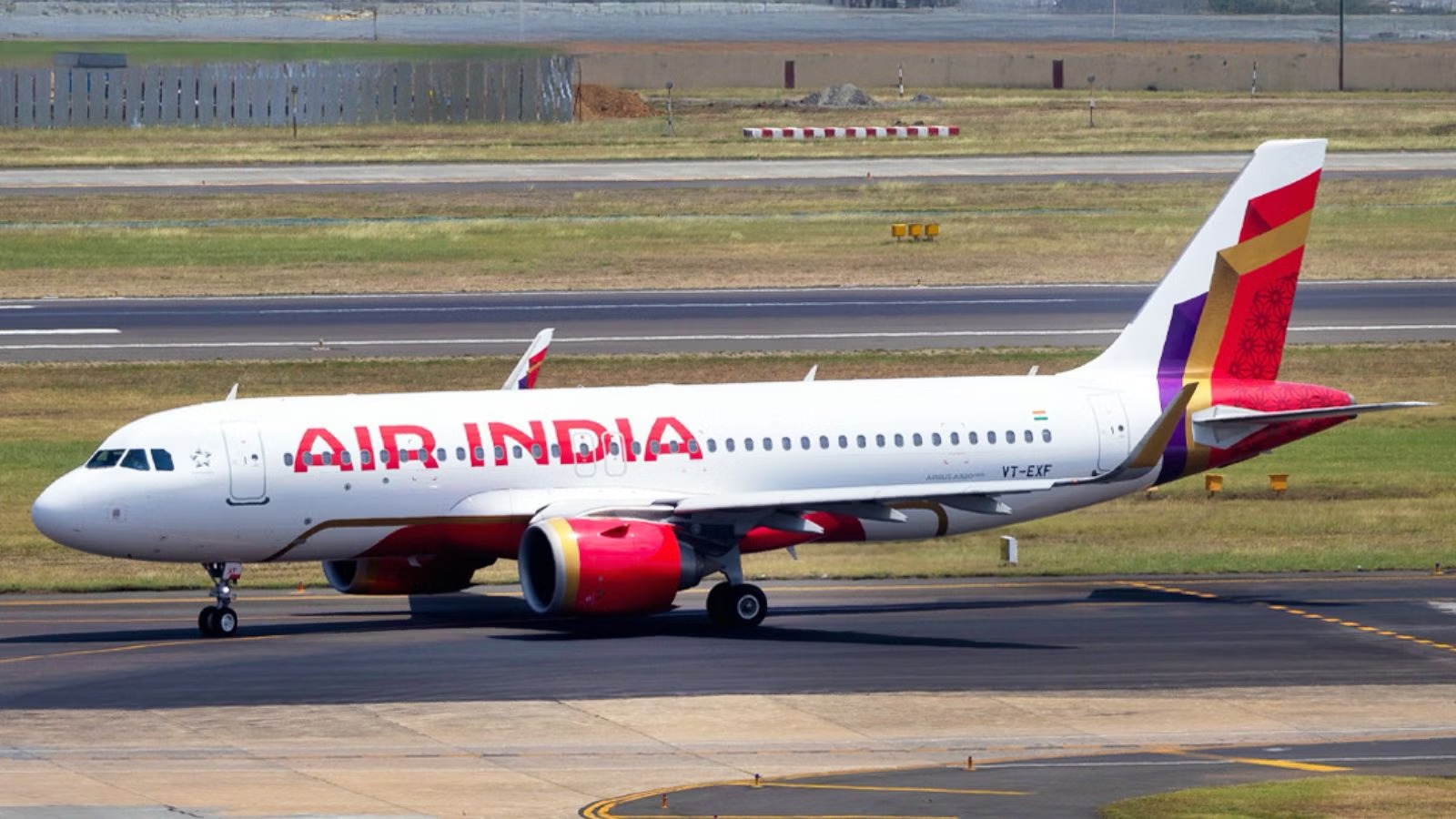
IndiGo, Air India, Akasa Air, and Air France are spearheading a significant shift in the global travel landscape by slashing fares in response to recent fuel price reductions. This strategic move has sparked a travel frenzy, particularly among Indian tourists, opening up new opportunities for travel to destinations such as Greece, Italy, Spain, Japan, and Russia. The hospitality industry is reaping substantial rewards from this surge in travel demand, marking a pivotal moment in the sector’s evolution. Published on February 1, 2026, this development underscores the profound impact of fuel price fluctuations on airline strategies and consumer travel behavior.
Key Points:
- Major airlines such as IndiGo, Air India, Akasa Air, and Air France are leading the charge in reducing fares due to fuel price cuts.
- These fare reductions have triggered a travel frenzy, particularly among Indian tourists, leading to increased travel to destinations like Greece, Italy, Spain, Japan, and Russia.
- The hospitality industry is experiencing significant benefits from the surge in travel demand, indicating a positive impact on the sector.
- The article was published on February 1, 2026, highlighting the recent nature of these developments in the travel industry.
Actionable Takeaways:
-
Strategic Pricing Adjustments: Airlines can leverage fuel price reductions to implement strategic fare cuts, thereby attracting more travelers and boosting demand. This approach can be a game-changer for airlines aiming to increase market share and enhance profitability in a competitive landscape.
-
Targeted Marketing Campaigns: Airlines should focus on targeted marketing campaigns to capitalize on the increased travel demand, especially among Indian tourists. Highlighting attractive destinations like Greece, Italy, Spain, Japan, and Russia can drive bookings and enhance brand visibility.
-
Enhanced Customer Experience: With increased travel demand, airlines should prioritize enhancing the customer experience to retain and attract more passengers. This includes improving in-flight services, offering flexible booking options, and ensuring seamless travel experiences to justify the lower fares.
Contextual Insights:
The recent fare reductions by IndiGo, Air India, Akasa Air, and Air France are a direct response to fuel price reductions, a common challenge faced by the aviation industry. This strategic move not only helps airlines manage operational costs but also stimulates travel demand, particularly among cost-conscious travelers. The surge in bookings to popular destinations like Greece, Italy, Spain, Japan, and Russia reflects a broader trend of increased global travel, driven by improved affordability. This development aligns with current industry trends, where airlines are increasingly focusing on cost optimization and customer-centric strategies to thrive in a competitive market. The hospitality industry’s positive response underscores the interconnected nature of the travel ecosystem, where airline strategies can have cascading effects on related sectors. As the travel industry continues to evolve, such strategic adjustments will be crucial for sustaining growth and meeting the demands of modern travelers.
Read the Complete Article.


