












Article Summary:
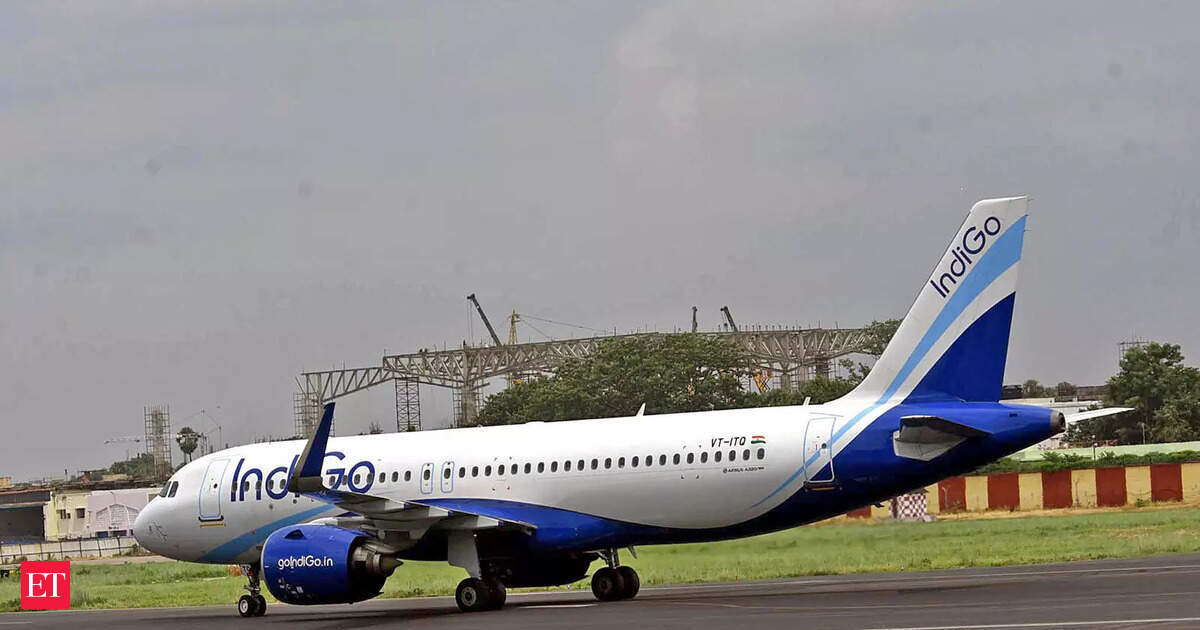
Flight operations across parts of North India are likely to face disruptions due to dense fog expected to reduce visibility during early morning hours. This situation has prompted advisories from airlines such as IndiGo, Air India, and Delhi’s Indira Gandhi International Airport. IndiGo specifically cautioned passengers about possible delays and schedule changes, citing the impact of early-morning fog on flight operations across Delhi and several parts of northern India.
Key Points:
- Dense fog is expected to reduce visibility during early morning hours in parts of North India, impacting flight operations.
- Airlines including IndiGo, Air India, and Indira Gandhi International Airport have issued advisories regarding potential delays and schedule changes.
- The fog is anticipated to affect flight operations across Delhi and several parts of northern India, highlighting the challenges posed by weather conditions in the travel industry.
Actionable Takeaways:
- Monitor Weather Conditions: Airlines and airports should closely monitor weather forecasts, especially for early morning hours, to anticipate and mitigate the impact of fog on flight schedules. This proactive approach can help in managing passenger expectations and minimizing disruptions.
- Enhance Communication with Passengers: Airlines should proactively communicate potential delays and schedule changes to passengers. Clear and timely communication can help manage passenger expectations and reduce anxiety associated with travel disruptions.
- Invest in Weather-Resilient Technologies: The travel industry could benefit from investing in advanced weather monitoring and predictive technologies. These technologies can provide real-time insights into weather conditions, enabling airlines to make informed decisions and adjust operations accordingly, thereby enhancing safety and reliability.
Contextual Insights:
The article reflects the ongoing challenges faced by the aviation industry due to adverse weather conditions, such as dense fog, which can significantly impact flight operations. This situation underscores the importance of robust weather monitoring systems and effective communication strategies within the travel sector. As the industry continues to evolve, the integration of advanced technologies and enhanced communication practices will be crucial in ensuring safety, reliability, and passenger satisfaction. Furthermore, the focus on weather resilience aligns with broader industry trends towards technological innovation and operational efficiency, positioning airlines to better navigate future challenges posed by unpredictable weather patterns.
Read the Complete Article.



