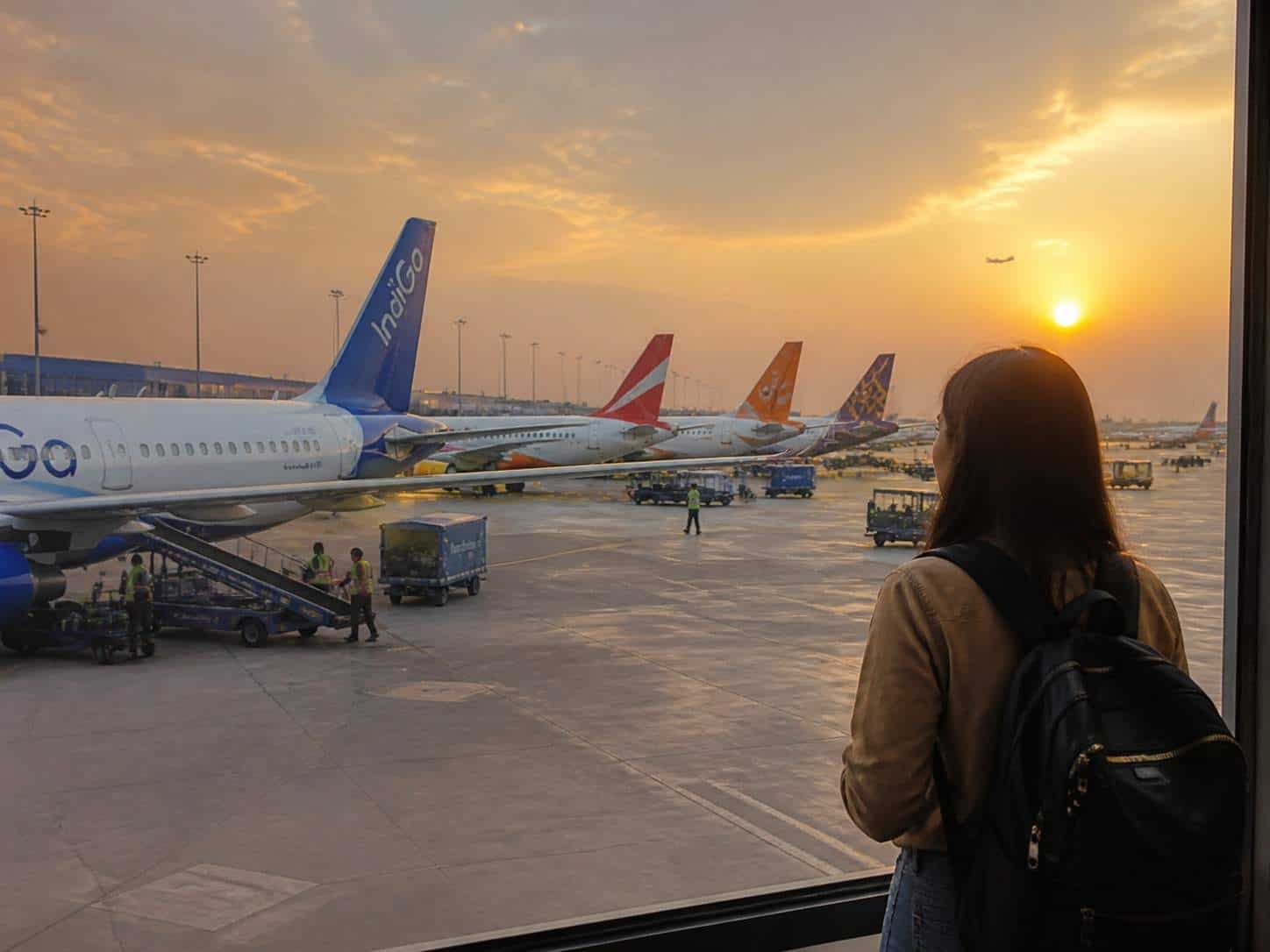
IndiGo, Air India Express, Akasa Air, Vistara Expand Reach in US, UK, Bangladesh Tourism
Comprehensive Summarization IndiGo, Air India Express, Akasa Air, and Vistara are poised for growth as there is a surge in...
Read moreDetails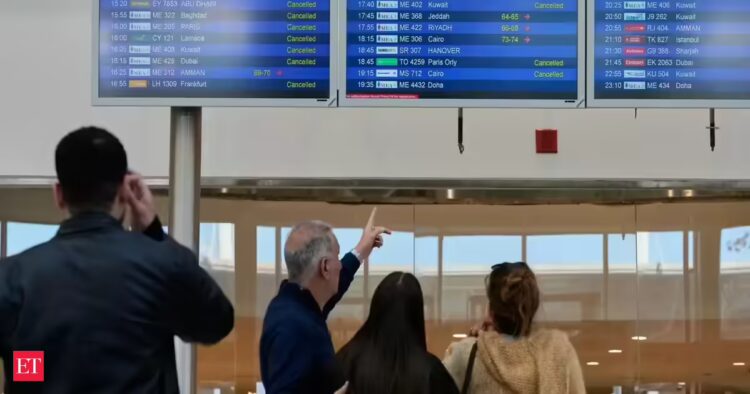
IndiGo has cancelled around 200 flights on March 2 amid the rising tensions in the Middle East region
Comprehensive Summarization:
The article reports on the significant disruption caused by the United States and Israel’s strikes on Iran, leading to the cancellation of numerous flights across the Middle East. Key hubs such as Dubai, Doha, and Abu Dhabi were forced to close for a third consecutive day, stranding thousands of passengers worldwide. IndiGo, an airline, canceled around 200 flights, contributing to the overall turmoil in global air travel. The situation highlights the vulnerability of the travel industry to geopolitical events and underscores the need for robust contingency planning in travel logistics.
Key Points:
Actionable Takeaways:
Implement Flexible Cancellation Policies: Airlines should consider implementing more flexible cancellation policies to mitigate the impact of geopolitical events on passenger bookings. This can help retain customer trust and reduce financial losses due to flight cancellations.
Enhance Communication with Passengers: Airlines need to improve communication strategies to keep passengers informed about flight cancellations and alternative arrangements. Real-time updates can help manage passenger expectations and reduce anxiety during disruptions.
Invest in Digital Tools for Real-Time Tracking: Utilizing digital tools and platforms for real-time flight tracking and passenger management can enhance operational efficiency. These tools can provide airlines with better visibility into flight statuses and enable quicker decision-making during crises.
Contextual Insights:
The article reflects the heightened sensitivity of the travel industry to geopolitical tensions, a theme underscored by recent events. The closure of key Middle Eastern hubs like Dubai, Doha, and Abu Dhabi highlights the interconnectedness of global travel networks and the potential ripple effects of regional conflicts. This situation emphasizes the importance of strategic planning and risk management in travel logistics. Furthermore, the reliance on digital tools for real-time tracking and communication aligns with current industry trends, where technology plays a crucial role in enhancing operational resilience and customer experience. As geopolitical events continue to pose risks, the travel industry must adapt by leveraging technology and fostering flexibility to navigate uncertainties effectively.
Read the Complete Article.
Comprehensive Summarization IndiGo, Air India Express, Akasa Air, and Vistara are poised for growth as there is a surge in...
Read moreDetails
Experience the magic of the Nile aboard Kenzy Dahabeya, a luxury boutique sailing cruise that offers an unforgettable journey between...
Read moreDetails