












Article Summary:
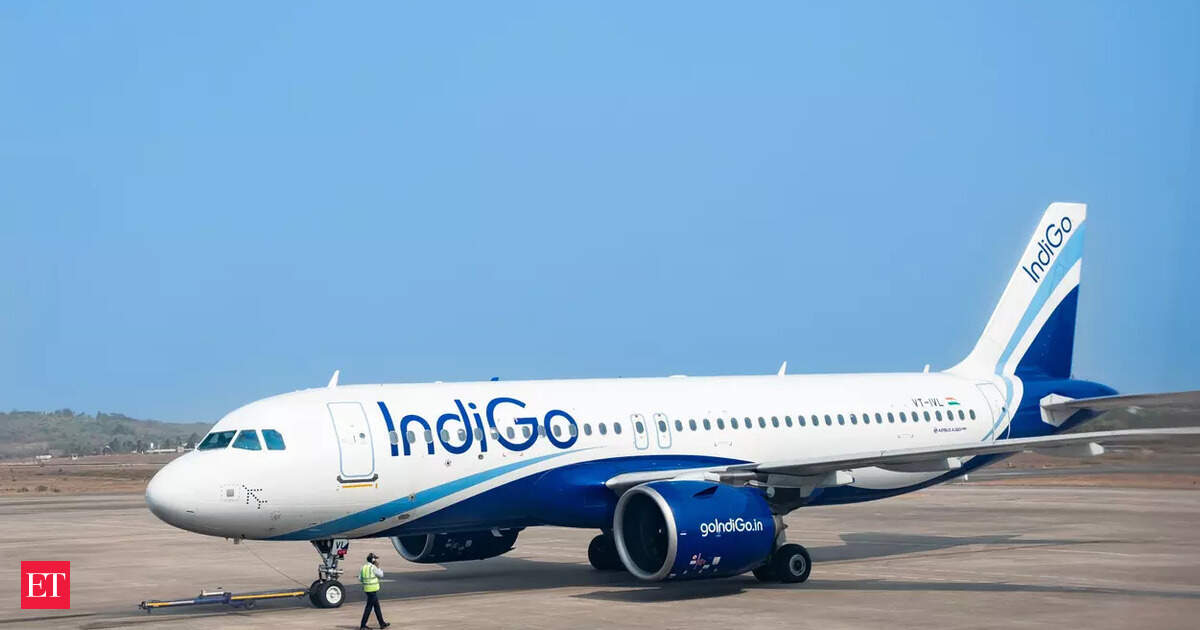
On Thursday, India’s largest airline, IndiGo, experienced a significant disruption in its operations by cancelling over 300 domestic and international flights. This led to major chaos at India’s busiest airports, including Delhi, Mumbai, Hyderabad, and Bangalore, for the third consecutive day. The cancellations affected at least 95 flights at Delhi airport, 85 at Mumbai, 70 at Hyderabad, and 50 at Bangalore, with additional cancellations reported at other airports. This follows a previous day when 150 flights were cancelled and many delayed across the country.
Key Points:
- IndiGo cancelled over 300 flights, causing significant disruption at major Indian airports.
- The cancellations affected Delhi, Mumbai, Hyderabad, and Bangalore airports, with at least 95, 85, 70, and 50 flights cancelled respectively.
- This disruption is the third consecutive day of major flight cancellations, impacting the airline’s operations and causing chaos for passengers.
- The article also references previous day’s cancellations, indicating a recurring issue.
Actionable Takeaways:
- Implement Enhanced Flight Scheduling and Real-Time Monitoring Systems: Given the recurring issue of flight cancellations, airlines like IndiGo should invest in advanced scheduling and real-time monitoring systems to predict and mitigate potential disruptions. This could involve leveraging AI and machine learning to analyze weather patterns, air traffic, and other factors that could impact flight safety and scheduling.
- Enhance Passenger Communication Protocols: The frequent cancellations have caused major inconvenience to passengers. Airlines should develop and implement robust communication protocols to keep passengers informed about cancellations, delays, and alternative arrangements. This could include real-time updates via mobile apps, SMS alerts, and dedicated customer service channels.
- Invest in Alternative Transportation Solutions: To minimize the impact of flight cancellations, airlines should explore partnerships with ground transportation providers to offer alternative solutions to stranded passengers. This could include discounted airport shuttle services, ride-sharing partnerships, or even temporary airport shuttle services during periods of high disruption.
Contextual Insights:
The recurring flight cancellations at major Indian airports highlight the vulnerabilities in the country’s air travel infrastructure. This situation is exacerbated by factors such as adverse weather conditions, air traffic congestion, and operational inefficiencies. The article underscores the need for the travel industry to adopt innovative technologies and strategies to enhance operational resilience. Furthermore, the context of recent travel trends, such as the increasing demand for seamless and transparent travel experiences, suggests that airlines must prioritize customer communication and alternative transportation solutions to maintain passenger trust and satisfaction. The insights from thought leaders in the travel industry emphasize the importance of proactive risk management and the integration of advanced technologies to navigate the complexities of modern air travel.
Read the Complete Article.



