







No products in the cart.
- Latest
- Trending

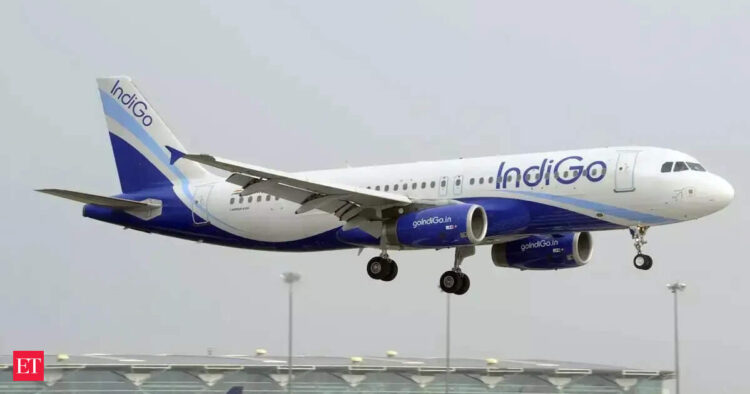
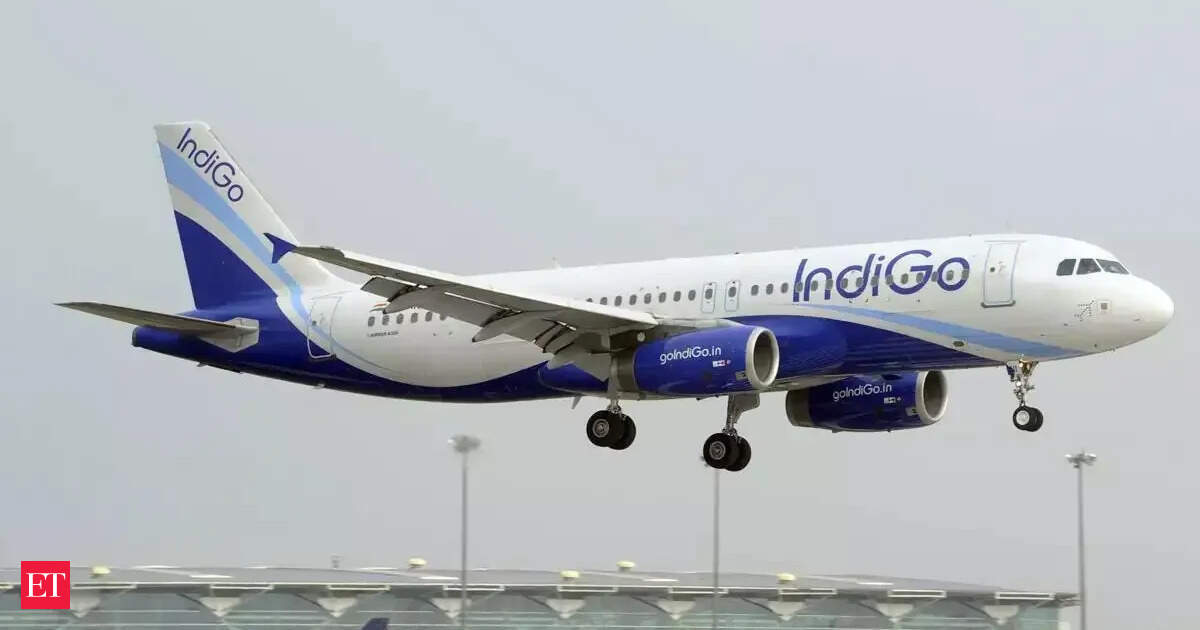
Representative Image
Comprehensive Summarization:
The article from Moody’s Ratings highlights the impending pressure on global airline profitability due to rising fuel prices, primarily driven by the Middle East conflict. Fuel, which is the second-largest expense for airlines after labor costs, is expected to remain elevated, thereby squeezing margins across the industry. Despite this, demand for travel remains relatively strong, indicating a challenging yet resilient market. The report underscores the need for airlines to adapt to these new cost dynamics to maintain profitability.
Key Points:
Actionable Takeaways:
Contextual Insights:
The article reflects the current challenges faced by the airline industry due to geopolitical tensions and rising fuel costs. The Middle East conflict has led to a surge in fuel prices, which is a critical cost factor for airlines. Despite these challenges, the demand for travel remains strong, indicating that the industry is resilient. This situation calls for airlines to adopt innovative strategies to manage costs while maintaining service quality. The emphasis on sustainable aviation fuels aligns with the growing trend of environmental sustainability in the travel sector, suggesting that airlines that invest in green technologies may gain a competitive edge in the long term.
Read the Complete Article.
Get curated travel AI insights — choose the newsletters that matter to you.
This spot is reserved for brands with a compelling story for the travel trade. They use this space to cut...
Read moreDetailsTravel One Technologies launches the world’s first Traveler DNA Platform, targeting the structural data gap at the core of an...
Read moreDetails