












Article Summary:
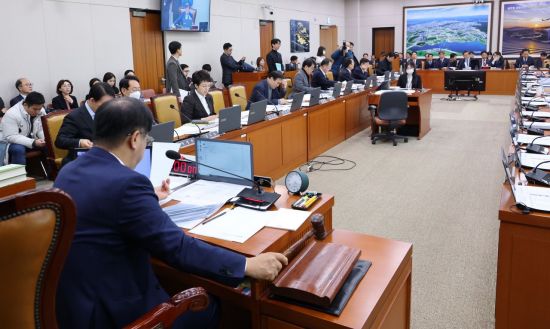
The article discusses the amendment to the Aviation and Railway Accident Investigation Act, which transforms the Aviation and Railway Accident Investigation Board (ARAIB) into an independent investigation agency. This change is particularly relevant in the context of the December 29 Jeju Air passenger plane disaster. The amendment passed the National Assembly’s Land, Infrastructure, and Transport Committee, marking a significant shift in the oversight and investigation of aviation and railway accidents in South Korea. The transformation aims to enhance the independence and effectiveness of accident investigations, potentially improving safety measures and accountability in the travel industry.
Key Points:
-
Transformation of ARAIB: The amendment converts the ARAIB, responsible for investigating accidents involving aviation and railway services, into an independent agency under the Prime Minister’s direct supervision. This change is a direct response to the Jeju Air disaster, aiming to ensure more thorough and impartial investigations.
-
Immediate Term End for Current Members: All current members of the ARAIB will have their terms end immediately upon the transition to this new independent agency. This ensures a clean break from the previous structure and emphasizes the agency’s new mandate for independence and effectiveness.
-
National Assembly Approval: The amendment passed the National Assembly’s Land, Infrastructure, and Transport Committee, indicating strong legislative support for the transformation. This approval is crucial for the implementation of the new agency structure.
Actionable Takeaways:
-
Enhanced Accountability and Efficiency: The transformation of ARAIB into an independent agency under the Prime Minister’s direct supervision is expected to enhance accountability and efficiency in accident investigations. This shift could lead to more rigorous safety protocols and quicker resolution of accident-related issues in the aviation and railway sectors. Relevance: This development is critical for stakeholders in the travel industry, as it promises improved safety standards and greater public trust in the investigation processes.
-
Alignment with Global Best Practices: By moving to an independent structure, South Korea’s accident investigation process aligns with global best practices in aviation and railway safety oversight. This move could serve as a benchmark for other countries looking to improve their accident investigation frameworks. Relevance: For travel startups and fintech companies operating in the travel sector, adopting similar independent oversight models could enhance their credibility and operational efficiency, potentially attracting more investment and partnerships.
Contextual Insights:
The amendment to the Aviation and Railway Accident Investigation Act reflects a broader trend in the travel industry towards greater accountability and transparency in safety oversight. Recent high-profile incidents, such as the Jeju Air disaster, have underscored the need for more robust and independent investigative bodies. This shift not only aligns with international standards but also positions South Korea as a leader in safety and accountability within the travel sector. As the industry continues to evolve, with increasing reliance on technology and data-driven decision-making, the independence of investigative agencies will play a crucial role in maintaining high safety standards and fostering trust among travelers. Thought leaders in the travel industry emphasize that such structural changes are essential for building resilience against future incidents and ensuring continuous improvement in safety practices.
Read the Complete Article.


