












Comprehensive Summarization:
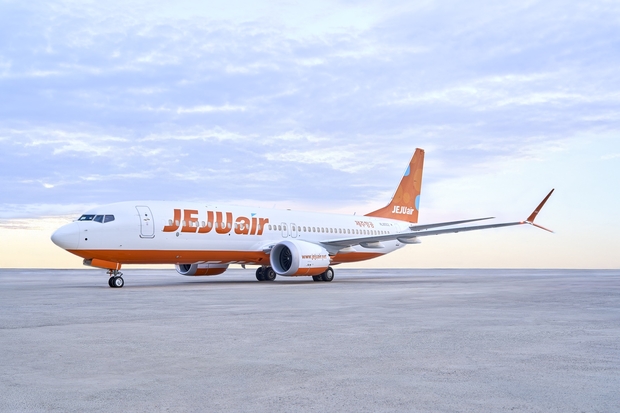
Jeju Air, South Korea’s largest low-cost carrier, has announced the acquisition of its ninth B737-8 next-generation aircraft. This acquisition brings the total number of next-generation aircraft to 21% of its passenger fleet. The newly acquired aircraft is set to commence operations after undergoing airworthiness certification and other regulatory approvals. This strategic move underscores Jeju Air’s commitment to expanding its fleet with modern, efficient aircraft, aligning with broader industry trends towards technological advancement and operational efficiency in the travel sector.
Key Points:
- Jeju Air acquired its ninth B737-8 next-generation aircraft, increasing its fleet of such aircraft to 21% of its total passenger fleet.
- The newly acquired aircraft is scheduled to begin operations post completion of airworthiness certification and regulatory approvals.
- This acquisition reflects Jeju Air’s strategic focus on integrating modern, efficient aircraft into its fleet to enhance operational capabilities.
Actionable Takeaways:
-
Investment in Modern Fleet: Jeju Air’s acquisition of a next-generation B737-8 aircraft signifies a strategic investment in modernizing its fleet. This move is likely to enhance operational efficiency, reduce fuel consumption, and improve passenger experience, aligning with industry trends towards technological advancement in air travel. For competitors and industry stakeholders, this serves as a benchmark for the benefits of integrating next-generation aircraft, potentially influencing decisions on fleet modernization strategies.
-
Market Positioning: With 21% of its passenger fleet comprising next-generation aircraft, Jeju Air strengthens its market positioning as a forward-thinking carrier. This development could influence competitors to accelerate their fleet modernization timelines, fostering a competitive environment that drives innovation in air travel technology. For stakeholders, this highlights the importance of staying abreast of technological advancements to maintain competitive advantage in the travel industry.
Contextual Insights:
Jeju Air’s acquisition of a next-generation B737-8 aircraft is reflective of the broader industry trend towards integrating advanced technologies to enhance operational efficiency and passenger experience. The move aligns with the current emphasis on sustainability and efficiency in air travel, as modern aircraft are designed to reduce fuel consumption and emissions. This strategic decision by Jeju Air not only underscores the airline’s commitment to technological advancement but also positions it favorably in a market where operational efficiency and passenger satisfaction are paramount. Looking ahead, such investments in modern fleet technology are likely to become increasingly common as airlines seek to differentiate themselves in a competitive landscape, driving further innovation in travel tech and fostering a culture of continuous improvement within the industry.
Read the Complete Article.


