












Comprehensive Summarization:
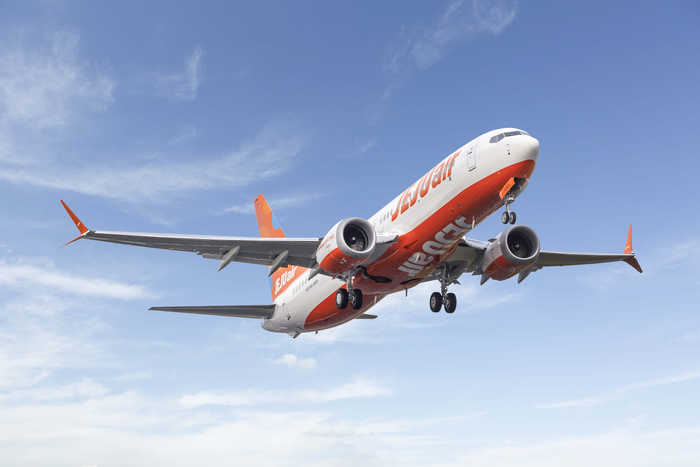
Jeju Air, a Korean low-cost carrier (LCC) led by CEO Kim I-bae, reported a 24.2% year-on-year increase in load factor, reaching 91.9%. This growth was highlighted in a trial service on the Incheon–Jeju route starting May 12. According to Airportal, Jeju Air carried 3,311,358 passengers in the first quarter of the year, making it the highest among Korean LCCs. The article also mentions the aviation information portal of the Ministry of Land, Infrastructure and Transport, further validating these statistics.
Key Points:
- Jeju Air experienced a 24.2% year-on-year increase in load factor, reaching 91.9%.
- The airline carried 3,311,358 passengers in the first quarter of the year, the highest among Korean LCCs.
- Jeju Air launched a trial service on the Incheon–Jeju route starting May 12.
- Airportal, an aviation information portal of the Ministry of Land, Infrastructure and Transport, confirmed these figures.
Actionable Takeaways:
-
Increased Load Factor and Passenger Numbers: Jeju Air’s 24.2% increase in load factor and its position as the top LCC in passenger numbers indicate strong market performance. This suggests that the airline’s strategies, such as its trial service on the Incheon–Jeju route, are effectively attracting more passengers. For other travel companies, this highlights the importance of innovative route offerings and efficient operations to boost load factors and passenger volumes.
-
Innovation in Route Services: The launch of a trial service on the Incheon–Jeju route demonstrates Jeju Air’s commitment to expanding its service offerings. This move could set a precedent for other airlines to explore new routes and services to attract more customers. For startups and established airlines alike, this underscores the potential benefits of strategic route expansions in driving growth and market share.
Contextual Insights:
The article reflects the current trend in the travel industry towards increased efficiency and service innovation, particularly among low-cost carriers. With the rise of digital platforms and improved connectivity, LCCs like Jeju Air are leveraging technology to enhance operational efficiency and customer experience. This aligns with broader industry insights that emphasize the importance of data-driven decision-making and customer-centric strategies in navigating competitive markets. As travel technology continues to evolve, airlines that invest in innovative services and operational improvements are likely to gain a competitive edge. The focus on load factor and passenger numbers also highlights the ongoing emphasis on profitability and operational efficiency in the airline sector.
Read the Complete Article.




