




Comprehensive Summarization:
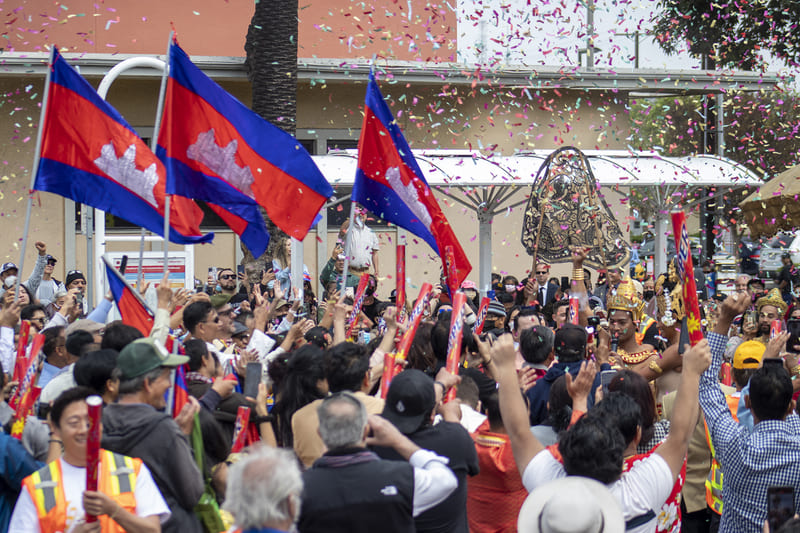
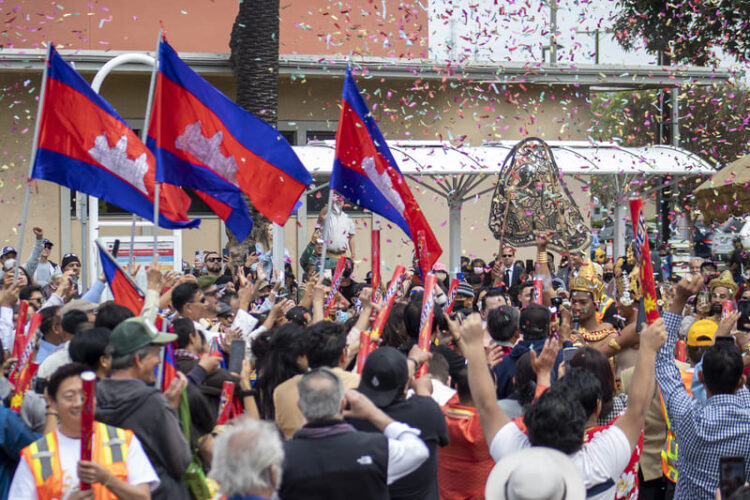
Cambodia welcomed over 71,000 foreign tourists during its three-day traditional New Year holiday, known as Khmer New Year, celebrated from April 14 to 16. According to the Ministry of Tourism, this holiday created a lively atmosphere with activities across the country, attracting tens of thousands of international tourists. The traditional New Year is Cambodia’s largest annual holiday, marked by religious ceremonies, celebrations, and travel to leisure destinations.
Key Points:
- Cambodia recorded 71,191 foreign tourists during the Khmer New Year holiday.
- The holiday, celebrated from April 14 to 16, created a lively atmosphere with activities across the country.
- The traditional New Year is Cambodia’s largest annual holiday, featuring religious ceremonies, celebrations, and travel to leisure destinations.
Actionable Takeaways:
-
Tourism Boost: The significant increase in foreign tourists during the Khmer New Year holiday indicates a strong recovery in Cambodia’s tourism sector. Travel agencies and hospitality businesses should capitalize on this trend by offering special packages and promotions tailored to the holiday season.
-
Cultural Events as Marketing Opportunities: The success of the Khmer New Year holiday highlights the potential of cultural events as powerful marketing tools for tourism. Travel companies can collaborate with local authorities to promote similar cultural events throughout the year to attract more tourists.
-
Importance of Seasonal Travel Planning: The article underscores the importance of planning travel around seasonal events. Travel startups and fintech companies can develop innovative solutions to help tourists plan and book trips around such events, ensuring they get the best deals and experiences.
Contextual Insights:
The article reflects the current trend of leveraging cultural and religious holidays to boost tourism. As the travel industry continues to recover from the impacts of the COVID-19 pandemic, such events present unique opportunities for destinations to attract visitors. Thought leaders in the travel sector emphasize the importance of integrating cultural experiences into travel itineraries, as they not only enhance the tourist experience but also contribute to the local economy. Furthermore, the data suggests that destinations with rich cultural heritage can benefit significantly from promoting such holidays, making it a key strategy for sustainable tourism growth.
Read the Complete Article.






