























Travel Capitalist Ventures Expands Check Size to $10 Million to Deepen Emerging Market Conviction
Boutique Travel VC raises investment cap from $1.5M to $10M to lead rounds and support portfolio companies through growth Travel...
Read moreDetails
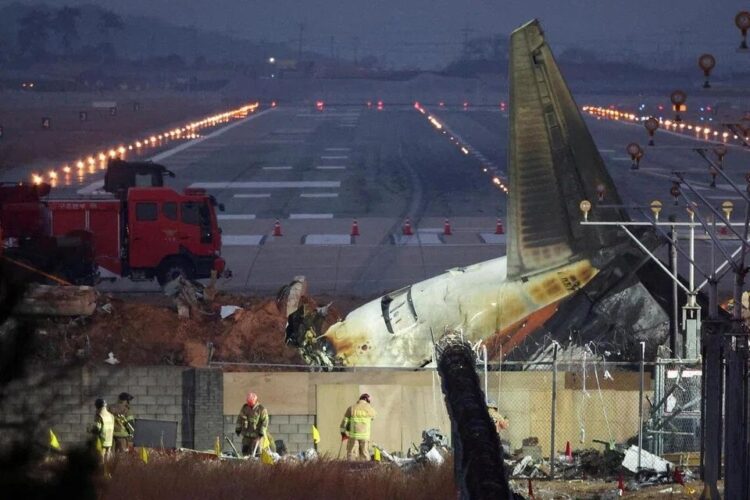
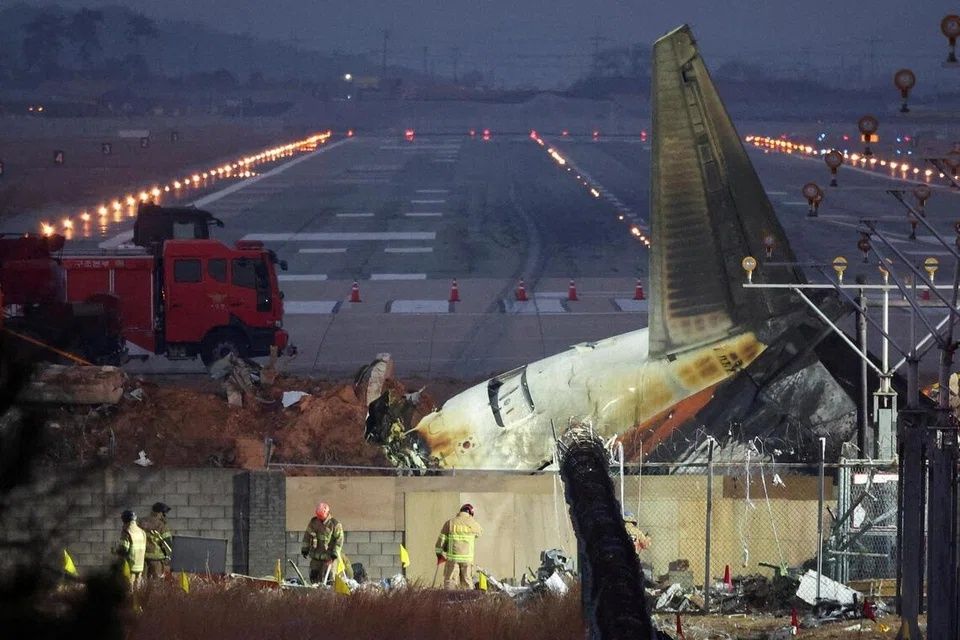
The wreckage of the Jeju Air aircraft that went off the runway and crashed at Muan International Airport in South Korea, as seen on Dec 30, 2024. -- PHOTO: REUTERS
Comprehensive Summarization:
South Korea has initiated a large-scale, precision search at the site of the Dec 29, 2024, Jeju Air crash at Muan International Airport in South Jeolla province, as announced by the Ministry of National Defence on April 13. The government has decided to conduct this search in consultation with bereaved families, aiming to ensure the recovery of all remains and related evidence. This action underscores the government’s commitment to thoroughness and respect for the families affected by the tragic incident.
Key Points:
Actionable Takeaways:
Enhanced Search Techniques: The adoption of a large-scale, precision search methodology at the crash site indicates a commitment to utilizing advanced technology and resources to ensure a thorough investigation. This approach could set a precedent for future crash investigations, potentially leading to improved protocols and methodologies in the aviation industry.
Importance of Family Consultation: The decision to consult bereaved families throughout the search process highlights a sensitive and respectful approach to handling such tragedies. This practice could become a standard in future investigations, ensuring that the emotional and logistical needs of families are considered and addressed.
Contextual Insights:
The renewed search at the crash site reflects the ongoing commitment of South Korea to thoroughness and respect in handling aviation tragedies. This action is particularly noteworthy in the context of recent advancements in search and rescue technologies, which have enabled more precise and efficient investigations. The emphasis on family consultation also aligns with current trends in crisis management, where empathy and respect for affected individuals are paramount. Looking forward, this approach could influence international standards for crash investigations, promoting a more humane and thorough response to aviation disasters globally. Additionally, the focus on recovering all remains and evidence underscores the importance of comprehensive data collection in aviation safety assessments, potentially leading to better-informed decisions in aircraft design and operational protocols.
Read the Complete Article.
Boutique Travel VC raises investment cap from $1.5M to $10M to lead rounds and support portfolio companies through growth Travel...
Read moreDetails




