












Article Summary:
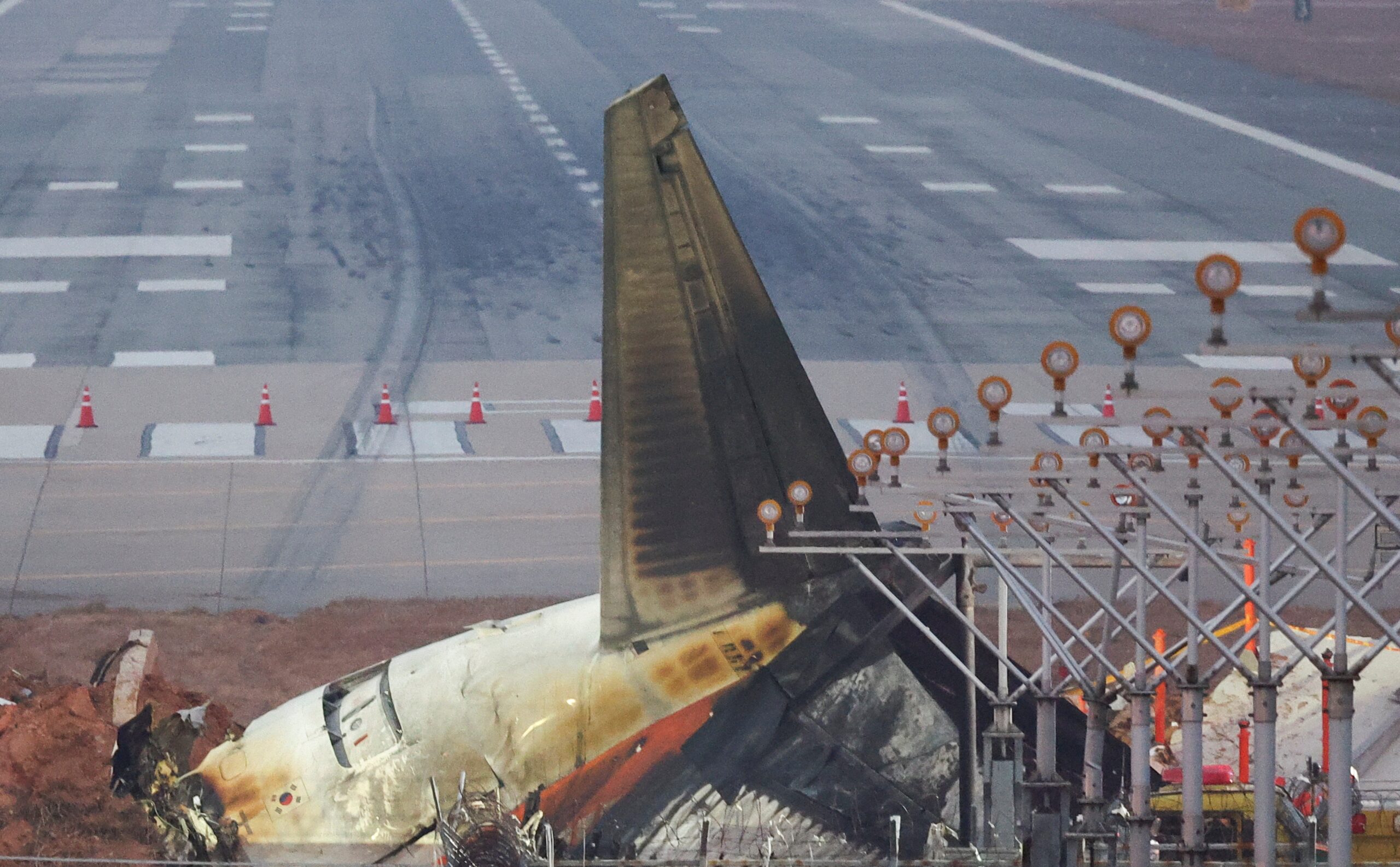
South Korea has ordered an independent inquiry into the December 2024 crash of Jeju Air flight 631, which killed 179 people. The 18-member panel will investigate possible causes, including bird strikes, engine failures, and the embankment the aircraft struck at the end of the runway. The investigation will also examine whether government agencies attempted to cover up findings during the official probe. The crash prompted the parliament to pass a bill establishing the inquiry, raising concerns over infrastructure safety and the effectiveness of government agencies in aviation accidents.
Key Points:
- Crash Investigation: South Korea’s parliament has established an independent 18-member panel to investigate the Jeju Air flight crash that killed 179 people in December 2024.
- Investigation Scope: The inquiry will examine possible causes, including bird strikes, engine failures, and the embankment the aircraft struck at the end of the runway.
- Government Probe: The investigation will also look into whether government agencies attempted to cover up findings during the official probe.
- Interim Report Findings: The government-led Aviation and Railway Accident Investigation Board’s interim report found that both engines sustained bird strikes, but the left engine was shut down despite sustaining less damage than the right, which could have allowed the plane to remain airborne.
- Infrastructure Concerns: Experts noted that the embankment supporting airport navigation equipment did not meet global standards designed to give way safely during impact, raising concerns over infrastructure safety.
Actionable Takeaways:
- Enhanced Safety Standards: The investigation highlights the need for stricter adherence to global safety standards for airport infrastructure, particularly embankments supporting navigation equipment. Airlines and governments should conduct comprehensive reviews and upgrades to prevent similar incidents.
- Transparency in Accident Investigations: The inquiry into the Jeju Air crash underscores the importance of transparency and thoroughness in accident investigations. Governments and regulatory bodies must ensure that all findings are thoroughly examined and reported to prevent future occurrences and maintain public trust.
- Investment in Aviation Safety Technology: The findings suggest a potential gap in the effectiveness of engine shutdown procedures during bird strikes. Airlines should invest in advanced safety technologies and training to improve aircraft handling in such scenarios, reducing the risk of engine failure and subsequent crashes.
Contextual Insights:
The crash of Jeju Air flight 631 in December 2024 has prompted South Korea to take significant steps to enhance aviation safety and accountability. This incident is a stark reminder of the critical importance of rigorous safety protocols and thorough investigations in the aviation industry. The establishment of an independent inquiry reflects a commitment to transparency and accountability, which are essential for rebuilding public trust in the aftermath of such tragedies. As the travel industry continues to evolve, with increasing reliance on technology and global travel, ensuring the safety and reliability of aviation infrastructure remains paramount. Stakeholders, including airlines, regulatory bodies, and governments, must collaborate to address identified vulnerabilities and implement robust safety measures to prevent future incidents.
Read the Complete Article.


