






Sail Through Time: Discover the Timeless Wonders of Upper Egypt Aboard Kenzy Dahabeya
Experience the magic of the Nile aboard Kenzy Dahabeya, a luxury boutique sailing cruise that offers an unforgettable journey between...
Read moreDetails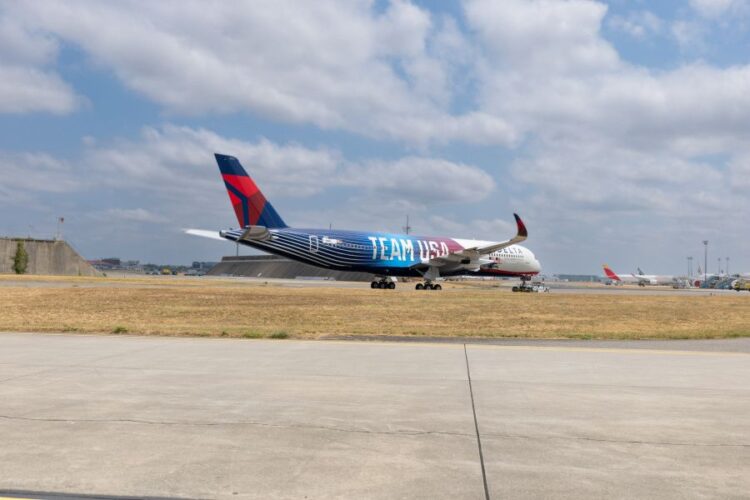
Delta Air Lines Joins JetBlue, and British Airways in Abandoning Gatwick- What’s Next for Your Fligh...
Article Summary:
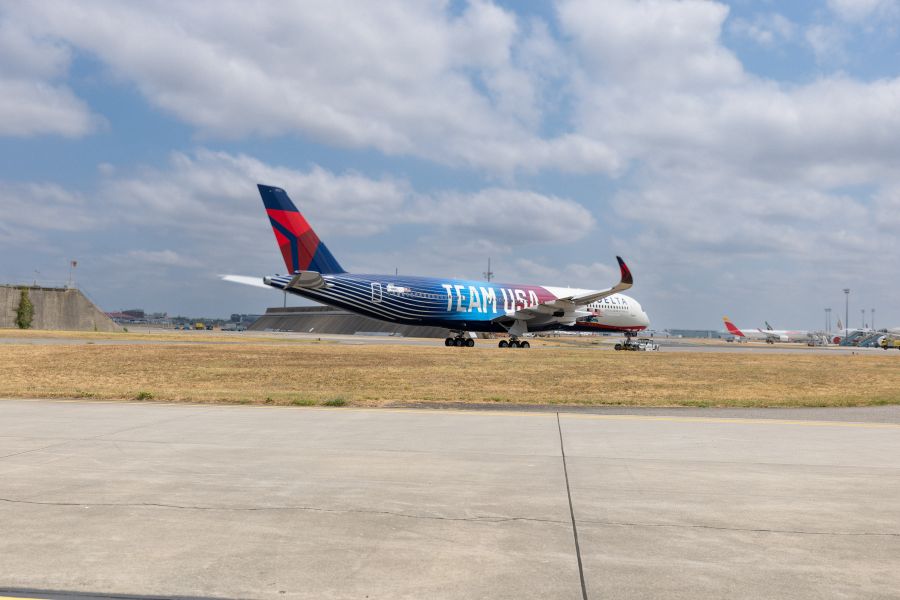
Delta Air Lines has discontinued its seasonal JFK-London Gatwick (LGW) service, concluding a 15-year hiatus. This decision follows JetBlue and British Airways’ recent withdrawals from the route. The article, published on November 18, 2025, by Paramita Sarkar, highlights the evolving landscape of transatlantic travel and the potential implications for travelers and the aviation industry.
Key Points:
Actionable Takeaways:
Contextual Insights:
The discontinuation of the JFK-LGW route reflects broader trends in the aviation industry, such as the increasing focus on operational efficiency and the impact of geopolitical factors on travel routes. With the rise of low-cost carriers and the growing emphasis on sustainable aviation, airlines are continually reevaluating their networks to optimize routes and reduce costs. This development underscores the importance of adaptability and innovation in maintaining competitive advantage in the travel sector. Additionally, the shift may encourage further exploration of alternative routes and partnerships to ensure connectivity between major hubs, aligning with the industry’s ongoing evolution towards more efficient and passenger-centric travel solutions.
Read the Complete Article.
Experience the magic of the Nile aboard Kenzy Dahabeya, a luxury boutique sailing cruise that offers an unforgettable journey between...
Read moreDetails



