
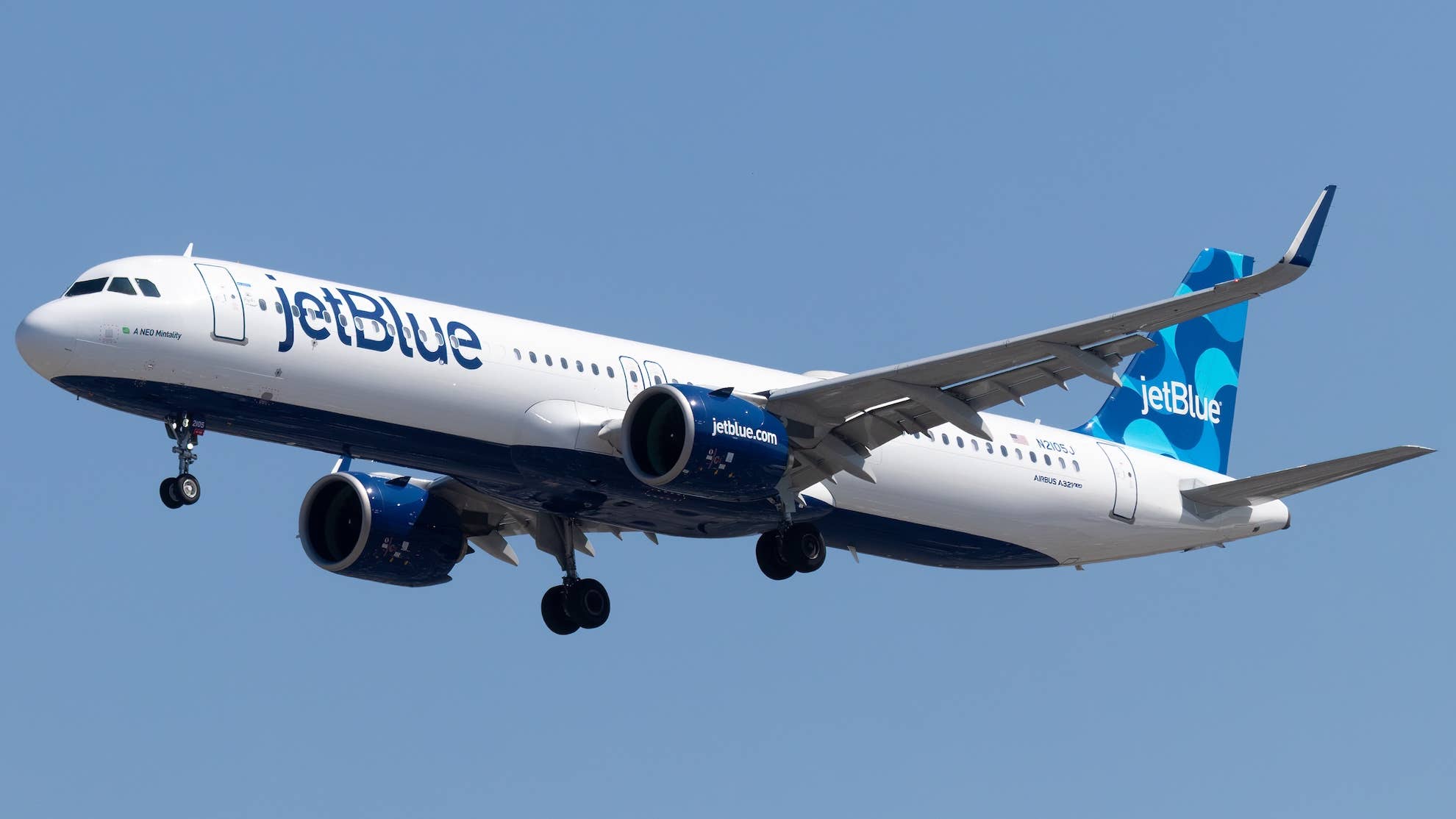
JetBlue Introduces Cheaper First-Class Options in Basic Premium Trend
THE NEWS: JetBlue announced it is unbundling its premium cabins to offer a “Basic Premium” fare and will launch a...
Read moreDetails
US DOT approves JetBlue-United partnership
The U.S. Department of Transportation (DOT) has officially approved the proposed partnership between JetBlue Airways and United Airlines, a move poised to reshape the competitive landscape of the American aviation industry. This landmark decision, after a period of intense scrutiny and debate, grants the two carriers the freedom to codeshare and coordinate their networks, aiming to offer expanded route options and potentially more competitive pricing for consumers, particularly in specific underserved markets.
At its core, the partnership, often referred to as the "Northeast Alliance," focuses on enhancing connectivity and service in key hubs like New York (JFK, EWR) and Boston (BOS). By pooling their resources and aligning their flight schedules, JetBlue and United anticipate creating a more seamless travel experience for passengers. This includes the ability for customers to book flights across both airlines’ networks, accrue loyalty points on either carrier, and enjoy greater flexibility when traveling between the two participating airlines.
Proponents of the alliance argue that it will unlock new travel possibilities, especially for those seeking direct flights or more convenient connections to smaller, less-served cities. By leveraging United’s extensive domestic and international network alongside JetBlue’s strong presence in the Northeast, the airlines aim to provide a compelling alternative to existing carrier duopolies. This could translate into improved service levels, more competitive fares on certain routes, and a more efficient use of airport infrastructure.
However, the approval is not without its critics. Concerns have been raised by other industry players and consumer advocacy groups regarding the potential for reduced competition and higher prices in the long run. The DOT, in its decision, acknowledged these concerns and stated that it will continue to monitor the impact of the alliance closely. Conditions have been attached to the approval, requiring the airlines to maintain a certain level of competition and to report regularly on their performance and pricing strategies.
For the travel industry, this partnership represents a significant shift. It signals a growing trend towards strategic alliances and network sharing as airlines seek to optimize operations and capture market share in an increasingly dynamic environment. The success of the JetBlue-United alliance will likely be closely watched by other carriers, potentially paving the way for further collaborations and mergers in the future. As the alliance rolls out, travelers can expect to see new fare options and expanded route maps, with the ultimate test being whether it delivers on its promise of enhanced choice and value.
Key Points:
Read the Complete Article.
THE NEWS: JetBlue announced it is unbundling its premium cabins to offer a “Basic Premium” fare and will launch a...
Read moreDetails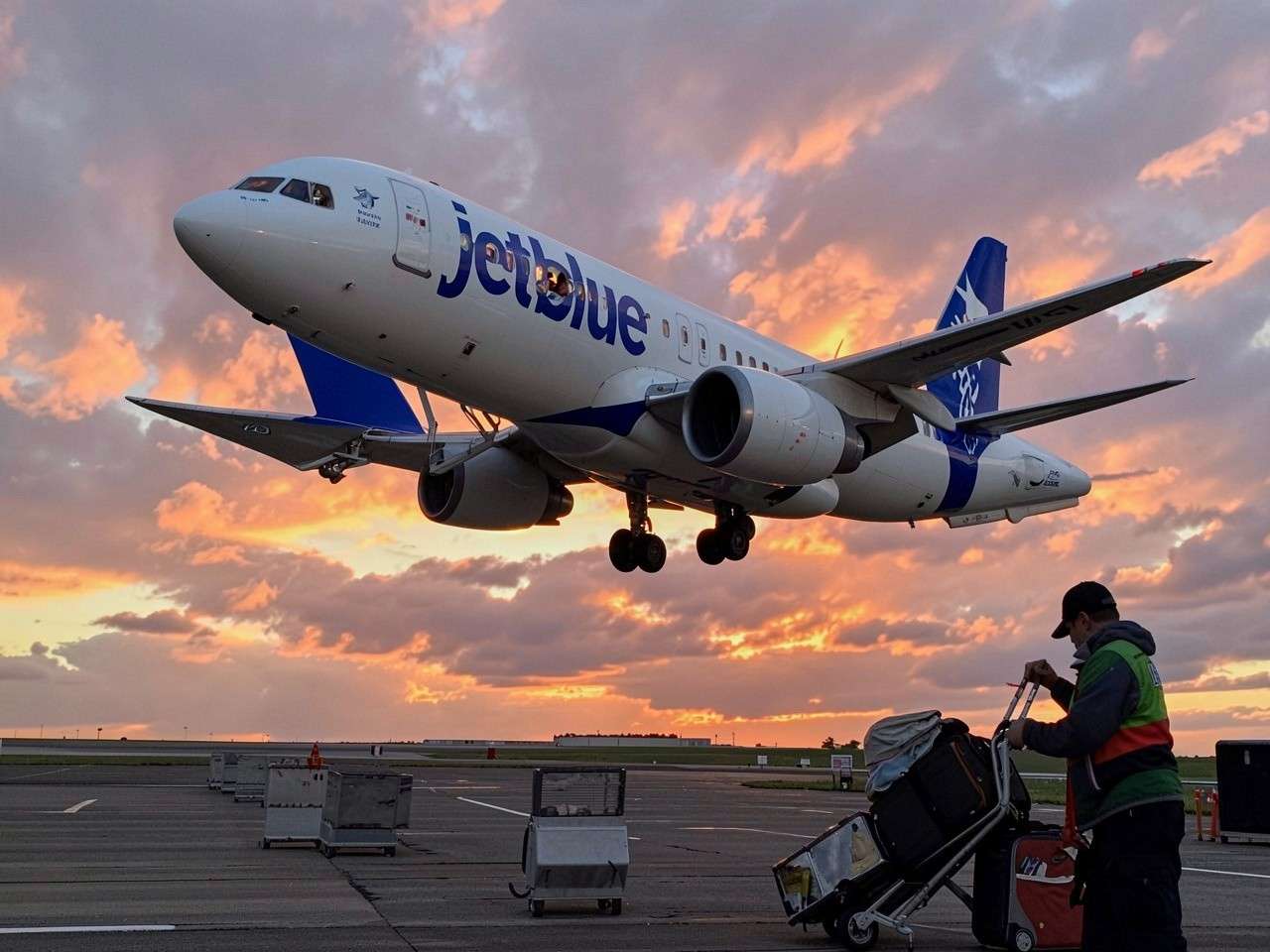
Experience the magic of the Nile aboard Kenzy Dahabeya, a luxury boutique sailing cruise that offers an unforgettable journey between...
Read moreDetails





