
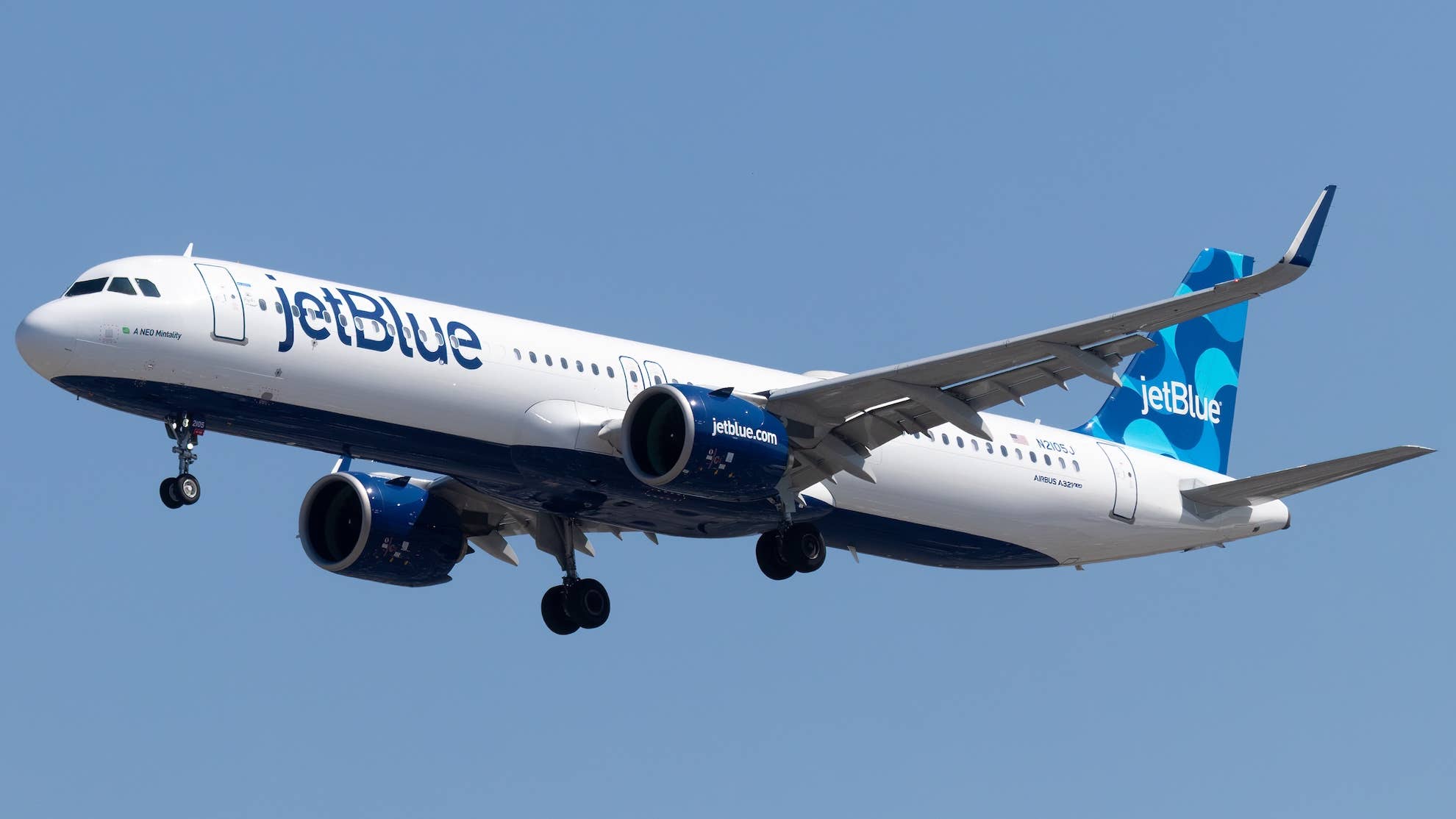
JetBlue Introduces Cheaper First-Class Options in Basic Premium Trend
THE NEWS: JetBlue announced it is unbundling its premium cabins to offer a “Basic Premium” fare and will launch a...
Read moreDetails
A prominent advocacy group is calling on the U.S. Department of Transportation (DOT) to reconsider its approval of the commercial alliance between United Airlines and Brazil’s Azul Linhas Aéreas Brasileiras, citing concerns that the partnership could stifle competition, mirroring the potential negative impacts of the recently approved JetBlue-Spirit Airlines merger. The advocacy group, the Center for Economic and Policy Research (CEPR), argues that the DOT’s lenient approach to airline consolidation has already created an environment where such partnerships can lead to reduced consumer choice and higher fares, particularly on international routes.
CEPR’s critique centers on the notion that these alliances, while seemingly aimed at improving customer experience through network integration, ultimately serve to consolidate market power among major carriers. In the case of United and Azul, the partnership allows the two airlines to coordinate on pricing, scheduling, and capacity, effectively acting as a single entity on routes between the United States and Brazil. This coordination, critics contend, limits the ability of other airlines, especially smaller or newer entrants, to compete effectively.
The group draws a direct parallel to the JetBlue-Spirit merger, which, despite promises of increased competition through JetBlue’s low-cost model, has raised significant antitrust concerns. CEPR suggests that if the DOT allows the United-Azul partnership to proceed without closer scrutiny, it will further entrench the dominance of large legacy carriers and their allies, making it even more challenging for consumers to find affordable travel options.
The core argument is that these "commercial alliances" or "joint ventures" function similarly to mergers by reducing the number of independent decision-makers in the market. When airlines coordinate their strategies so closely, they have less incentive to offer competitive prices or innovative services. This lack of genuine competition can lead to fare hikes, fewer flight options, and a diminished overall travel experience for consumers.
CEPR’s stance underscores a growing concern within the travel industry and among consumer watchdogs about the cumulative effect of airline consolidation and partnerships. The group is urging the DOT to adopt a more stringent and proactive approach to reviewing these arrangements, prioritizing consumer welfare and a competitive marketplace over the perceived efficiencies offered by airline collaborations. They believe that a re-evaluation of the United-Azul deal is crucial to prevent further erosion of competition in the airline sector, particularly on vital international corridors.
Read the Complete Article.
THE NEWS: JetBlue announced it is unbundling its premium cabins to offer a “Basic Premium” fare and will launch a...
Read moreDetails
Experience the magic of the Nile aboard Kenzy Dahabeya, a luxury boutique sailing cruise that offers an unforgettable journey between...
Read moreDetails





