





Sail Through Time: Discover the Timeless Wonders of Upper Egypt Aboard Kenzy Dahabeya
Experience the magic of the Nile aboard Kenzy Dahabeya, a luxury boutique sailing cruise that offers an unforgettable journey between...
Read moreDetails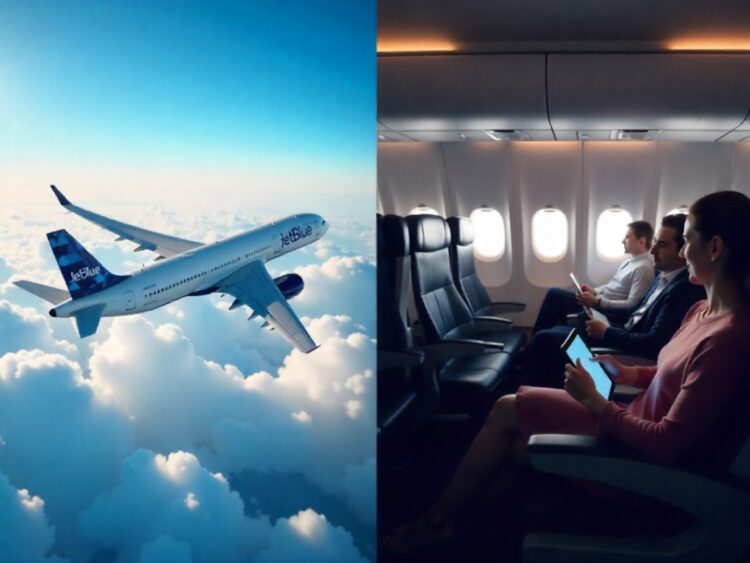
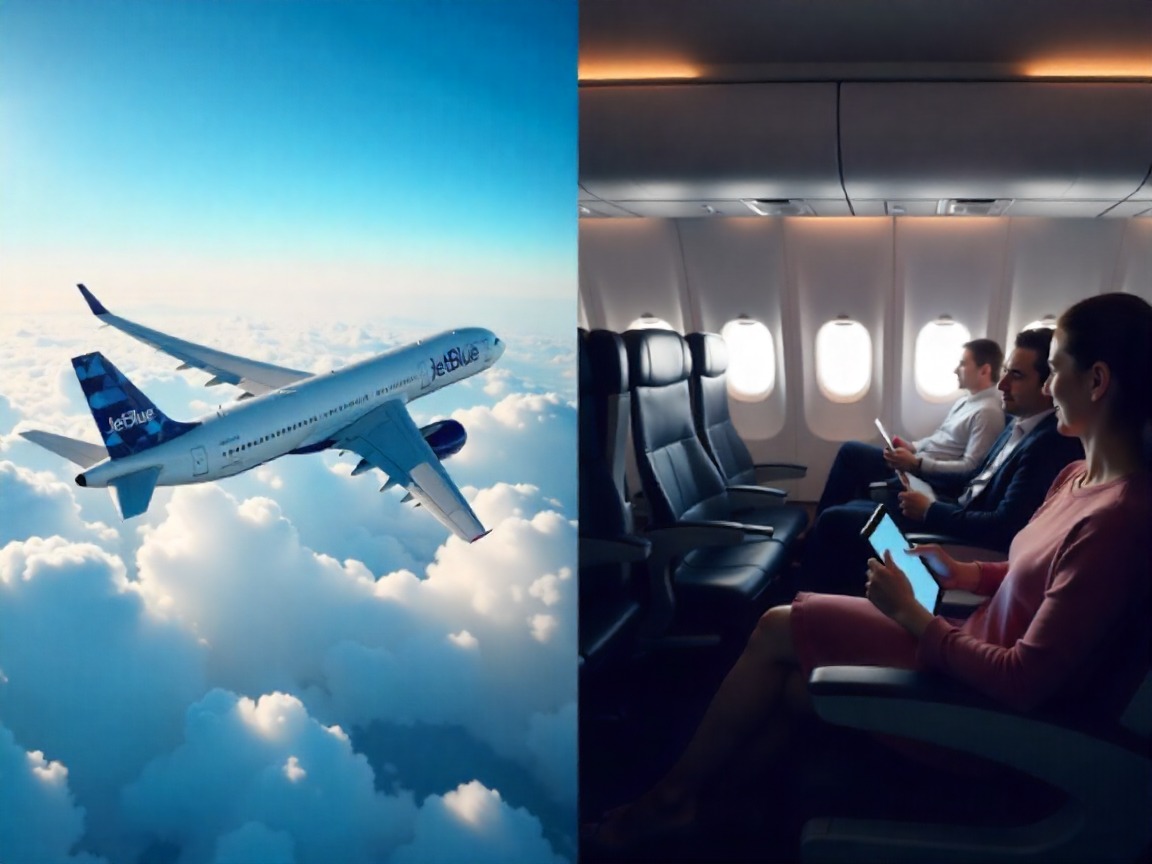
JetBlue’s Economy Class Ranks Among the Best in the U.S. in 2025, While U.S. Inbound Tourism Faces a...
Article Summary:
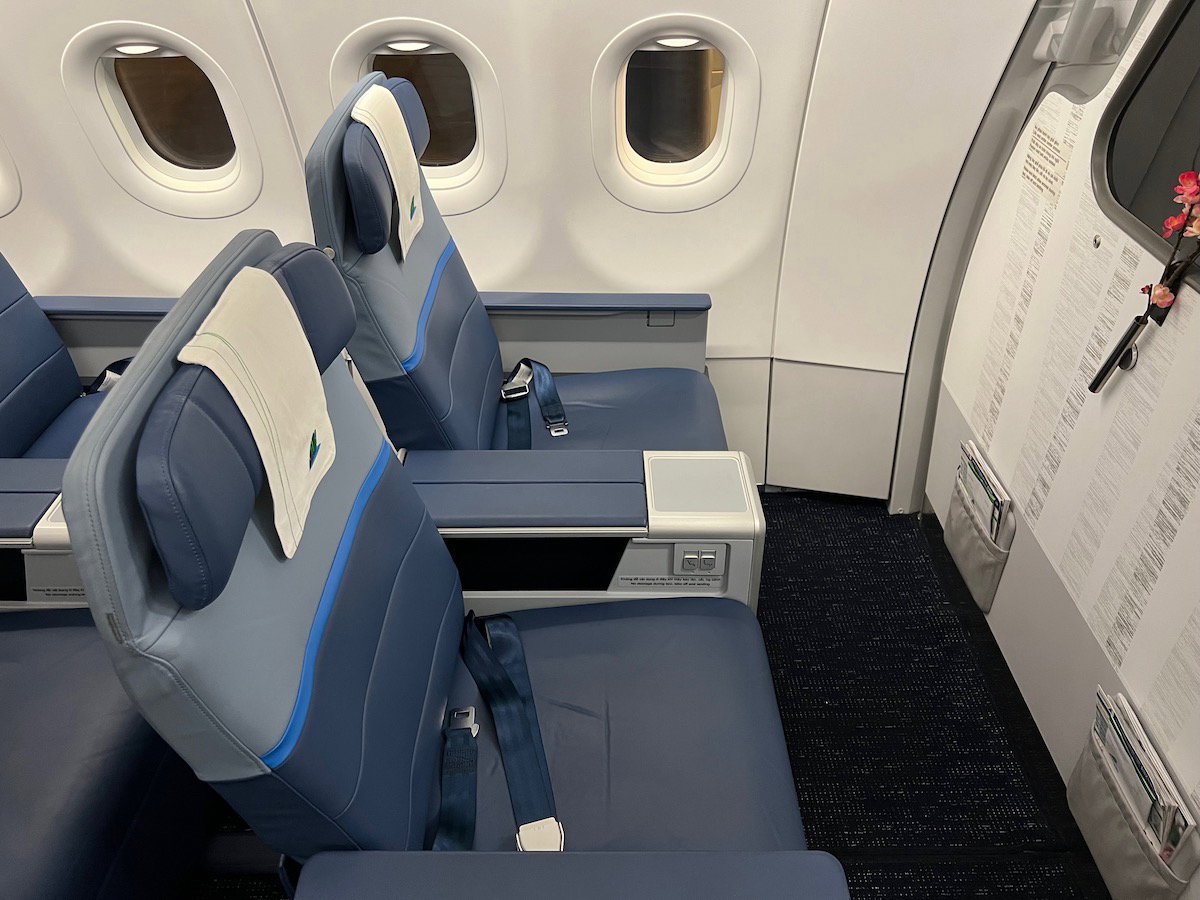
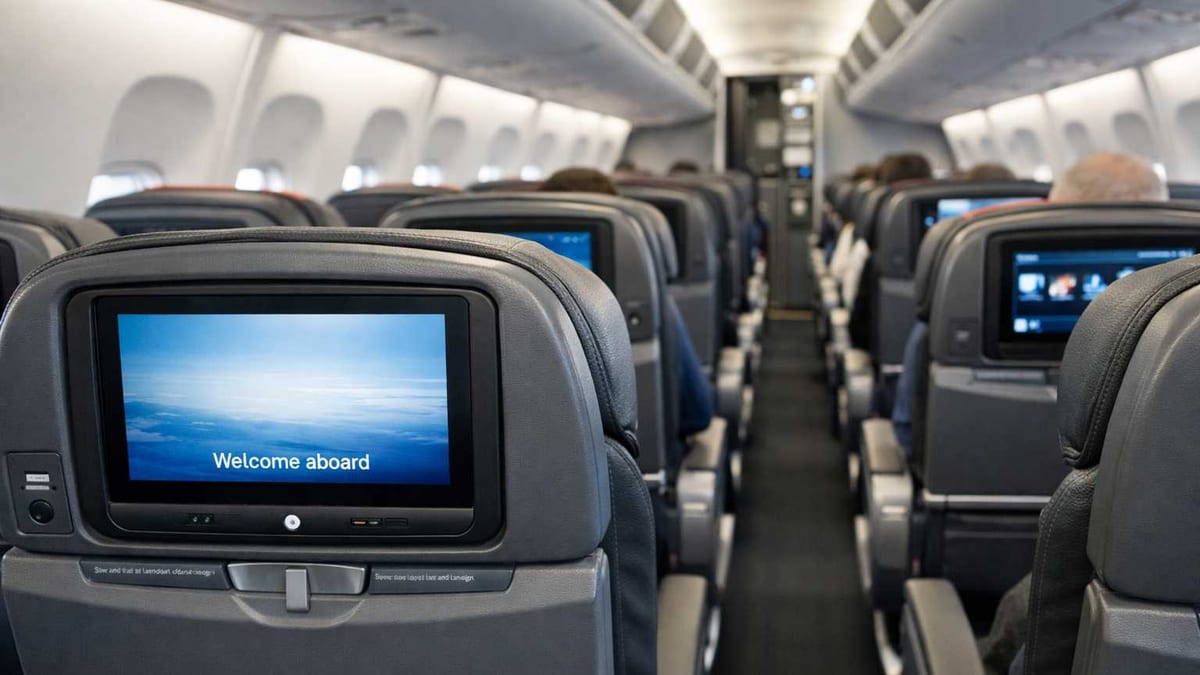
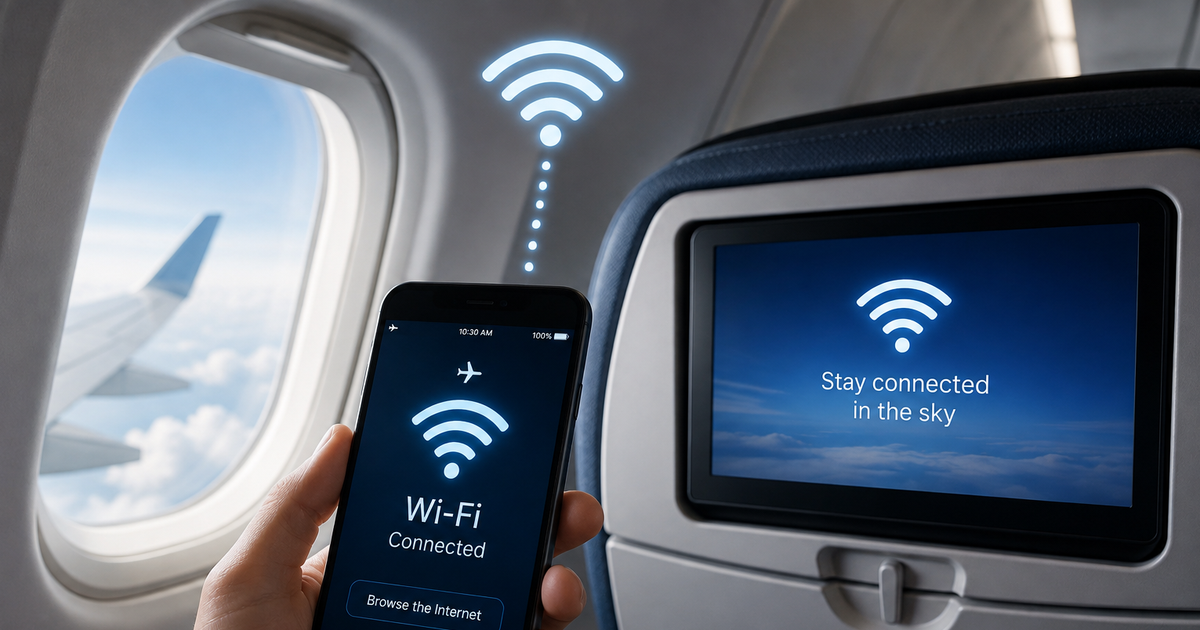
JetBlue’s economy class cabins have been ranked among the best in the U.S. for 2025, thanks to features such as generous legroom, complimentary Wi-Fi, and thoughtful amenities. This advancement comes as inbound tourism to the United States faces a decline, posing challenges to the growth of the hospitality sector.
Key Points:
Actionable Takeaways:
Contextual Insights:
The article reflects the ongoing challenges faced by the U.S. travel industry, particularly the decline in inbound tourism, which is a critical driver for the hospitality sector. JetBlue’s focus on enhancing the economy class experience highlights a broader trend in the airline industry towards improving passenger comfort and service quality. This strategic shift is indicative of a broader industry trend where airlines are leveraging technology and amenities to differentiate their offerings and retain market share. As inbound tourism declines, airlines that invest in passenger-centric innovations are better positioned to adapt and thrive in a competitive landscape. This context emphasizes the need for continuous innovation and adaptation in travel tech and services to sustain growth and meet evolving consumer expectations.
Read the Complete Article.
Experience the magic of the Nile aboard Kenzy Dahabeya, a luxury boutique sailing cruise that offers an unforgettable journey between...
Read moreDetails



