










Sail Through Time: Discover the Timeless Wonders of Upper Egypt Aboard Kenzy Dahabeya
Experience the magic of the Nile aboard Kenzy Dahabeya, a luxury boutique sailing cruise that offers an unforgettable journey between...
Read moreDetails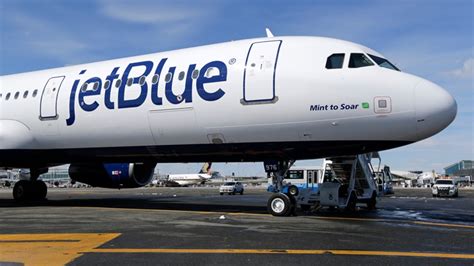
JetBlue Flight from Mexico Makes Emergency Landing, Impacting U.S. Tourism and Hospitality Sector
Article Summary:
JetBlue Flight 1230, originating from Cancun, Mexico, and en route to Newark, New Jersey, experienced a sudden altitude drop on October 30, 2025, prompting an emergency landing at Tampa International Airport. The Airbus A320, carrying 162 passengers, diverted to Tampa after encountering a flight control issue. This incident highlights the importance of robust flight control systems and emergency protocols in the airline industry, with potential implications for U.S. tourism and hospitality sectors.
Key Points:
Actionable Takeaways:
Contextual Insights:
The incident with JetBlue Flight 1230 is a stark reminder of the critical role that technology and preparedness play in the airline industry. Recent trends indicate a growing emphasis on technological advancements to enhance safety and operational efficiency. Innovations such as real-time flight monitoring systems and improved emergency protocols are becoming standard in the industry. This event also highlights the interconnectedness of the travel ecosystem, where disruptions in one sector can have broader implications for tourism and hospitality. As the industry continues to evolve, stakeholders must stay abreast of emerging trends and adapt to ensure resilience and sustainability.
Read the Complete Article.
Experience the magic of the Nile aboard Kenzy Dahabeya, a luxury boutique sailing cruise that offers an unforgettable journey between...
Read moreDetails



