
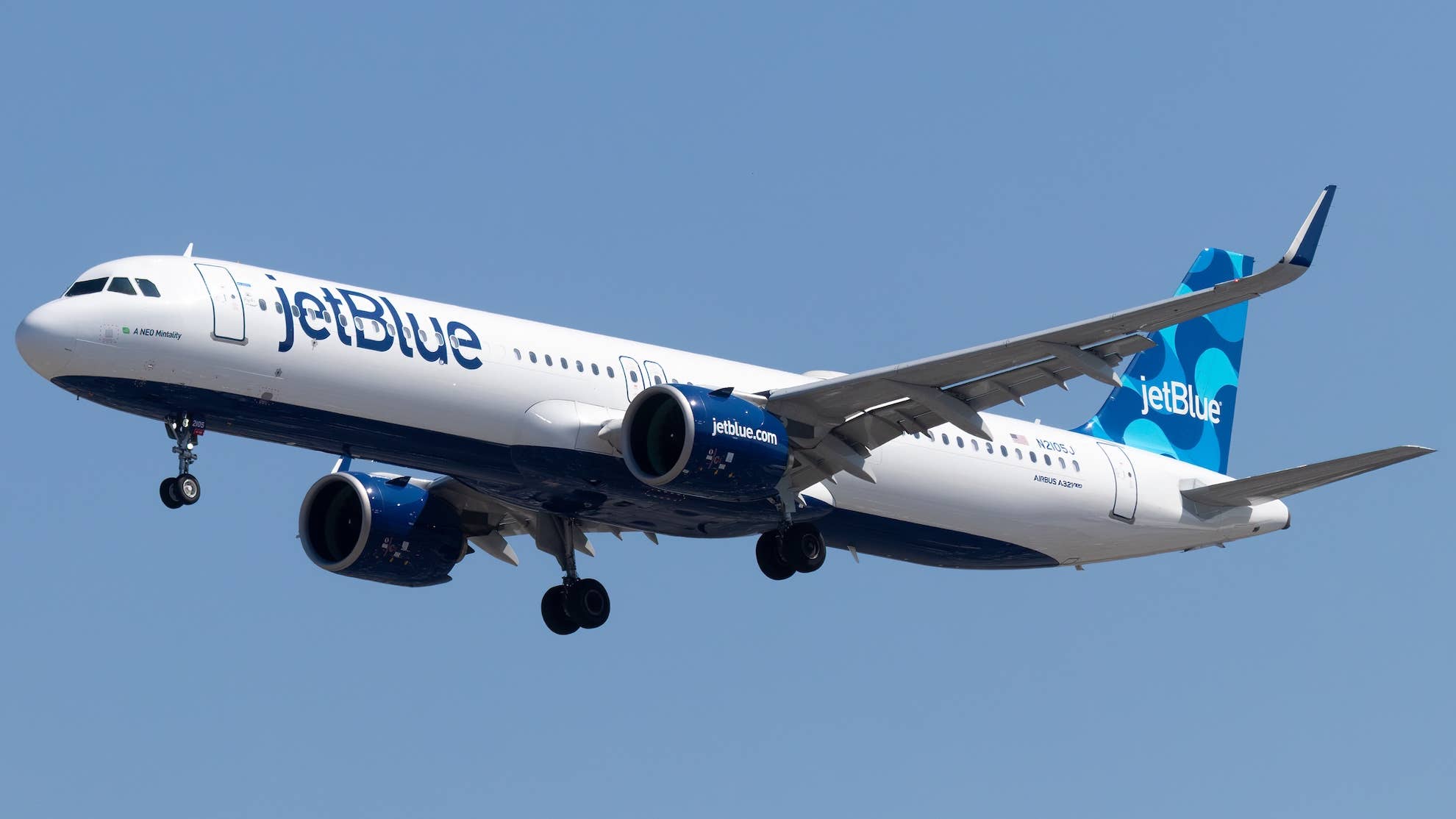
JetBlue Introduces Cheaper First-Class Options in Basic Premium Trend
THE NEWS: JetBlue announced it is unbundling its premium cabins to offer a “Basic Premium” fare and will launch a...
Read moreDetails
JetBlue projects new growth era powered by better-than-expected grounded aircraft forecast | News
JetBlue Airways is signaling a new era of growth, fueled by a surprisingly positive outlook on its grounded aircraft fleet. The airline anticipates a significant boost in capacity, directly stemming from a more optimistic assessment of its Airbus A320neo and A321neo aircraft previously taken out of service due to engine issues. This strategic shift promises to reshape JetBlue’s operational landscape and revenue potential in the coming periods.
The core of this positive projection lies in JetBlue’s refined understanding of the engine maintenance requirements for its new-generation Airbus narrowbodies. While initial projections were more conservative, detailed analysis has led the carrier to anticipate a faster-than-expected return to service for a substantial number of these aircraft. This means more planes flying, translating directly into increased available seat miles (ASMs) and, consequently, greater revenue-generating opportunities.
This improved fleet availability directly impacts JetBlue’s ability to meet growing demand and expand its route network. With more aircraft at its disposal, the airline can reintroduce capacity on key domestic and international routes, potentially enhancing its competitive position against rivals. The focus on these fuel-efficient, modern aircraft also aligns with JetBlue’s commitment to operational efficiency and potentially lower per-seat operating costs.
The implications for JetBlue’s financial performance are significant. Increased capacity typically leads to higher ticket sales and ancillary revenue. The airline’s management appears confident that this enhanced fleet utilization will contribute positively to both top-line revenue growth and profitability. This turnaround in fleet status is a crucial development, moving the airline from a challenging period of reduced capacity to one of renewed expansion.
JetBlue’s strategic advantage in this scenario comes from its significant investment in the A320neo family. By successfully resolving the initial operational hurdles, the airline is now poised to leverage the full benefits of these aircraft. The anticipation of returning more aircraft to service ahead of schedule is a testament to effective fleet management and engineering solutions. This development allows JetBlue to be more proactive in its capacity planning and market positioning.
The airline’s projections suggest a sustained period of growth supported by this enhanced fleet strength. Investors and industry observers will be closely watching JetBlue’s execution of this plan, as it could set a precedent for how other airlines manage similar fleet challenges. The ability to bring more aircraft online, particularly efficient models like the A320neo and A321neo, is a critical factor in navigating the competitive dynamics of the modern aviation industry. JetBlue’s optimistic outlook positions it for a stronger performance in the near to medium term.
Key Points
Read the Complete Article.
THE NEWS: JetBlue announced it is unbundling its premium cabins to offer a “Basic Premium” fare and will launch a...
Read moreDetails
Experience the magic of the Nile aboard Kenzy Dahabeya, a luxury boutique sailing cruise that offers an unforgettable journey between...
Read moreDetails






