
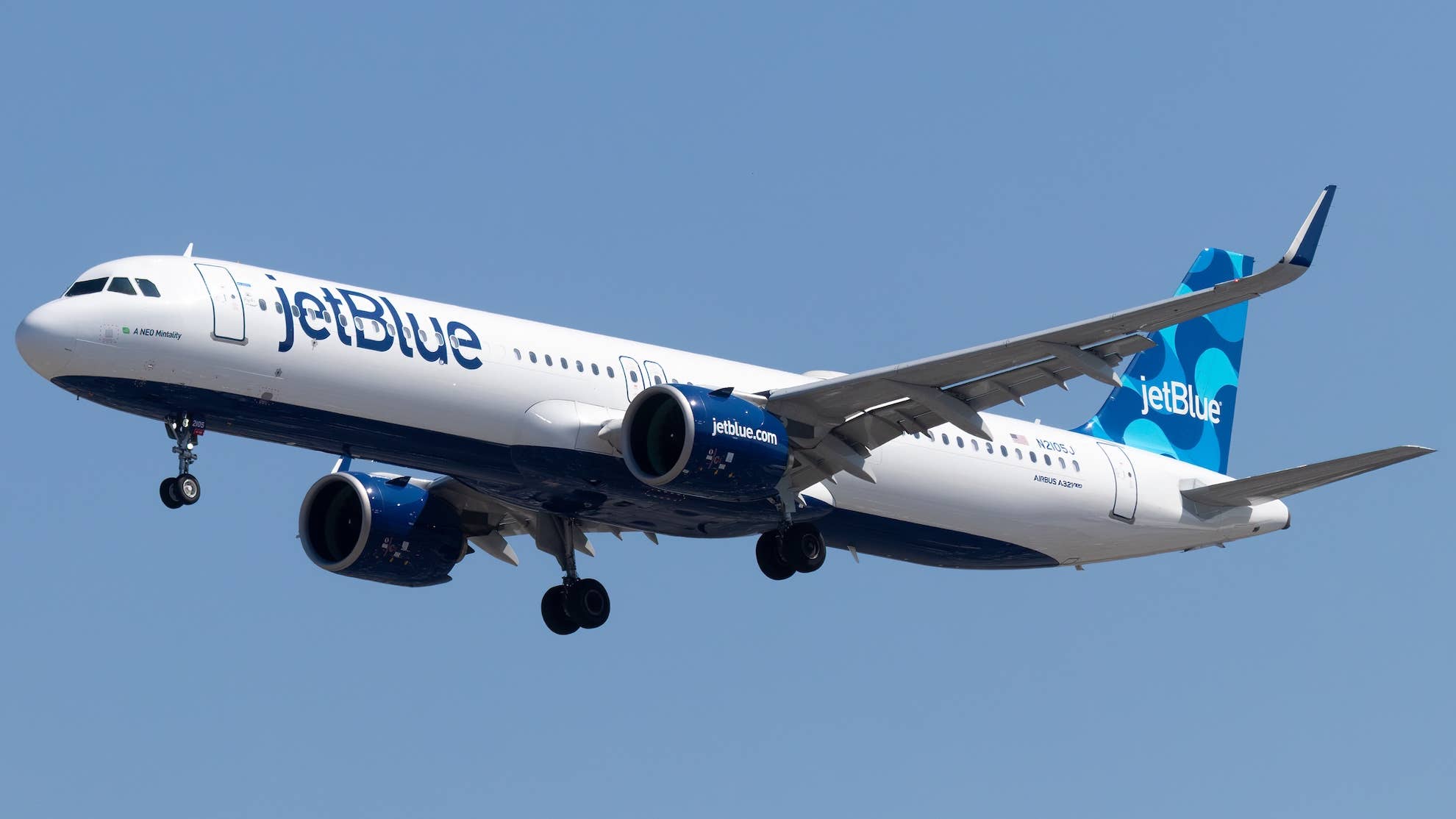
JetBlue Introduces Cheaper First-Class Options in Basic Premium Trend
THE NEWS: JetBlue announced it is unbundling its premium cabins to offer a “Basic Premium” fare and will launch a...
Read moreDetails
US low-fare sector struggling despite low fuel prices
Despite a significant tailwind from declining fuel prices, the US low-fare airline sector is experiencing considerable headwinds. This seemingly paradoxical situation highlights a complex interplay of factors impacting the profitability and growth of budget carriers. While consumers might expect cheaper flights due to lower operating costs, the reality on the ground paints a more nuanced picture for airlines focused on affordability.
The article from LaraNews.net delves into the core issues plaguing this segment of the aviation industry. A primary concern appears to be increased operational costs beyond fuel. These can include rising labor expenses, particularly for pilots and mechanics, as well as the cost of aircraft maintenance and upgrades. Furthermore, airlines are grappling with higher airport fees and taxes, which directly impact their bottom line and, by extension, the prices offered to consumers.
Another significant challenge is the intensifying competition within the low-fare market itself. As more carriers vie for a share of this lucrative segment, price wars can erode profit margins. While this benefits consumers in the short term, it can lead to a sustainability crisis for airlines if not managed effectively. The need to invest in fleet modernization and technological advancements also adds to the financial pressure.
Capacity management and route profitability are also critical considerations. Low-fare airlines often operate on thinner margins, making them more susceptible to fluctuations in demand and operational disruptions. Unexpected maintenance, weather delays, or economic downturns can disproportionately affect their ability to maintain profitability. The article suggests that airlines are working to optimize their networks, focusing on routes with proven demand and minimizing underperforming services.
The article also touches upon the evolving consumer expectations. While price remains a primary driver for low-fare customers, there’s a growing demand for a baseline level of service and reliability. Airlines that fail to meet these expectations, even at a low price point, risk losing customers to competitors. This necessitates a delicate balancing act between cost control and service delivery.
In essence, the US low-fare airline sector is in a battle to maintain profitability in an environment where lower fuel prices are offset by a multitude of other escalating costs and fierce competition. Success will likely hinge on operational efficiency, strategic network planning, and a keen understanding of evolving consumer needs.
Read the Complete Article.
THE NEWS: JetBlue announced it is unbundling its premium cabins to offer a “Basic Premium” fare and will launch a...
Read moreDetails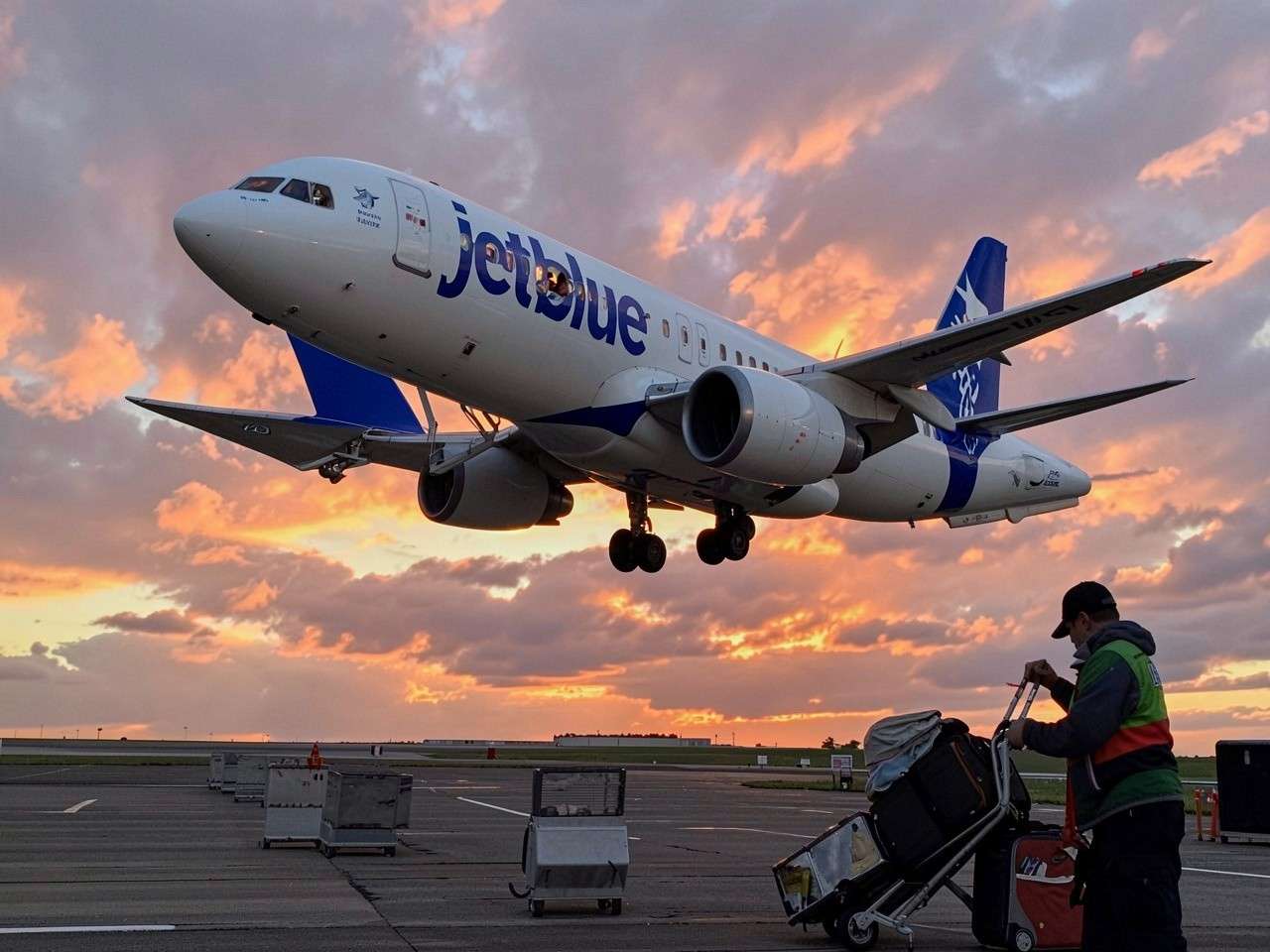
Experience the magic of the Nile aboard Kenzy Dahabeya, a luxury boutique sailing cruise that offers an unforgettable journey between...
Read moreDetails





