












Comprehensive Summarization:
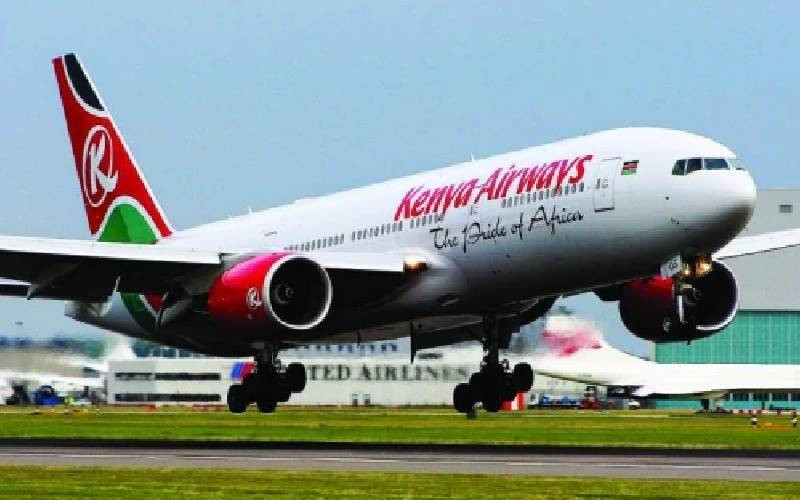
Kenya Airways, in a recent article, emphasizes that the airline’s survival is not solely dependent on its aircraft but also on the leadership’s ability to make sound judgments under pressure. The article highlights the importance of recovery in aviation, suggesting that true leadership in the industry is demonstrated by how effectively leaders respond to unexpected challenges in the sky. The piece underscores the need for a combination of technological advancements and strategic decision-making to navigate the complexities of the travel industry.
Key Points:
- Kenya Airways’ survival strategy involves more than just aircraft; it requires effective leadership under pressure.
- The true test of leadership in aviation is demonstrated during recovery efforts when faced with unexpected challenges.
- The article underscores the importance of combining technological advancements with strategic decision-making in the travel industry.
Actionable Takeaways:
-
Leadership Training for Crisis Management: Airlines should invest in leadership training programs that focus on decision-making and crisis management under pressure. This is crucial for maintaining operational efficiency and passenger safety during unexpected events.
-
Integration of Advanced Technologies: The article highlights the importance of technological advancements in aviation. Airlines should prioritize integrating cutting-edge technologies, such as AI for predictive maintenance and real-time navigation systems, to enhance operational resilience and safety.
-
Strategic Investment in Recovery Protocols: Airlines should develop and regularly update recovery protocols for unexpected situations in flight. This includes training crew members on emergency procedures and ensuring that backup systems are in place to handle unforeseen challenges effectively.
Contextual Insights:
The article reflects the current challenges faced by the aviation industry, particularly in maintaining safety and operational efficiency during unexpected disruptions. With the increasing complexity of air travel, the emphasis on leadership under pressure and technological integration is more relevant than ever. The insights provided align with current industry trends, where startups and established airlines alike are focusing on innovation and resilience to stay competitive. The focus on recovery protocols is particularly pertinent in light of recent global events that have highlighted the need for robust contingency planning in travel logistics.
Read the Complete Article.



