












Article Summary:
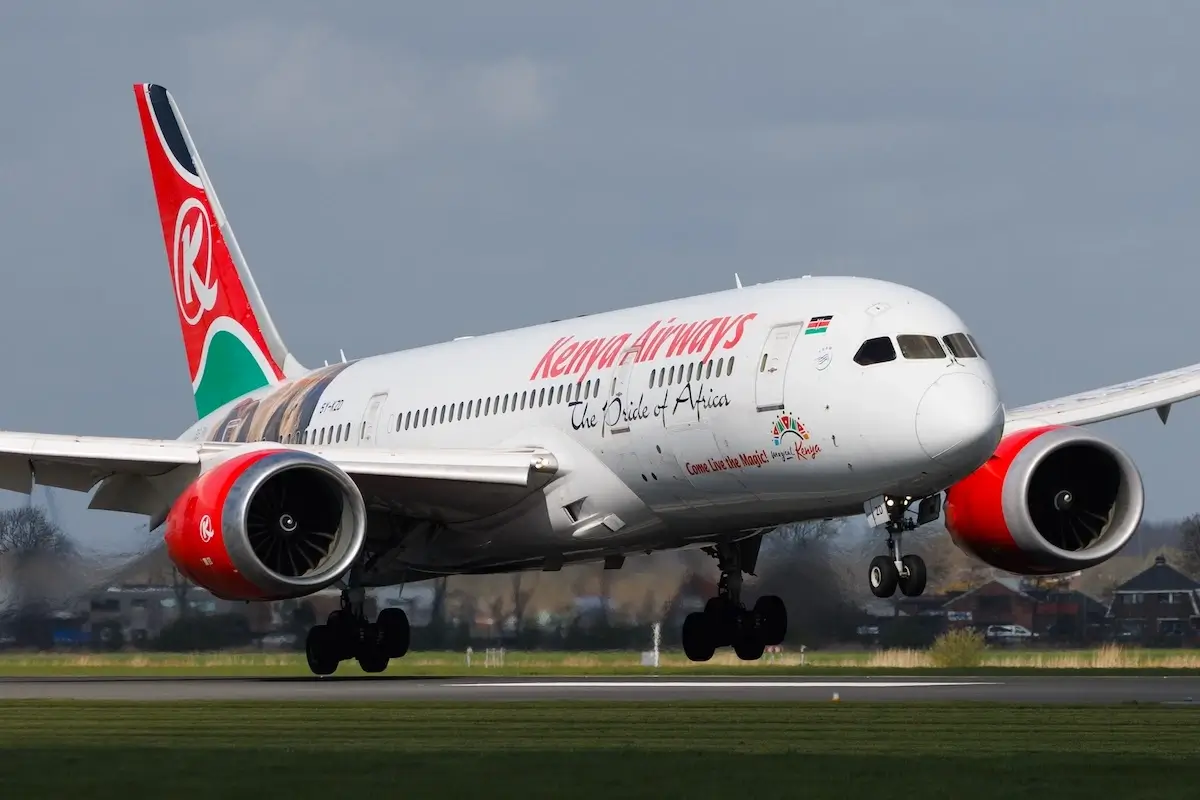
Kenya Airways is facing significant financial challenges, with its FY25 earnings projected to be 25% lower than FY24. This decline is primarily attributed to the ongoing grounding of three Boeing 787-8 aircraft, which have led to engine shortages and operational difficulties. The airline has issued a formal warning about its anticipated performance, emphasizing the ongoing impact of the Boeing 787 groundings on its financial health.
Key Points:
- Kenya Airways’ FY25 earnings are expected to be 25% lower than FY24 due to the grounding of three Boeing 787-8 aircraft.
- The grounding has resulted in engine shortages and broader operational challenges for the airline.
- The airline has issued a formal warning about its significantly worse performance in 2025, highlighting the persistent impact of the Boeing 787 groundings.
Actionable Takeaways:
- Operational Risk Management: Airlines should enhance their operational risk management strategies to mitigate the impact of aircraft groundings. This includes diversifying aircraft fleets and maintaining robust supply chains for critical components like engines. The grounding of Kenya Airways’ Boeing 787s underscores the vulnerability of airlines to aircraft-specific issues and the importance of operational resilience.
- Investment in Engine Supply Chains: Airlines should invest in securing stable supply chains for aircraft engines to prevent disruptions. This could involve strategic partnerships with engine manufacturers or exploring alternative suppliers to ensure continuity of operations during unexpected grounding events.
- Financial Resilience Planning: Given the projected decline in earnings, airlines should reassess their financial resilience plans. This includes budgeting for potential losses, exploring cost-saving measures, and considering strategic partnerships or investments to bolster financial stability during periods of operational challenges.
Contextual Insights:
The grounding of Boeing 787 aircraft, as highlighted in the article, reflects broader trends in the aviation industry where technological advancements and operational challenges intersect. The reliance on specific aircraft models, such as the Boeing 787, can lead to significant financial and operational risks if those models face grounding issues. This situation is indicative of the need for the travel industry to focus on technological diversification and supply chain resilience. Furthermore, the article aligns with current industry trends emphasizing the importance of operational efficiency and financial planning in navigating unforeseen challenges. Thought leaders in the travel sector are increasingly advocating for agile operational strategies and robust financial frameworks to ensure long-term sustainability in the face of such disruptions.
Read the Complete Article.


