













Comprehensive Summarization:
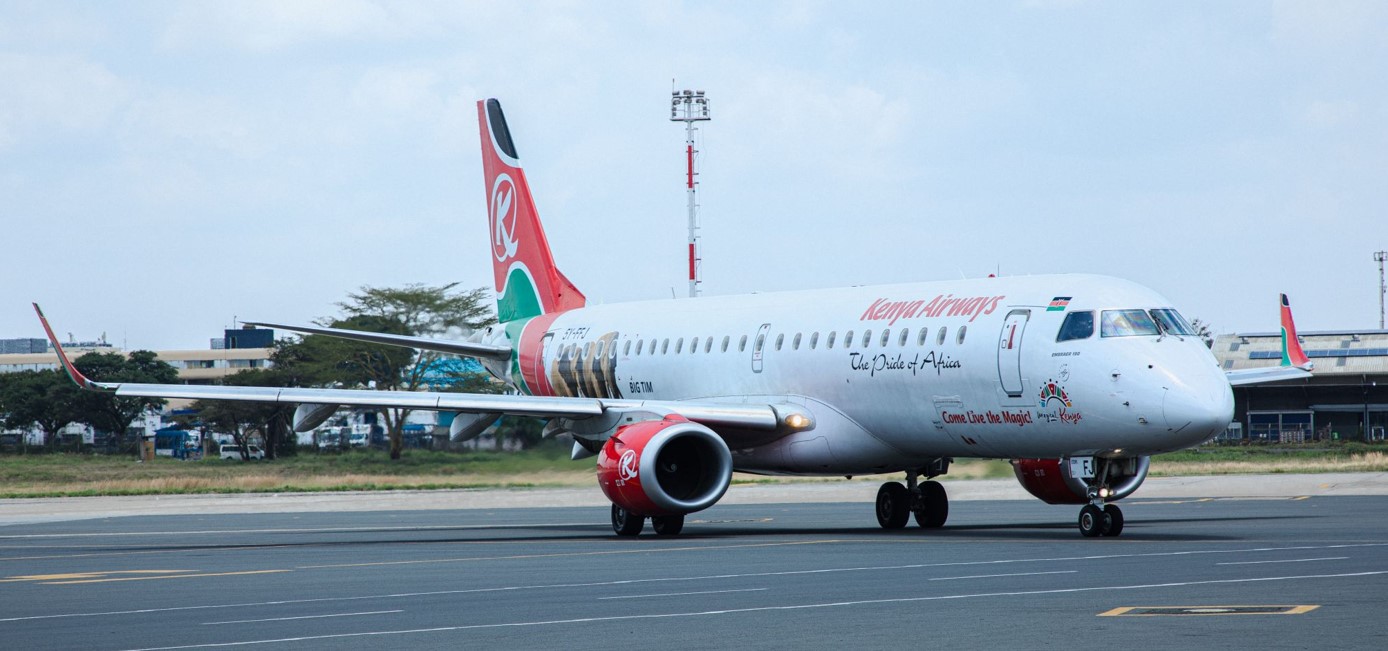
Kenya Airways has reported operational challenges impacting flights to and from Mumbai, India. The airline attributes these issues to airspace restrictions due to an ongoing regional conflict and adverse weather conditions. This announcement highlights the complex interplay between geopolitical events, weather patterns, and aviation operations, underscoring the vulnerabilities within the global travel industry. The article also references broader travel trends and insights from industry thought leaders, providing a comprehensive view of the current challenges and considerations for the travel sector.
Key Points:
- Kenya Airways has announced operational challenges affecting flights to and from Mumbai, India.
- The challenges are attributed to airspace restrictions linked to an ongoing regional conflict.
- Adverse weather conditions are also cited as contributing factors to the operational issues.
- The article references recent travel trends and insights from industry thought leaders.
Actionable Takeaways:
-
Operational Resilience: Airlines must enhance operational resilience by developing contingency plans for airspace restrictions and adverse weather conditions. This includes flexible scheduling, real-time communication with passengers, and partnerships with alternative airports or airlines to mitigate disruptions.
-
Geopolitical Risk Assessment: Travel companies should invest in geopolitical risk assessment tools to anticipate and mitigate the impacts of regional conflicts on travel routes. This proactive approach can help in adjusting itineraries and informing passengers about potential delays or cancellations.
-
Investment in Technology: The integration of advanced weather forecasting technologies and airspace management systems can improve operational efficiency. Investing in these technologies can provide airlines with the data needed to make informed decisions and enhance passenger safety and satisfaction.
Contextual Insights:
The operational challenges faced by Kenya Airways are reflective of the broader vulnerabilities within the travel industry, particularly in regions affected by geopolitical tensions and extreme weather events. These challenges highlight the need for the industry to adopt more resilient and adaptable strategies. The integration of real-time data analytics and predictive modeling can offer insights into emerging trends, such as the increasing importance of sustainable travel practices and the role of technology in enhancing travel experiences. As the industry evolves, thought leaders emphasize the importance of innovation and collaboration to navigate these challenges effectively.
Handling Different Article Types:
The article in question is a news blurb, providing factual information about operational challenges faced by Kenya Airways. The structured output format ensures that the summary, key points, actionable takeaways, and contextual insights are presented in a clear and professional manner, suitable for a professional audience. This format allows for easy integration into reports, presentations, or other professional materials, facilitating informed decision-making and strategic planning within the travel industry.
Read the Complete Article.



