












Article Summary:
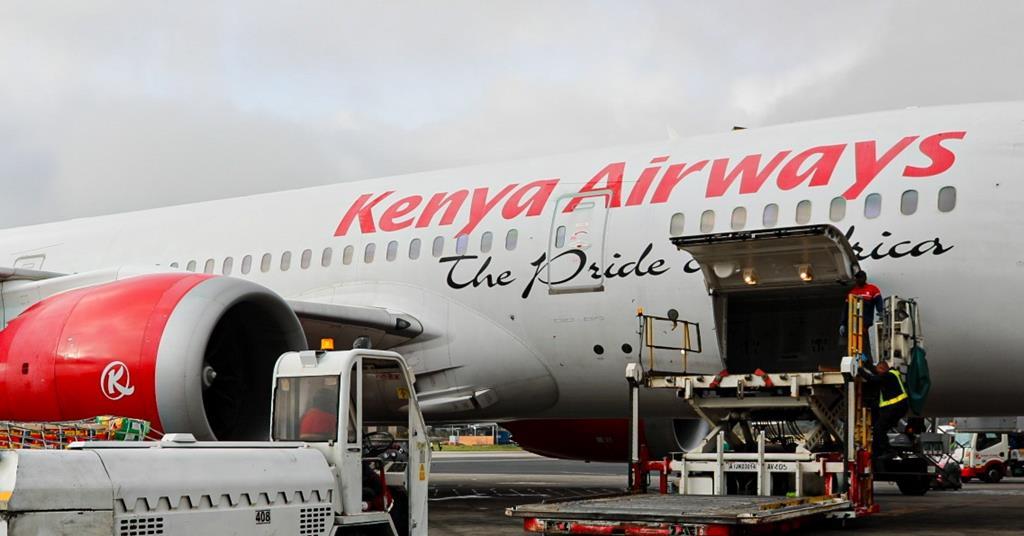
Kenya Airways is advancing its plans to incorporate widebody freighters into its operations, aiming to increase its cargo revenue contribution from 10% to 20% this year. The airline’s cargo director, Fitsum Abadi Gebrehawaria, discussed these plans with FlightGlobal’s sister publication, Air Cargo News. The strategy includes the near-term introduction of Boeing 767 freighters, with a longer-term goal of operating larger 777Fs. This move is a key component of Kenya Airways’ cargo-first strategy, reflecting a broader industry trend towards optimizing cargo operations to drive revenue growth.
Key Points:
- Kenya Airways plans to add widebody freighters to boost its cargo revenue contribution from 10% to 20% this year.
- The airline’s cargo director, Fitsum Abadi Gebrehawaria, outlined these plans in an interview with Air Cargo News.
- The strategy includes the introduction of Boeing 767 freighters in the near term, with ambitions to operate larger 777Fs in the longer term.
- This initiative is a central pillar of Kenya Airways’ cargo-first strategy, aiming to drive revenue growth through optimized cargo operations.
Actionable Takeaways:
- Increase Cargo Revenue: Kenya Airways’ focus on expanding its freighter fleet is a strategic move to increase its cargo revenue contribution. This aligns with industry trends where airlines are optimizing their operations to drive revenue growth. By increasing the cargo capacity, Kenya Airways can potentially attract more cargo clients, thereby enhancing its revenue streams.
- Investment in Modern Freighters: The plan to introduce Boeing 767 freighters and later 777Fs indicates a commitment to modernizing Kenya Airways’ fleet. This investment in newer, more efficient aircraft can lead to cost savings in fuel consumption and operational efficiency, which are crucial in the highly competitive airline industry. This move also reflects the airline’s ambition to stay competitive and meet the growing demand for cargo services.
Contextual Insights:
The article reflects the ongoing trend in the travel industry towards optimizing cargo operations to drive revenue growth. As airlines seek to diversify their income streams beyond passenger services, the focus on cargo-first strategies becomes increasingly relevant. This aligns with broader industry insights that highlight the importance of cargo operations in the financial health of airlines. Furthermore, the emphasis on modernizing the fleet with newer, more efficient aircraft underscores the industry’s shift towards sustainability and operational efficiency. Kenya Airways’ strategy not only positions the airline to meet its revenue targets but also sets a precedent for other airlines to consider similar investments in their cargo operations. This forward-looking perspective is crucial for understanding the evolving dynamics of the travel industry, where innovation and strategic planning are key to sustained growth.
Read the Complete Article.


