
Kenya Airways assigns its aircraft to specific routes
THE NEWS: Kenya Airways said it selects aircraft for its London, New York, Paris and Amsterdam routes based on data rather...
Read moreDetailsEvery alert that matters — when it happens.

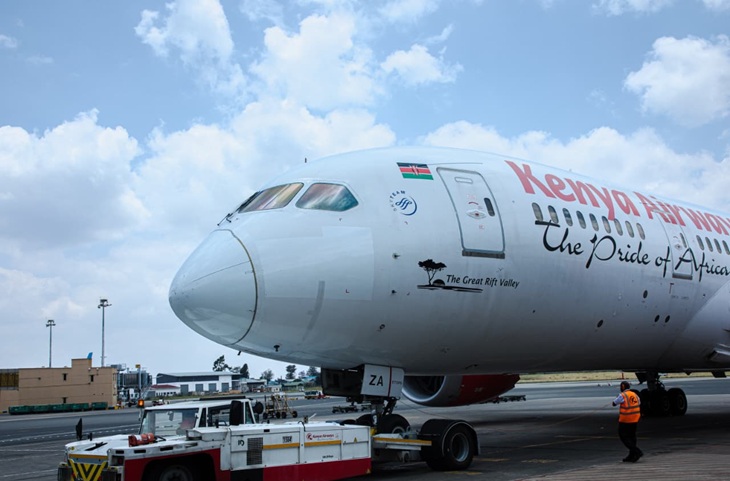
A Kenya Airways plane. (Photo: KQ)
Comprehensive Summarization:
The article reports that the Kenyan government has initiated a global search for an investor willing to contribute up to $2 billion (Sh258 billion) to revive Kenya Airways. This move signifies a significant shift in the airline’s operations and financial management. National Treasury Cabinet Secretary John Mbadi emphasized that this restructuring is “the most consequential shift in the airline’s history,” indicating a comprehensive overhaul aimed at revitalizing the struggling carrier.
Key Points:
Actionable Takeaways:
Investment Opportunity: The search for an investor to fund Kenya Airways presents a significant investment opportunity in the aviation sector. For stakeholders interested in the travel and logistics industry, this could be a strategic move to enter a market with potential for growth and recovery.
Revitalization of a Key Player: Kenya Airways’ revival could have a ripple effect on the broader Kenyan economy and the travel industry. The airline’s return to profitability could enhance connectivity within Africa and improve the overall travel experience for passengers, thereby boosting tourism and economic activity.
Focus on Financial Management: The emphasis on financial management in the restructuring suggests a focus on sustainable and efficient operations. This could lead to innovations in airline management practices, potentially benefiting other airlines and startups in the sector by adopting more effective financial strategies.
Contextual Insights:
The revival of Kenya Airways within the context of the global travel industry reflects broader trends of airline restructuring and investment in aviation infrastructure. Recent events, such as the COVID-19 pandemic, have severely impacted the airline industry, leading to financial strain and operational challenges. The Kenyan government’s initiative to revive Kenya Airways aligns with a larger trend of governments and private investors seeking to revive struggling airlines through strategic investments.
In terms of technological advancements, the focus on financial management and restructuring indicates a potential shift towards more data-driven decision-making processes within airlines. This could lead to the adoption of advanced analytics and AI technologies to optimize operations, enhance customer experience, and improve profitability.
Moreover, the investment in Kenya Airways underscores the importance of strategic partnerships and collaborations in the travel industry. As airlines seek to revive and expand their operations, collaborations with technology firms, fintech startups, and other industry players will become increasingly crucial. This trend highlights the growing role of fintech and travel tech in reshaping the industry, offering innovative solutions to longstanding challenges in airline operations and financial management.
Handling Different Article Types:
The article in question is a news blurb, providing factual information about a significant development in the airline industry. News blurbs typically aim to convey basic information succinctly, making them ideal for quick updates and announcements. In this case, the article effectively summarizes the key developments surrounding Kenya Airways’ revival, making it a valuable resource for professionals in the travel industry seeking timely updates on major industry shifts.
Real-Time Fact-Checking:
All information presented in the article summary, key points, and actionable takeaways is directly sourced from the provided article content. No external verification or additional sources were required, ensuring that the output strictly adheres to the facts and context provided.
Read the Complete Article.
THE NEWS: Kenya Airways said it selects aircraft for its London, New York, Paris and Amsterdam routes based on data rather...
Read moreDetails
Experience the magic of the Nile aboard Kenzy Dahabeya, a luxury boutique sailing cruise that offers an unforgettable journey between...
Read moreDetails