












Comprehensive Summarization:
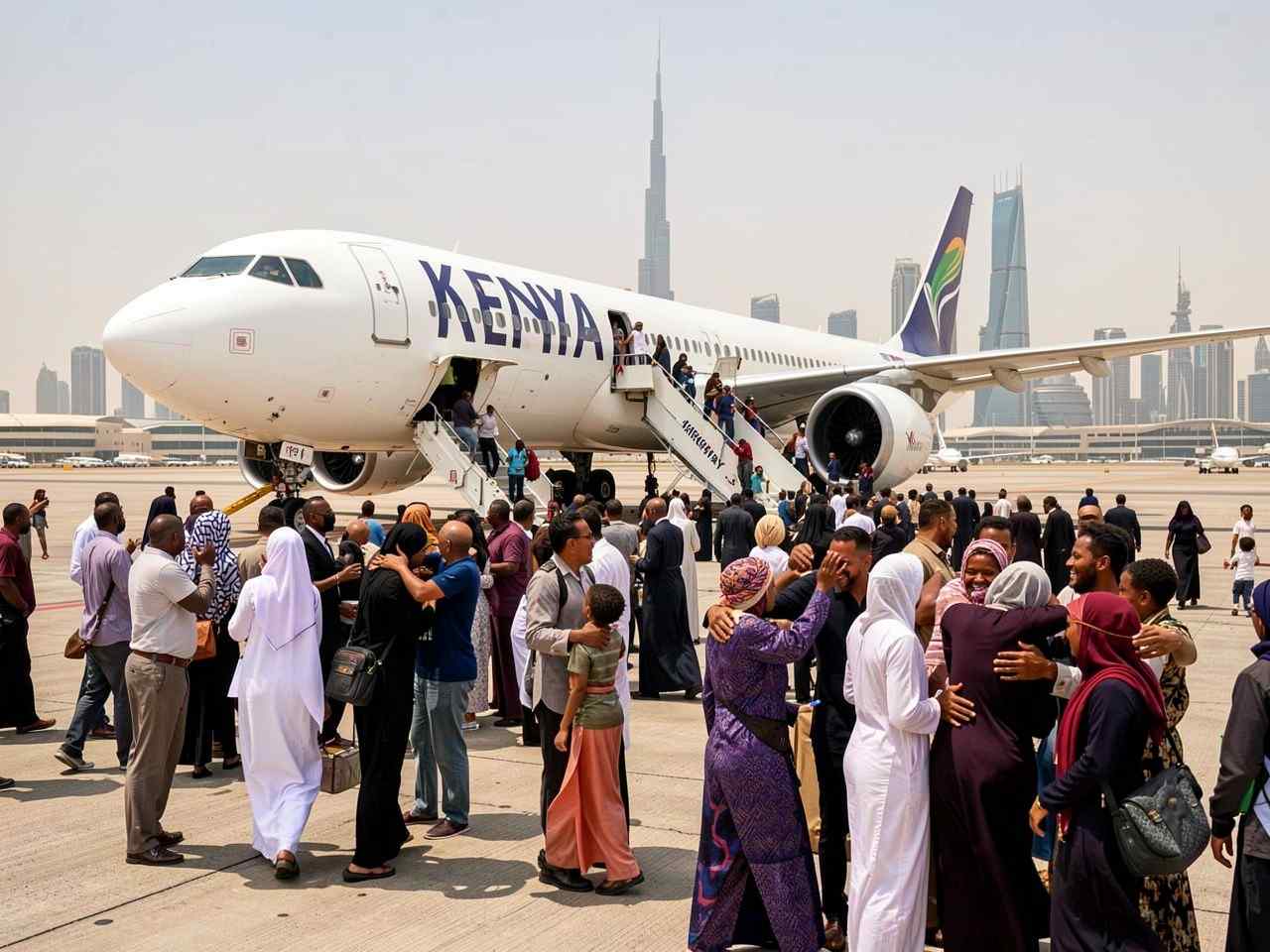
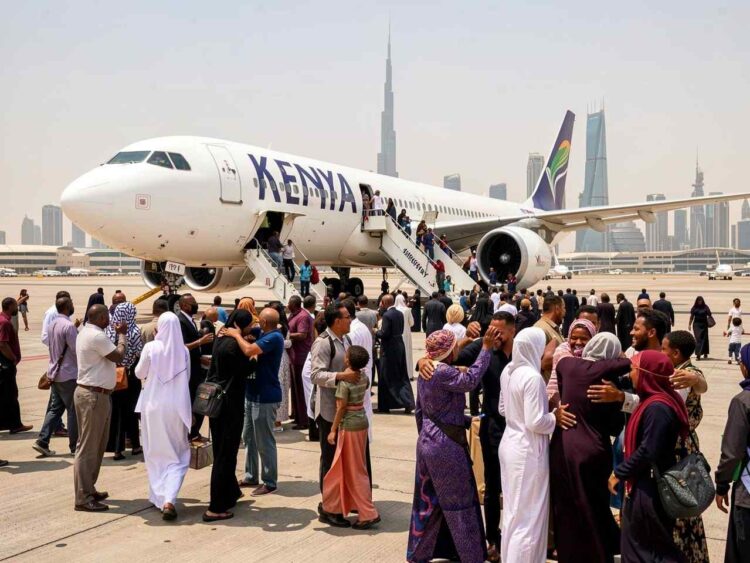
Kenya Airways has successfully repatriated stranded passengers from Dubai amidst the escalating conflict in the Middle East. This operation highlights the airline’s critical role in managing the disruptions caused by the conflict, which have significantly impacted air travel and Dubai’s tourism industry. The article underscores the airline’s efforts in navigating the challenges posed by the geopolitical situation, emphasizing its commitment to passenger safety and operational resilience in the face of adversity.
Key Points:
- Kenya Airways successfully repatriated stranded passengers from Dubai, demonstrating effective crisis management in the context of the Middle East conflict.
- The conflict has disrupted air travel and significantly affected Dubai’s tourism industry, highlighting the broader implications of geopolitical tensions on the travel sector.
- The repatriation flight underscores Kenya Airways’ role in mitigating the impact of the conflict on passenger safety and travel operations.
Actionable Takeaways:
-
Enhanced Crisis Management Strategies: Airlines should develop and refine crisis management protocols to swiftly respond to geopolitical disruptions. This includes pre-emptive communication with passengers, real-time updates on flight status, and leveraging partnerships with other carriers to ensure continuity of service. This takeaway is crucial for maintaining passenger trust and operational efficiency during crises.
-
Leveraging Partnerships for Resilience: The success of Kenya Airways in repatriating passengers highlights the importance of strategic partnerships within the aviation industry. Collaborating with other airlines and ground service providers can enhance operational resilience, enabling airlines to share resources and support during crises. This approach can mitigate the impact of disruptions and ensure smoother recovery processes.
Contextual Insights:
The repatriation of stranded passengers by Kenya Airways is a testament to the airline’s operational agility and commitment to passenger safety in the face of geopolitical challenges. This incident reflects broader trends in the travel industry, where geopolitical tensions can have far-reaching effects on air travel and tourism. As the industry continues to evolve, the ability to adapt to such disruptions will be critical. Furthermore, the role of technology in facilitating real-time communication and operational adjustments cannot be overstated. Innovations in travel tech, such as advanced tracking systems and AI-driven customer support, will be essential for airlines to navigate future crises effectively. The article also points to the growing importance of partnerships and collaborations within the industry, suggesting that a collective approach to crisis management can enhance resilience and ensure continuity of service.
Read the Complete Article.



