












Comprehensive Summarization:
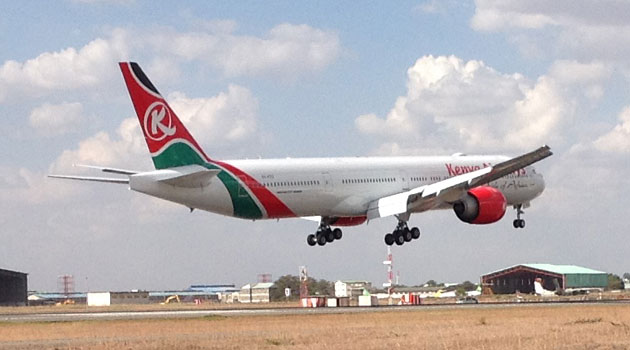
Kenya Airways is currently facing significant challenges due to rising jet fuel costs and supply uncertainties. The airline’s current fuel reserves are estimated at about 50 days, as global disruptions strain oil supply chains. The issue is not just about availability but also the surge in prices, which are putting pressure on the airline’s margins. Despite this, Kenya Airways is struggling to pass these costs onto passengers. Jet fuel prices in Africa have climbed to approximately $211 per barrel, a significant increase year-on-year, which is forcing the airline to navigate these challenges carefully.
Key Points:
- Kenya Airways is grappling with rising jet fuel costs and supply uncertainties.
- The airline currently has about 50 days of fuel reserves.
- Global disruptions are straining oil supply chains, affecting fuel availability.
- Jet fuel prices in Africa have increased to about $211 per barrel, up significantly year-on-year.
- The airline is finding it difficult to pass these increased costs onto passengers due to margin constraints.
Actionable Takeaways:
- Fuel Cost Management: Kenya Airways needs to explore alternative strategies for managing fuel costs, such as hedging strategies or partnerships with fuel suppliers, to mitigate the impact of rising prices on their margins.
- Passenger Cost Pass-Through: While challenging, the airline may need to carefully consider how to pass increased costs onto passengers without significantly impacting demand, possibly through targeted pricing strategies or value-added services.
- Supply Chain Diversification: To reduce dependency on volatile oil markets, Kenya Airways could explore diversifying its fuel supply sources or investing in sustainable aviation fuels to ensure a more stable fuel supply.
Contextual Insights:
The current challenges faced by Kenya Airways are reflective of broader trends in the travel industry, where fuel cost volatility is a significant concern. The surge in jet fuel prices is a direct result of global supply chain disruptions and increased demand, which are also affecting other sectors of the travel industry. This situation underscores the importance of strategic financial planning and risk management in the aviation sector. Furthermore, the focus on sustainable aviation fuels presents an opportunity for airlines to not only mitigate fuel cost risks but also align with global sustainability goals, potentially opening new avenues for innovation and market differentiation.
Handling Different Article Types:
Given that the article is a news brief, the analysis focuses on factual information and actionable insights directly derived from the content. There are no opinion pieces or feature articles to analyze in this context. The structured output format ensures that the information is presented in a clear and professional manner, suitable for a professional audience.
Read the Complete Article.



