












Comprehensive Summarization:
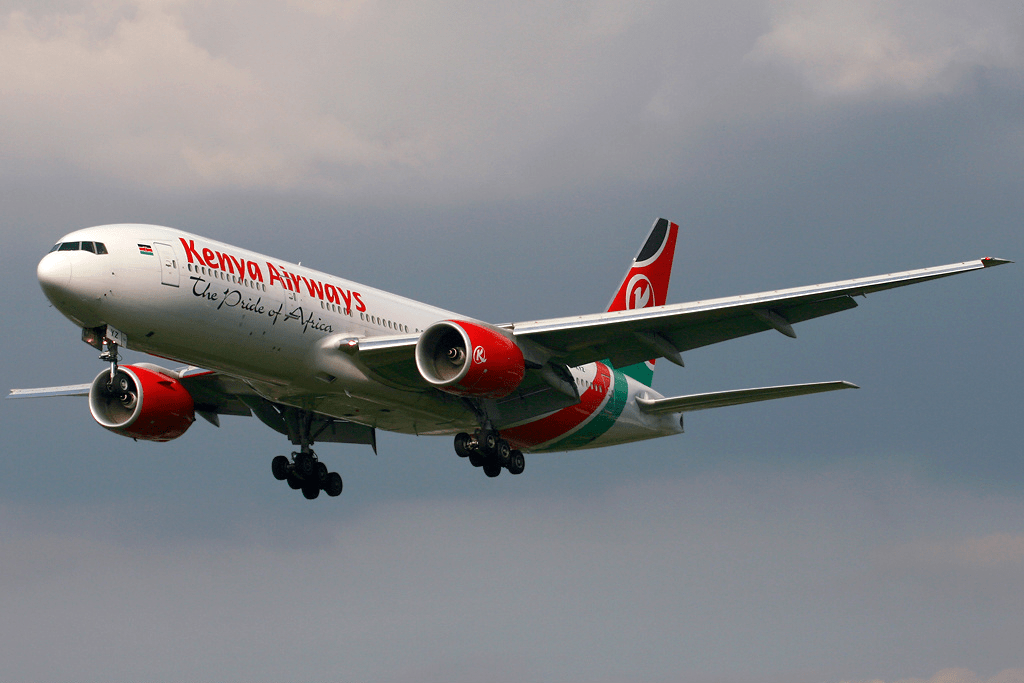
Kenya Airways has canceled two long-haul flights between Nairobi and New York due to severe winter weather disrupting airport operations and airline schedules in the United States. This decision was announced in a customer update on January 24, 2026. The cancellations include Flight KQ 002 from Jomo Kenyatta International Airport (NBO) to John F. Kennedy International Airport (JFK) on the same day. The return flight was also canceled. This event highlights the significant impact of weather conditions on airline operations and customer travel plans, especially during winter seasons.
Key Points:
- Kenya Airways canceled two long-haul flights between Nairobi and New York due to severe winter weather affecting U.S. airport operations.
- The canceled flights were KQ 002 from Nairobi’s Jomo Kenyatta International Airport (NBO) to New York’s JFK, and its return flight.
- The cancellations were announced in a customer update on January 24, 2026, emphasizing the airline’s response to disrupted schedules and airport conditions.
Actionable Takeaways:
-
Flexible Travel Planning: Airlines should implement more flexible booking policies and customer communication strategies to manage disruptions caused by severe weather. This can help mitigate the impact on travelers and maintain customer satisfaction during adverse conditions.
-
Investment in Weather-Resilient Operations: Airlines can invest in advanced weather forecasting technologies and contingency planning to better handle disruptions caused by severe weather. This proactive approach can enhance operational resilience and improve customer trust.
Contextual Insights:
The cancellation of flights by Kenya Airways underscores the vulnerability of the travel industry to severe weather events, particularly during winter months. This incident highlights the importance of robust contingency planning and real-time communication in managing travel disruptions. As the travel industry continues to evolve, integrating advanced technologies for weather prediction and operational flexibility will be crucial. Moreover, the incident serves as a reminder for airlines to continuously innovate in customer service and operational resilience, ensuring they can adapt swiftly to unforeseen challenges. The current trends emphasize the need for startups and fintech solutions to support airlines in managing such disruptions efficiently, potentially through enhanced booking flexibility and real-time travel assistance services.
Read the Complete Article.



