













Comprehensive Summarization:
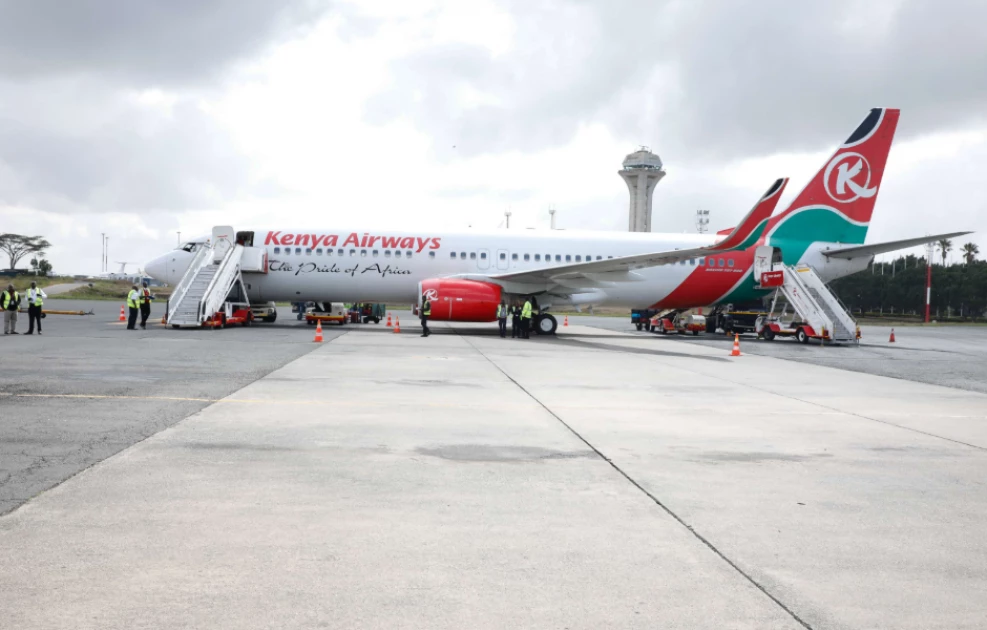
The article highlights a significant initiative by the UN Migration Agency in collaboration with Kenya Airways, where staff are trained to identify human trafficking victims. Over the past year, this program has successfully identified 100 victims. Sharif Faisal, Head of Programmes and Policy Development at IOM Kenya, emphasizes that this initiative will be expanded to include staff from other airlines, indicating a broader commitment to combating human trafficking within the travel industry. The article also touches on the latest travel trends and insights from thought leaders, underscoring the industry’s growing focus on safety and ethical practices.
Key Points:
- The UN Migration Agency, in partnership with Kenya Airways, has trained staff to identify human trafficking victims, leading to the identification of 100 victims in the past year.
- Sharif Faisal, Head of Programmes and Policy Development at IOM Kenya, announced plans to expand this initiative to include staff from other airlines.
- The article underscores the travel industry’s increasing focus on safety and ethical practices, with a notable emphasis on combating human trafficking.
Actionable Takeaways:
-
Enhanced Staff Training Programs: Airlines should invest in comprehensive training programs for their staff to identify signs of human trafficking. This initiative not only aids in the prevention of human trafficking but also enhances the overall safety and reputation of the airline. Given the success of Kenya Airways’ program, other airlines can adopt similar training modules to bolster their safety protocols.
-
Industry-Wide Collaboration: The expansion of this program to include staff from other airlines suggests a growing industry-wide commitment to combating human trafficking. Airlines should collaborate more closely with international organizations like the UN Migration Agency to share best practices and resources. This collaboration can lead to more effective detection and prevention strategies, ultimately benefiting the entire travel sector.
Contextual Insights:
The initiative by Kenya Airways and the UN Migration Agency reflects a broader industry trend towards integrating safety and ethical considerations into travel operations. As global travel continues to recover from the pandemic, there is an increasing emphasis on ensuring the safety of all passengers, including vulnerable groups such as potential trafficking victims. This move aligns with the industry’s push towards sustainability and social responsibility. Furthermore, the expansion of this program to other airlines indicates a shift towards a more unified approach to addressing human trafficking across the travel sector. As technology continues to evolve, we can expect further innovations in detection and prevention methods, potentially leveraging AI and machine learning to identify suspicious activities more efficiently.
Handling Different Article Types:
The article in question is a news brief, providing factual information about a specific initiative within the travel industry. The structured output format ensures that the key points and actionable takeaways are clearly delineated, making it easy for readers to digest and apply the information. For opinion pieces or feature articles, the approach would involve a deeper analysis of the presented viewpoints and their implications for the industry, incorporating expert opinions and forward-looking insights.
Read the Complete Article.


