












Comprehensive Summarization:
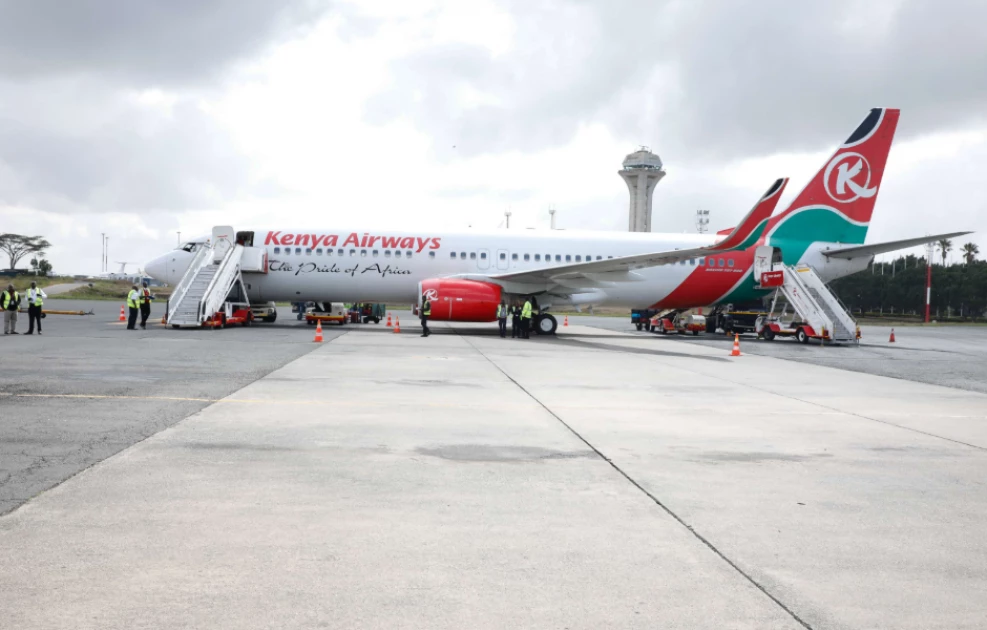
The article highlights a significant initiative by the UN Migration Agency, in collaboration with Kenya Airways, to train staff in identifying human trafficking victims. Over the past year, this program has successfully identified 100 victims. Sharif Faisal, Head of Programmes and Policy Development at IOM Kenya, emphasizes the program’s potential expansion to include staff from other airlines. This initiative underscores the growing intersection of travel and technology in combating human trafficking, showcasing a proactive approach by the travel industry to address social issues.
Key Points:
- The UN Migration Agency, in partnership with Kenya Airways, has implemented a program to train staff in identifying human trafficking victims.
- Over the past year, the program has successfully identified 100 victims of human trafficking.
- Sharif Faisal, Head of Programmes and Policy Development at IOM Kenya, indicates plans to expand the initiative to include staff from other airlines.
- The initiative represents a proactive approach by the travel industry to combat human trafficking, integrating social responsibility with travel operations.
Actionable Takeaways:
-
Enhanced Staff Training Programs: Airlines should invest in comprehensive training programs for their staff to identify signs of human trafficking. This initiative not only aids in combating human trafficking but also enhances the safety and security of passengers, aligning with broader industry trends towards responsible travel practices.
-
Expansion of Anti-Human Trafficking Initiatives: The successful implementation of this program in Kenya suggests a scalable model that other airlines could adopt. Expanding such initiatives to other airlines could significantly increase the number of victims identified, thereby contributing to global efforts against human trafficking.
Contextual Insights:
The article reflects a broader trend within the travel industry towards integrating social responsibility with operational activities. As the travel sector becomes increasingly scrutinized for its role in societal issues, initiatives like the one described in the article are becoming more common. This shift is driven by both regulatory pressures and the growing expectation of travelers and stakeholders for companies to contribute positively to society. The integration of anti-human trafficking measures into airline operations not only addresses a critical social issue but also enhances the brand image of airlines, potentially attracting a more conscientious customer base. Furthermore, as technology continues to evolve, such programs could leverage advanced tools and data analytics to improve detection capabilities, setting a precedent for other sectors within the travel industry to follow.
Read the Complete Article.


