












Comprehensive Summarization:
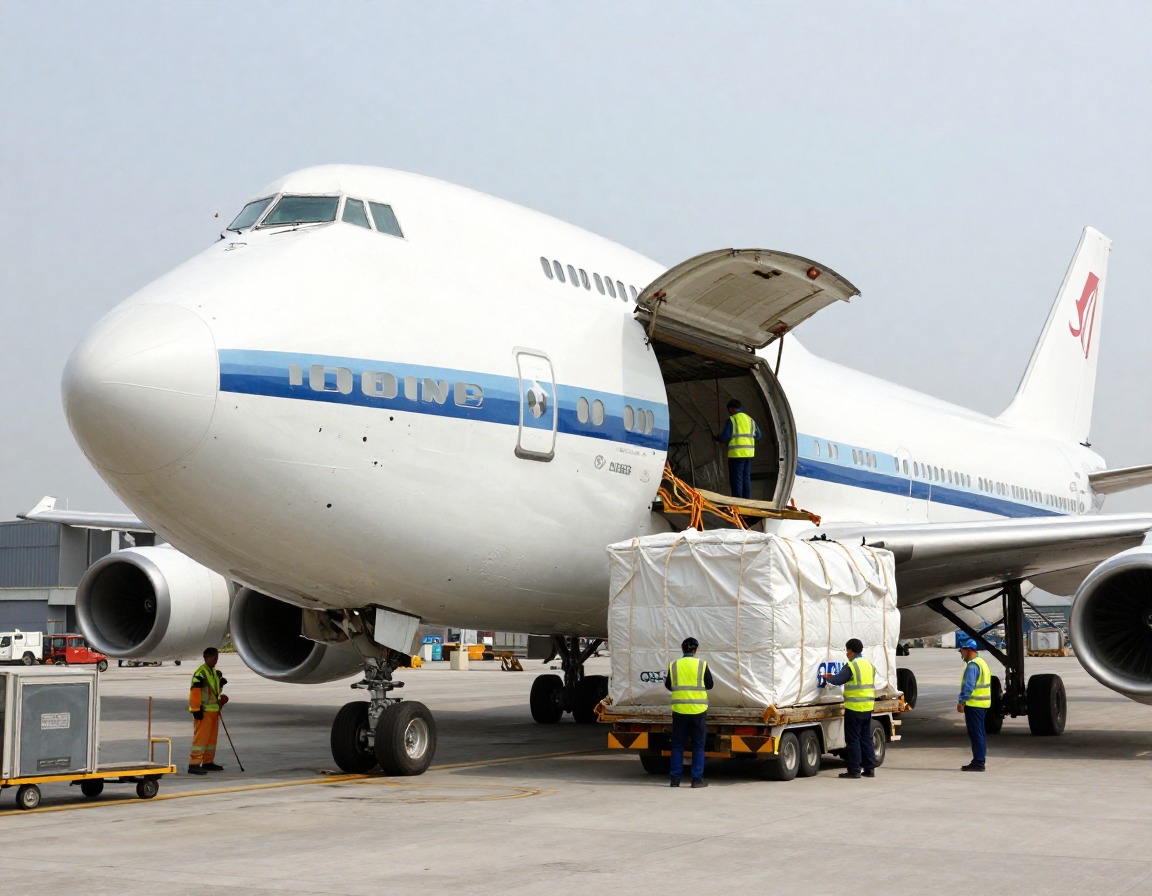
Atlas Air, along with Air China, Lufthansa, Cargolux, Korean Air, and Emirates, has joined forces to operate Boeing 747 freighters. This collaboration underscores the enduring relevance of the iconic nose door design in air freight operations, which is expected to continue boosting global tourism. The Boeing 747, a symbol of aviation history, may have seen the last of its production lines, yet its role in air freight remains pivotal. The article highlights the significance of this development in the context of current travel trends and insights from industry thought leaders, emphasizing the continued importance of the 747 freighters in the global logistics and tourism sectors.
Key Points:
- Atlas Air, Air China, Lufthansa, Cargolux, Korean Air, and Emirates have formed a consortium to operate Boeing 747 freighters.
- The Boeing 747, despite being the last of its production line, continues to play a crucial role in air freight due to its iconic nose door design.
- This collaboration is expected to bolster global tourism by enhancing air freight capabilities.
- The article integrates recent travel trends and insights from industry experts, providing a forward-looking perspective on the role of the 747 freighters in the travel industry.
Actionable Takeaways:
-
Enhanced Air Freight Capabilities: The collaboration among major airlines to operate Boeing 747 freighters will likely lead to improved air freight services, benefiting global tourism by ensuring more efficient and reliable cargo transport. This development is crucial for the logistics sector, as it directly impacts the supply chain of travel-related goods and services.
-
Sustainability and Innovation: While the article does not explicitly mention sustainability, the continued use of the Boeing 747 freighters can be seen as a testament to the aircraft’s efficiency and reliability. This could inspire further innovations
Read the Complete Article.


