












Comprehensive Summarization:
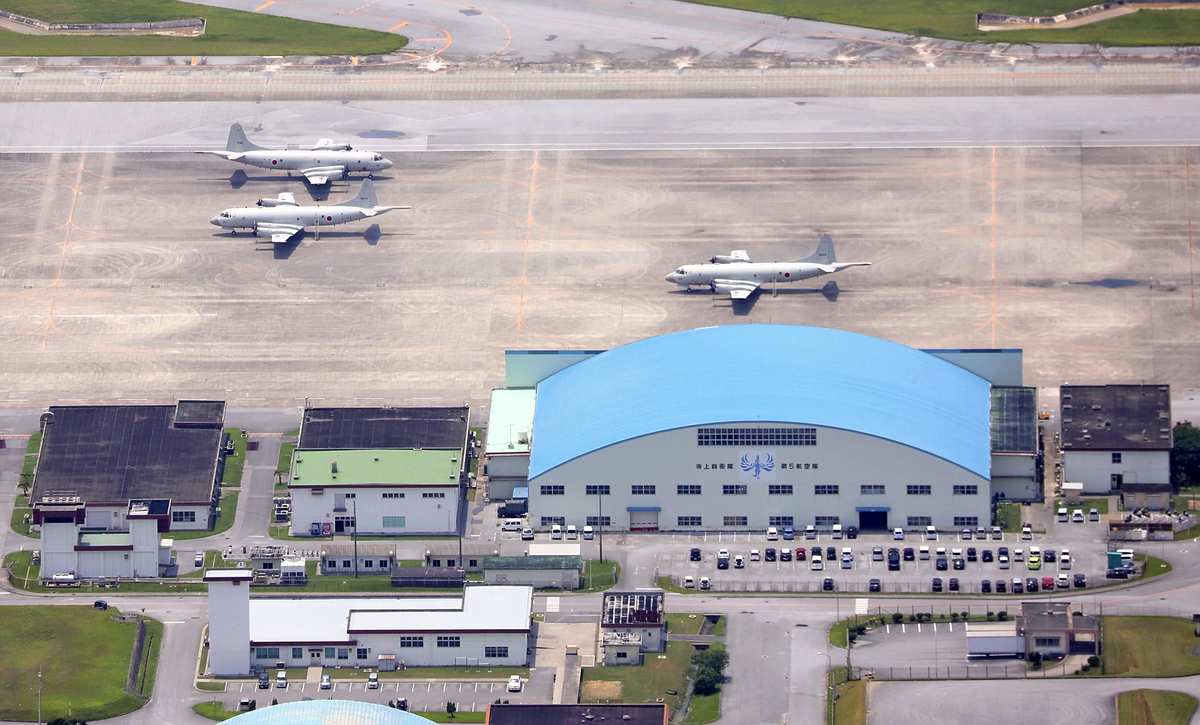
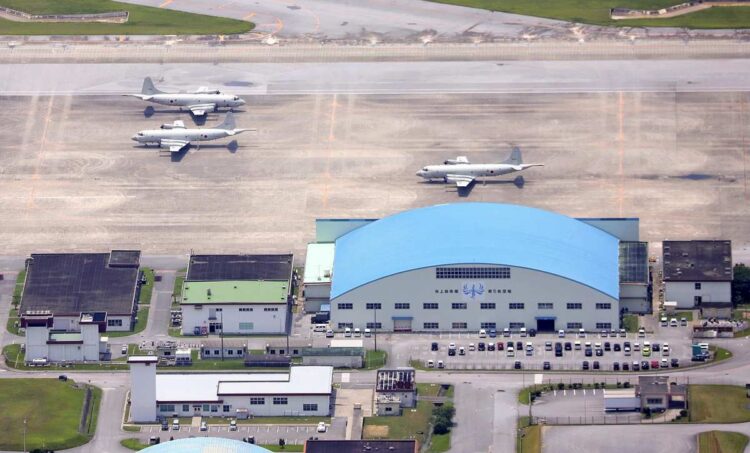
The Yomiuri Shimbun reports that the Japanese and South Korean governments have initiated an arrangement allowing South Korean Air Force aerobatic performance team planes to be refueled at the Air Self-Defense Force’s Naha Base in Okinawa Prefecture. This refueling assistance is based on a mutual agreement aimed at enhancing cooperation between the two nations’ air forces. The article highlights the strategic importance of this arrangement, particularly in the context of regional security and military collaboration.
Key Points:
- The Japanese and South Korean governments have established a refueling agreement for South Korean Air Force aerobatic team planes at the Naha Base in Okinawa.
- This arrangement is part of broader military cooperation between Japan and South Korea, reflecting regional security dynamics.
- The refueling assistance is expected to facilitate joint military exercises and enhance interoperability between the two air forces.
Actionable Takeaways:
-
Enhanced Military Cooperation: The refueling agreement signifies a step towards deeper military collaboration between Japan and South Korea. This could lead to more frequent joint exercises and improved operational readiness, which is crucial for regional security. For stakeholders in the defense sector, this development may indicate increased investment opportunities in military logistics and refueling technologies.
-
Strategic Geopolitical Implications: The agreement highlights the strategic importance of Okinawa as a key military base in the Asia-Pacific region. For companies involved in travel and logistics, this could mean increased demand for services supporting military operations, such as transportation and accommodation services near military bases.
Contextual Insights:
The establishment of this refueling agreement is reflective of the broader trend of regional military alliances and security partnerships in the Asia-Pacific. As geopolitical tensions continue to evolve, countries are increasingly looking to strengthen bilateral ties to ensure stability. From a travel industry perspective, this development underscores the growing importance of military logistics infrastructure. Companies specializing in travel services for military personnel, such as logistics providers and hospitality providers near military bases, may see increased demand. Additionally, the article aligns with current trends in travel tech, where innovations in logistics and supply chain management are becoming increasingly critical for supporting large-scale military operations. Thought leaders in the travel industry should consider how their services can adapt to meet the evolving needs of military travel, potentially leveraging technology to streamline operations and enhance efficiency.
Read the Complete Article.


