












Comprehensive Summarization:
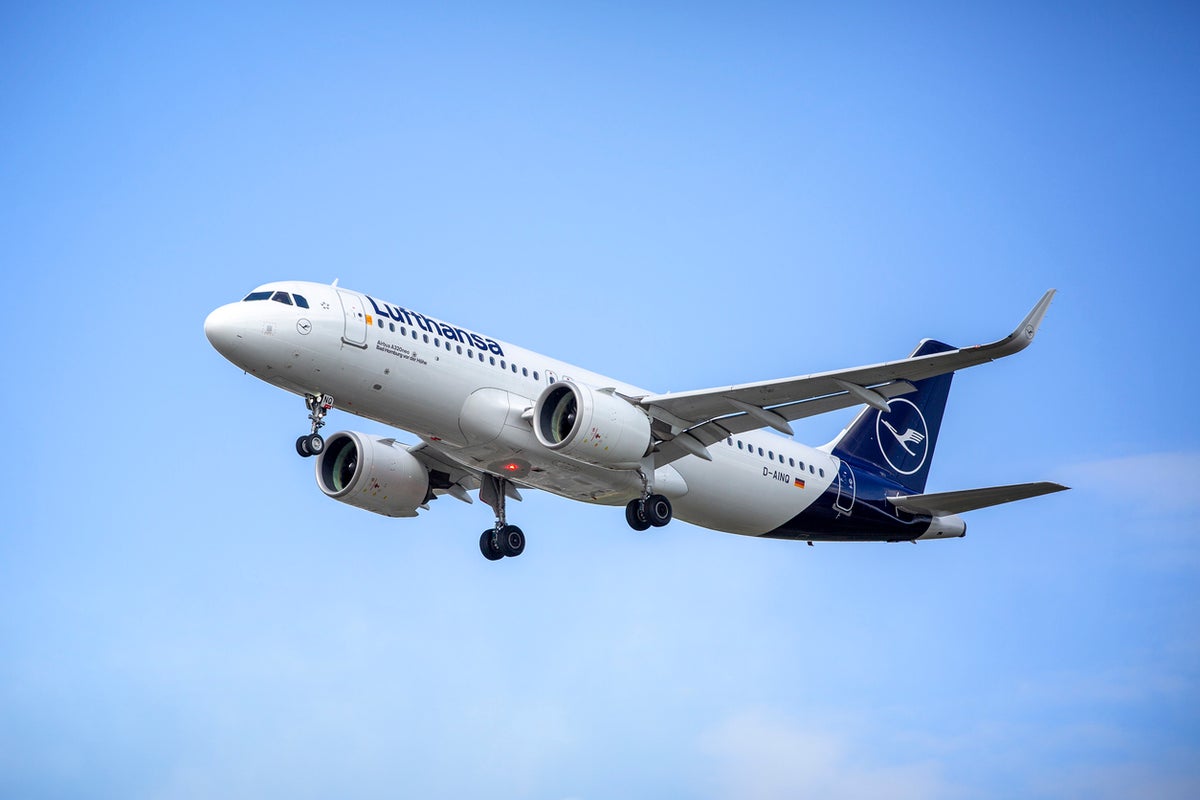
The article discusses the impact of a surge in jet fuel prices, driven by the U.S.-Israeli conflict with Iran, on major airlines United Airlines and Lufthansa. These airlines are considering raising air fares by up to 10% and potentially scrapping flights due to the increased operational costs. The situation highlights the vulnerability of the aviation industry to geopolitical tensions and fuel price fluctuations, which can significantly affect travel costs and operational strategies.
Key Points:
- Jet fuel prices have surged due to geopolitical tensions, particularly the U.S.-Israeli conflict with Iran.
- United Airlines and Lufthansa are evaluating the need to raise air fares by up to 10% to offset increased operational costs.
- The article underscores the vulnerability of airlines to external factors such as geopolitical conflicts and fuel price volatility.
Actionable Takeaways:
-
Fare Adjustment Strategy: Airlines should develop flexible fare adjustment strategies that can quickly respond to fuel price fluctuations. This includes maintaining a buffer in pricing models to absorb cost increases without abrupt fare hikes, which could deter customers.
-
Diversification of Routes and Partnerships: Airlines should explore diversifying their route networks and forming strategic partnerships with other carriers to mitigate the impact of rising fuel costs. This could involve code-sharing agreements or joint ventures that allow airlines to share resources and costs more effectively.
-
Investment in Sustainable Aviation Fuels (SAF): Investing in Sustainable Aviation Fuels could provide airlines with a long-term cost-saving solution. SAF is more environmentally friendly and, as it becomes more widely available and cost-competitive, could help airlines reduce their reliance on volatile jet fuel prices.
Contextual Insights:
The article reflects the current state of the travel industry, where external geopolitical events and fuel price volatility pose significant challenges to airlines. The situation with United Airlines and Lufthansa is indicative of a broader trend where airlines are increasingly exposed to risks beyond their control. This context highlights the need for the industry to innovate and adapt quickly to maintain profitability and customer satisfaction. The focus on Sustainable Aviation Fuels aligns with the growing emphasis on sustainability within the travel sector, suggesting that airlines that invest in green technologies may gain a competitive edge in the long run. Additionally, the article underscores the importance of strategic partnerships and flexible pricing models as airlines navigate the complexities of modern air travel.
Read the Complete Article.


